
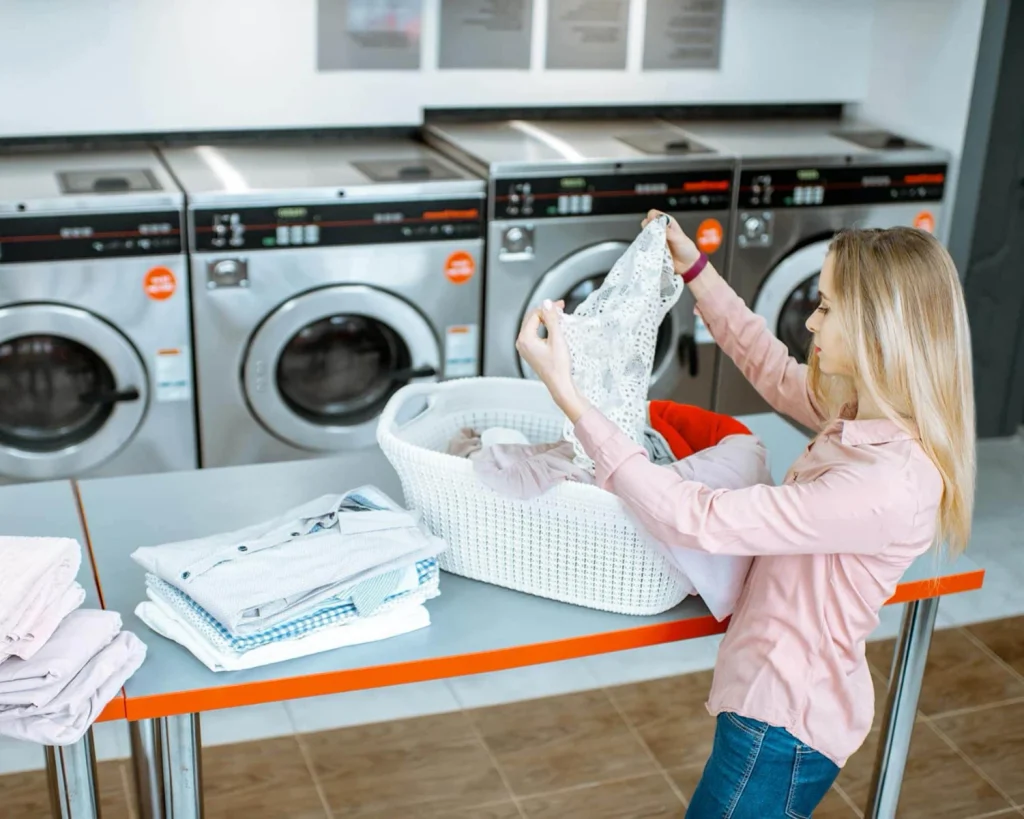
Choosing the right laundry equipment for multifamily student housing starts with understanding how students actually use a shared laundry room. Unlike a conventional apartment community, student housing often combines periods of concentrated demand, frequent move-ins and move-outs, bulky bedding, first-time laundry users, and a need for convenient payment options.
For property managers and owners, the goal is not simply to install enough washers and dryers. Instead, the better approach is to create a dependable laundry setup that matches resident volume, available space, utility capacity, service needs, and the way students prefer to manage everyday tasks.
The best laundry equipment for multifamily student housing can handle repeated use, minimize bottlenecks, fit the available laundry room, and remain easy for residents to operate. Therefore, equipment selection should begin with the property itself rather than with a specific washer or dryer model.
A 120-bed student apartment community has different needs from a 600-bed property spread across several buildings. Likewise, a property with in-unit machines needs a different plan from one that depends on centralized shared laundry rooms.
Before comparing equipment, property teams should review resident count, room layout, expected usage patterns, utility connections, payment preferences, and service access. This gives the equipment decision a practical foundation and helps prevent both under-sizing and unnecessary capacity.
Machine count matters, but resident demand matters more. A useful equipment plan considers how many residents share each laundry area and how many machines can realistically operate during peak periods.
Student housing can create especially concentrated demand. Student schedules and weekend routines can result in heavier laundry use at certain times. As a result, a laundry room that seems adequate during a quieter period may feel much different when more residents need the machines at once.
Property teams should also consider where residents live within the property. For example, one large centralized room may create more walking and waiting than several strategically placed laundry areas. Conversely, multiple small rooms can require additional equipment, utility planning, and service access.
There is no single washer-to-resident ratio that fits every property. Instead, the correct number depends on occupancy, machine capacity, building layout, cycle times, and actual resident behavior.
Peak demand is one of the most important considerations in student housing laundry equipment planning. Residents rarely distribute their laundry evenly across every hour of the week. Therefore, a property needs enough usable capacity to handle periods of heavier use without creating unnecessary waiting.
Dryer capacity also deserves careful consideration. Adding washers without enough drying capacity can simply move the bottleneck from one side of the room to the other.
Ideally, property managers should review existing payment data, maintenance records, resident feedback, and staff observations before replacing equipment. Together, those sources can reveal which machines stay busiest, when demand increases, and where residents regularly experience delays.
Student residents may run far more cycles through a shared washer or dryer than a household would use in a private home. Because of that workload, multifamily laundry equipment should be selected for shared-use conditions rather than judged only by the initial purchase price.
Durability affects more than equipment life. When one machine is unavailable, the remaining equipment has to absorb the same resident demand. Consequently, a single breakdown can lead to longer waits and additional wear on the machines still operating.
Commercial laundry equipment can also give property teams more flexibility with payment technology, cycle settings, and equipment configurations. However, the right combination still depends on the property. A compact room may benefit from stack units, while a larger laundry room may have room for a broader mix of machine sizes.
Students do not wash only shirts and jeans. Comforters, blankets, towels, mattress pads, and other bulky items can quickly fill a smaller machine, so having a few larger-capacity options can make the laundry room more practical without oversizing every washer.
A balanced equipment mix gives residents standard machines for everyday loads and larger units when bedding or other bulky items need attention. It can also reduce the temptation to squeeze an oversized load into a machine that was not designed for it.
| Planning Factor | What Property Managers Should Review | Why It Matters in Student Housing |
|---|---|---|
| Resident population | Beds, occupancy, residents per laundry room | Helps estimate shared-use demand |
| Peak periods | Times of heavier resident use | Helps limit waiting and congestion |
| Equipment capacity | Standard and larger-load options | Supports everyday clothing and bulky bedding |
| Laundry room space | Floor area, clearances, stacking options | Determines the practical equipment mix |
| Utility capacity | Water, drainage, electric and gas requirements | Supports proper installation and operation |
| Payment system | Mobile, card, coin or a combination | Influences resident convenience and administration |
| Service access | Machine placement and technician access | Makes maintenance and repairs easier to perform |
Payment technology can shape the resident experience almost as much as the machines themselves. While coin payment still works for some communities, property teams may also want to consider payment options that make routine transactions more convenient for student residents.
Mobile and card-based laundry payment systems can remove the need to search for change. Depending on the platform, residents may also be able to add funds digitally, manage account activity, or receive information about a laundry cycle.
Convenience is only one part of the decision. Property owners also need to consider transaction costs, hardware requirements, software support, connectivity, resident onboarding, and what happens if a payment terminal or network connection becomes unavailable.
Southeastern Laundry Equipment works with multifamily properties using shared-use equipment and offers coin, card, and app-based payment options. That makes it easier to consider the payment system alongside the equipment and overall laundry-room setup rather than treating it as a separate decision later.
Planning a laundry setup for student housing?
Explore multifamily equipment, payment, and program options that can be matched to your property’s size, layout, and resident needs.
Explore Multifamily Laundry OptionsA resident carrying a full basket across a student property does not want to discover that every washer is already occupied. For that reason, connected laundry technology can add value beyond payment alone.
Some systems can provide cycle information or machine-availability notifications. ENERGY STAR also notes that certain commercial washers include connected features that can let residents know when equipment is available or when a cycle has finished.
For a student living several floors away or in another part of the property, that can mean checking a cycle remotely instead of making another trip to see whether the machine is finished. It can also encourage residents to collect completed loads sooner, helping keep machines available for the next person.
Even good equipment can create a frustrating experience if the room itself is difficult to navigate. Therefore, shared laundry room design should be considered alongside equipment selection.
Machine placement needs to leave enough room for residents to load and unload comfortably. Meanwhile, folding surfaces, clear walking areas, lighting, ventilation, and service access all contribute to how well the room functions.
Instructions matter, too. Some student residents may be managing their own laundry for the first time. Short, visible directions can explain loading, detergent use, payment steps, and what to do if equipment needs attention.
However, signage should remain simple. A few clear instructions near the relevant machines are usually easier to follow than a wall filled with rules.
In addition, property teams should consider accessibility during the planning stage rather than trying to solve circulation or equipment-access problems after installation.
A shared laundry room is only as useful as the machines that are available. Because demand can become concentrated, equipment downtime is especially noticeable in multifamily student housing.
One washer being unavailable may not sound significant on its own, but the impact becomes much more noticeable when several residents arrive at the laundry room around the same time and the remaining machines are already in use.
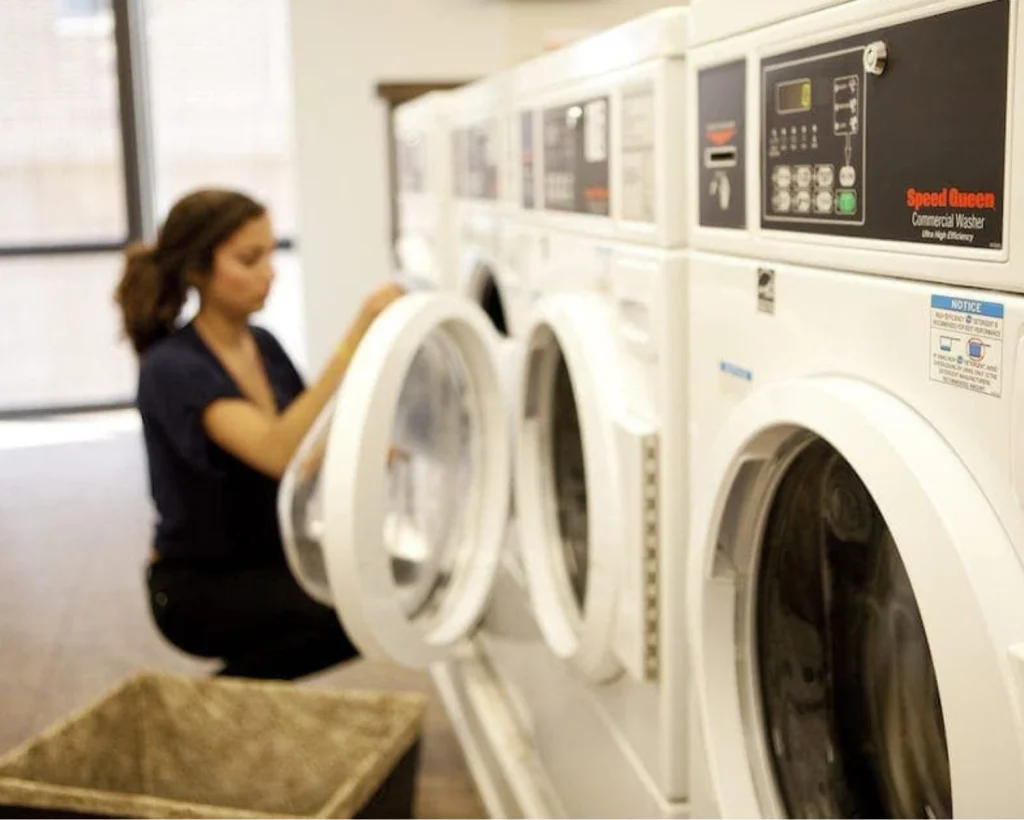
Preventive maintenance can help identify wear before it turns into a larger interruption. In addition, having a clear repair process gives staff a predictable way to respond when a washer, dryer, payment device, or other component needs attention.
Property managers should ask practical service questions before choosing equipment. Who performs repairs? How are service requests submitted? Are commonly needed parts readily available? What maintenance falls to the property, and what support comes with the equipment?
These questions are important because service should be evaluated as part of the equipment decision rather than after a breakdown occurs.
Southeastern Laundry Equipment supports multifamily properties with equipment planning and service resources. Its multifamily programs also include purchase, lease, and revenue-share options, allowing property teams to evaluate the structure that best matches their ownership preferences and budget while keeping laundry equipment available on site.
Need equipment for a student housing property?
Tell Southeastern Laundry Equipment about your property, current equipment, and plans so the team can help identify an appropriate multifamily setup.
Request a Multifamily Equipment QuoteTiming can make a major equipment replacement much easier. For many student properties, summer or another lower-occupancy period may create a practical window for replacing multiple machines, updating payment technology, or improving a laundry room.
Summer may offer a quieter installation window, but managers should not assume the property will be empty. Summer leases, internships, year-round residents, short-term programs, and early move-ins can all affect access, which is why replacement work should be coordinated with leasing and property operations well in advance.
Some communities may benefit from a phased project, while others may find it more practical to complete the work at once, especially if plumbing, drainage, electrical service, flooring, or room layout also needs attention. Delivery access, removal of old units, utility preparation, and resident communication should all be part of the equipment plan from the beginning.
Purchase price is easy to compare because it appears directly on a quote. However, apartment laundry equipment should also be evaluated based on its longer-term operating costs.
Property teams should consider water and energy consumption, expected service needs, parts availability, payment-system expenses, installation requirements, warranty coverage, and equipment reliability.
Efficiency deserves particular attention in high-use laundry rooms. ENERGY STAR reports that certified commercial clothes washers are, on average, more energy efficient and use considerably less water than standard models. Therefore, efficiency differences can become more meaningful when multiplied across many machines and repeated cycles.
For property managers, the lesson is simple: compare equipment based on the full environment in which it will operate, not merely the number on the purchase quote.
Laundry equipment is a long-term property decision. Therefore, the company supporting that equipment deserves as much attention as the machines themselves.
A useful multifamily laundry equipment provider should be able to connect machine capacity, laundry room layout, payment technology, installation requirements, and future service needs. Those decisions work together, so evaluating them separately can leave important gaps.
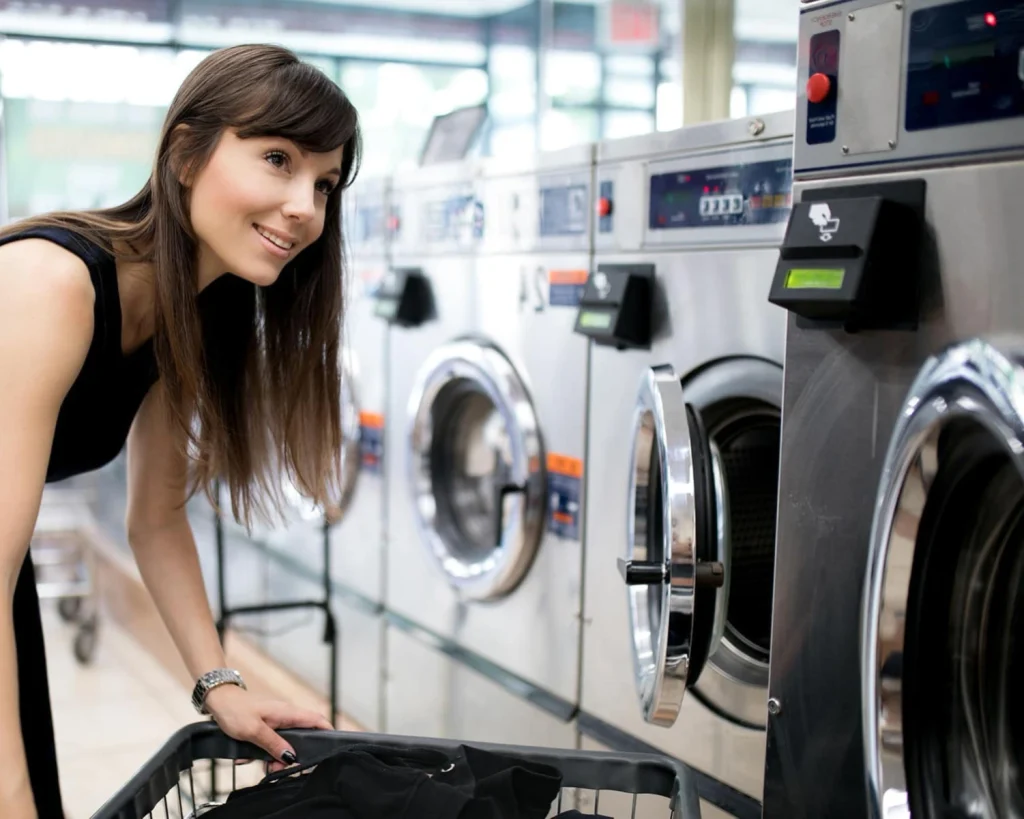
Before choosing a provider, property teams should ask why a proposed configuration fits their specific community. They should also discuss service access, warranty support, parts availability, payment choices, and opportunities for future expansion.
For student communities, flexibility is especially useful. Occupancy can change, buildings may be renovated, and resident expectations continue to evolve. Consequently, the laundry room should solve current needs without making future changes unnecessarily difficult.
Southeastern Laundry Equipment works with apartment communities, multifamily properties, and university-related facilities on shared laundry equipment. Its multifamily offerings include right-sized equipment planning, space-efficient configurations, cashless payment options, and ongoing operational support.
Not sure which laundry setup fits your property?
Discuss your resident count, laundry room layout, equipment needs, and payment options with Southeastern Laundry Equipment.
Talk With a Multifamily Laundry SpecialistChoosing laundry equipment for multifamily student housing ultimately comes down to matching capacity, durability, convenience, and service with the way residents actually live.
The strongest equipment plan considers peak demand, bulky loads, payment preferences, room layout, maintenance access, utility requirements, and long-term operating costs together. As a result, the property is less likely to solve one problem while accidentally creating another.
A laundry room does not need to be complicated to work well. However, it does need the right equipment in the right configuration. When machines are convenient to use and available when residents need them, laundry becomes one less recurring friction point for residents and property teams alike.
If your property is replacing aging machines, opening a new student apartment community, or reconsidering an existing shared laundry room, Southeastern Laundry Equipment can help you review equipment, payment, layout, and support options for the property.
Ready to plan your property’s laundry equipment?
Share a few details about your multifamily student housing property and get started with an equipment quote tailored to your needs.
Get a Laundry Equipment QuoteThe best laundry equipment for multifamily student housing depends on resident count, available space, expected usage, utility connections, and the types of loads residents typically wash. Properties may benefit from a mix of standard-capacity and larger-capacity machines so students can handle everyday clothing as well as comforters, towels, and other bulky items. Durability, payment options, service access, and long-term operating costs should also be considered before choosing equipment.
There is no single washer-to-resident ratio that works for every property. The right number depends on occupancy, building layout, machine capacity, cycle times, and how residents use the laundry room. Property managers should also consider periods of heavier demand so the laundry area can handle multiple residents without creating unnecessary waiting or congestion.
Card and mobile payment systems can make shared laundry rooms more convenient for residents who may not regularly carry coins. Depending on the system, residents may also be able to add funds digitally, check cycle information, or receive notifications. However, property owners should also compare transaction costs, hardware requirements, connectivity, and ongoing support before selecting a payment system.
A combination of machine sizes can work well in student housing. Standard-capacity washers may handle most everyday loads, while larger-capacity machines give residents a better option for bedding, blankets, towels, and other bulky items. The right equipment mix should be based on the property’s resident population, laundry room space, and actual usage patterns.
Shared laundry equipment may handle frequent use, so downtime can quickly affect residents when several people need the machines at once. Preventive maintenance can help identify wear before it develops into a larger problem, while a clear repair process helps property staff respond more efficiently when equipment needs attention.
Yes. Southeastern Laundry Equipment works with multifamily properties and can help evaluate equipment needs, laundry room layout, payment options, service considerations, and equipment configurations. Property managers planning or upgrading laundry equipment for multifamily student housing can use that guidance to build a setup around the property’s resident count, available space, and operational needs.