
How to Start a Laundromat Business: Step-by-Step Guide
Knowing how to start a laundromat can open the door to a highly profitable business opportunity, but it requires careful planning, significant upfront investment, and the right operational decisions from the very beginning.
At SELaundry, we can support you from the earliest planning stages through store design, equipment selection, installation, and ongoing service—helping simplify the process and improve long-term performance.
What Is a Laundromat Business and Why It’s a Strong Investment
A laundromat business is a self-service model where customers pay to wash and dry their clothes using commercial laundry equipment. It is a proven, service-based industry with consistent demand, making it a popular choice for entrepreneurs looking for stable, long-term income opportunities.
Recession-Resistant Demand
Consistent Cash Flow
High ROI Potential
Low Labor Criteria
Scalable Business Model
Equipment-Driven Efficiency

How Much Does It Cost to Start a Laundromat Business?
Starting a laundromat typically requires a total investment ranging from $200,000 to $500,000 for an existing store, while new construction projects often range from $250,000 to over $1,000,000, depending on size, location, and equipment strategy. Most lenders also require a 25%–40% down payment, plus additional operating reserves for the first few months.
Below is a breakdown of the most common startup costs:
New Laundromat Startup Cost Estimator
Get a quick estimate for what it may cost to open a new laundromat.
How Leasing Can Reduce Laundromat Startup Costs
Leasing laundry equipment can be a strategic way to lower upfront investment and improve cash flow when you want to start a laundromat. Instead of paying the full equipment cost upfront, operators can distribute payments over time and allocate capital more efficiently during the launch phase.
- Lower upfront equipment investment
- Improved cash flow flexibility
- Faster business launch
- Easier access to commercial equipment
- Reduced initial financial risk
- Scalable equipment investment
Leasing can be especially valuable for first-time investors or operators looking to optimize their startup structure without overextending financially.
Start Your Laundromat with Southeastern Laundry
For personalized guidance on equipment strategy, layout planning, and investment structure, connect with our team to receive expert support and a customized equipment quote tailored to your business goals.
Revenue Share Form
What Do You Need to Open a Laundromat?
Opening a laundromat requires more than just machines—you’ll need the right infrastructure, legal setup, and regulatory approvals to operate efficiently and compliantly. Below are the core requirements to successfully launch your business.
Equipment and Infrastructure Requirements
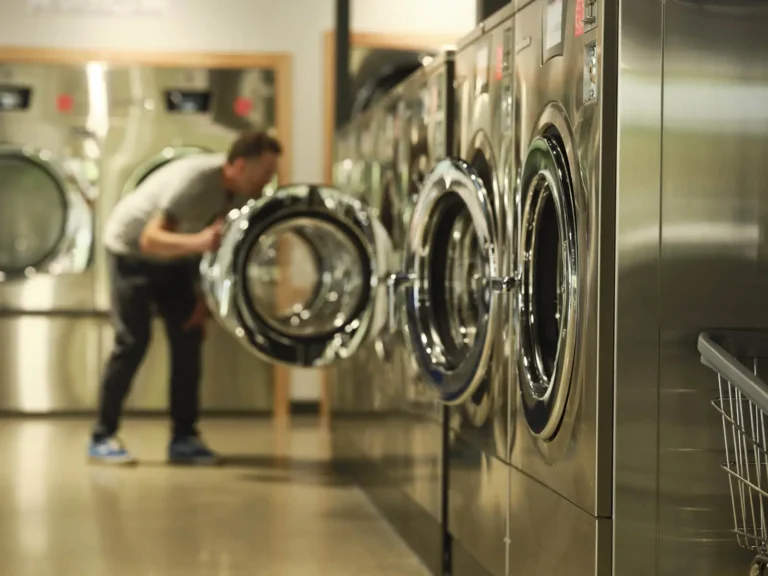
A laundromat is a utility-heavy operation, so proper setup is critical from day one.
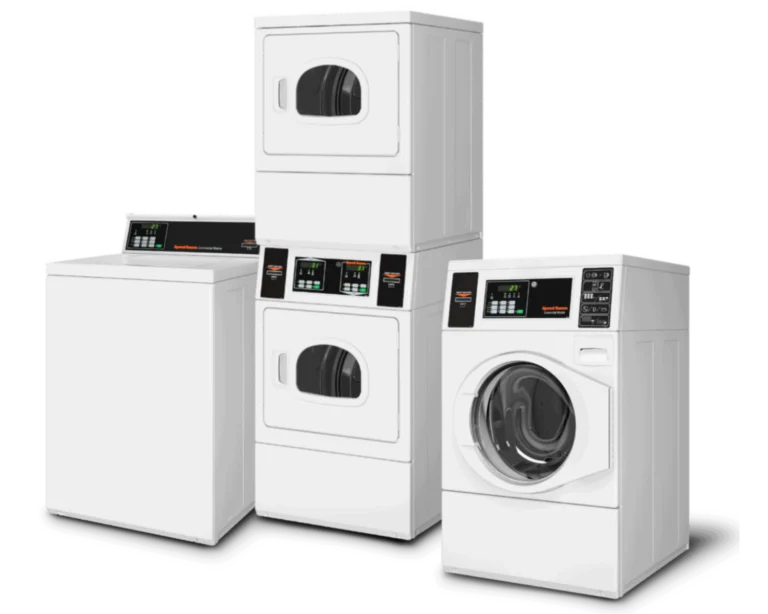
- Commercial washers and dryers: Built for high-volume, continuous use
- Water and drainage systems: Adequate pressure, hot water supply, and proper drainage capacity
- Electrical and gas setup: Sufficient power and gas lines to support all machines safely
- Ventilation systems: Essential for dryer efficiency and safety compliance
- Space and layout: Optimized floor plan for machine capacity, customer flow, and accessibility
- Payment systems: Coin, card, or digital solutions for customer convenience
Business Registration and Setup Basics
Before operating, your business must be legally structured and properly registered.
- Business entity formation: LLC, corporation, or sole proprietorship
- EIN (Tax ID): Required for taxes, banking, and hiring employees
- Business registration: State and local registration of your business name
- Business bank account: Separation of personal and business finances
- Insurance coverage: General liability, property, and equipment protection
Permits and Environmental Regulations
Laundromats must comply with local regulations due to water usage and utility demand.
- Zoning approval: Confirms the location is approved for laundromat use
- Building and construction permits: Required for renovations and equipment installation
- Utility permits: For water, gas, and electrical systems
- Environmental compliance: Wastewater disposal and energy usage regulations
- Health and safety codes: Fire safety, ventilation, and occupancy requirements
Step-by-Step Process to Open a Laundromat
Starting a laundromat requires a structured process that includes market research, financial planning, equipment selection, installation, and operational setup.
Each step plays a key role in reducing risk, controlling costs, and building a sustainable business model from day one.
Step 1: Market Research and Location Selection
Market research is the foundation of a successful laundromat. This step focuses on identifying high-demand areas by analyzing local demographics, population density, and competition. The goal is to choose a location with strong visibility, convenient access, and consistent unmet laundry demand that supports long-term profitability.
Step 2: Building a Business Plan
A business plan defines the financial and operational direction when you start a laundromat. It includes startup cost estimation, revenue projections based on machine usage, pricing strategy, and break-even analysis. This step is essential to understand the investment required and secure financing if needed.
Step 3: Selecting Equipment and Vendors
Choosing the right commercial laundry equipment is critical to long-term performance and efficiency. Investors should evaluate machine durability, energy efficiency, warranty coverage, and service support. Working with experienced providers like SELaundry can help ensure the right equipment mix is selected, with options such as leasing available to reduce upfront capital requirements.
Step 4: Installation and Setup
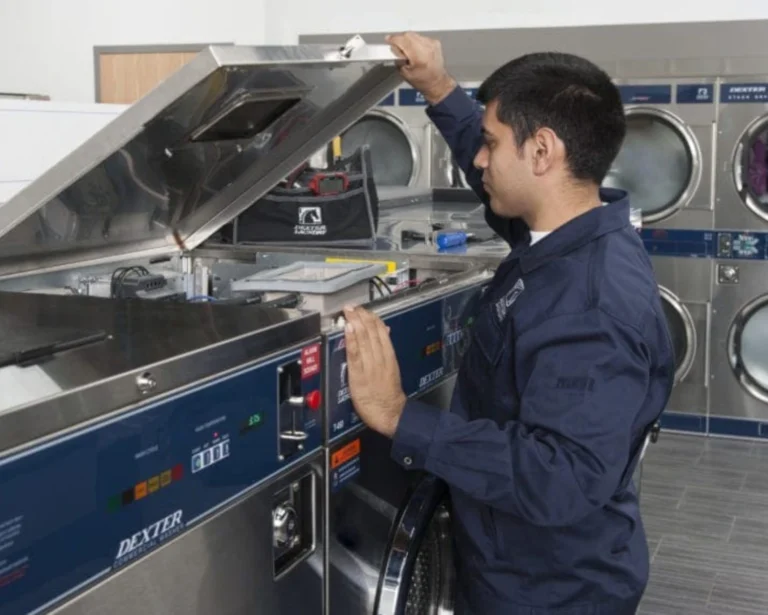
Installation involves preparing the space and ensuring all infrastructure is ready for operation, including plumbing, electrical, and gas systems. Equipment is then installed, tested, and aligned with the store layout to ensure smooth customer flow and operational efficiency. Proper setup is key to avoiding delays and future maintenance issues.
Step 5: Launch and Operation Planning
The launch phase focuses on preparing the business for customers through pricing strategy, promotions, and operational workflows. Whether operating self-service or attended, this step includes final staff training, payment system setup, and performance monitoring to ensure a smooth opening and early customer acquisition.
Supporting Your Laundromat from Start to Launch
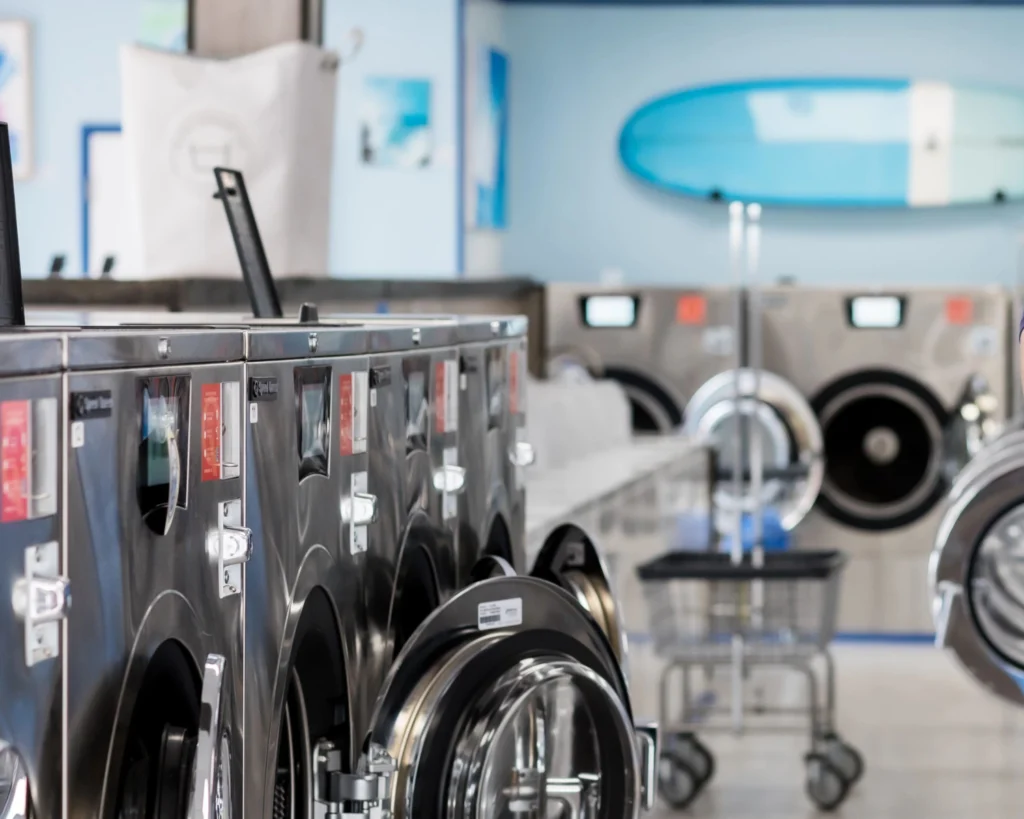
For those navigating this process, Southeastern Laundry provides support beyond equipment supply—offering guidance from early planning stages and store layout decisions to equipment selection, installation, and ongoing post-launch support. This helps simplify execution and improves long-term operational performance.
Revenue Share Form
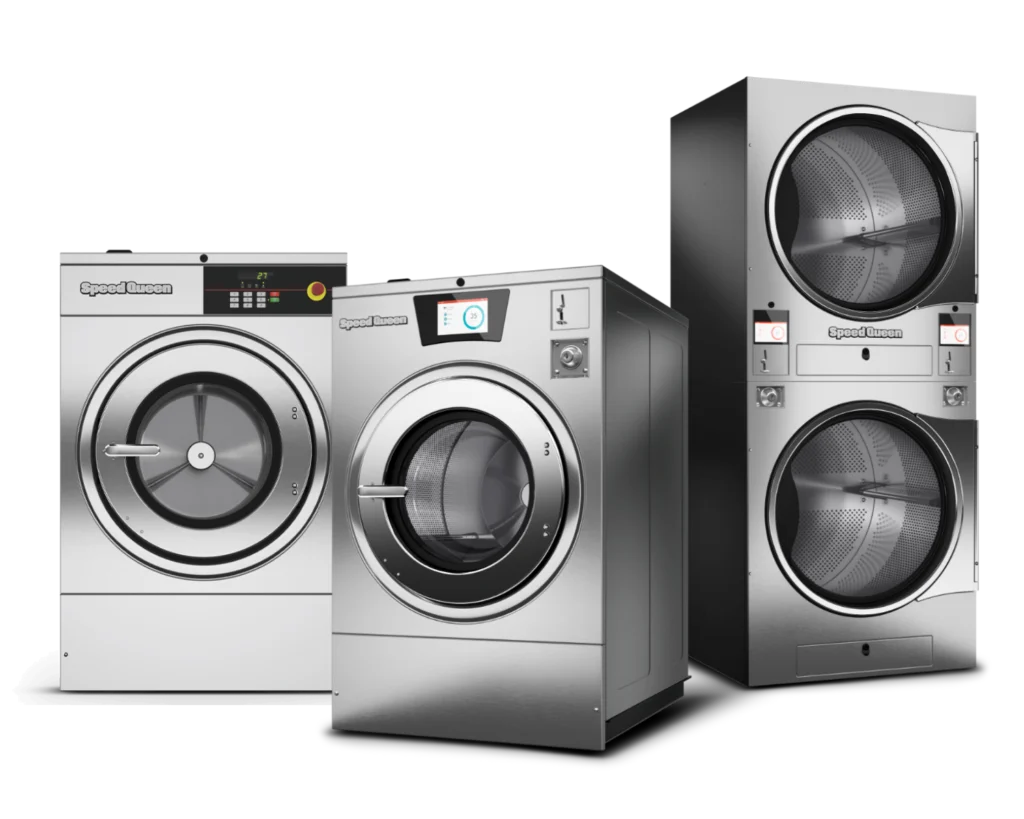
Top Commercial Laundromat Equipment Brands in the Industry


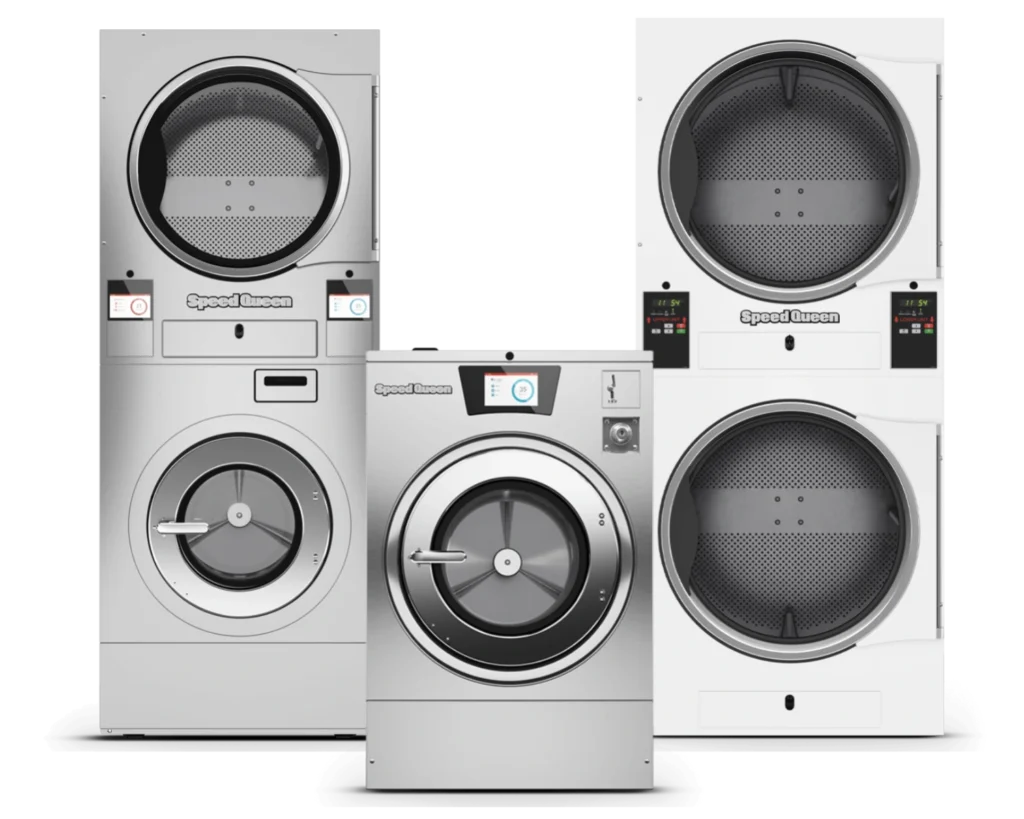
Why Equipment Selection Matters for Your Laundromat
Choosing the right commercial laundry equipment is critical for long-term performance, efficiency, and operational stability. At this stage, the focus is on selecting reliable machines and trusted vendors that can support consistent daily operations and reduce downtime risks over time.
High-capacity machine selection
Energy-efficient equipment performance
Durable commercial-grade build
Reliable service and support
Optimized wash-dry cycles
Vendor installation expertise
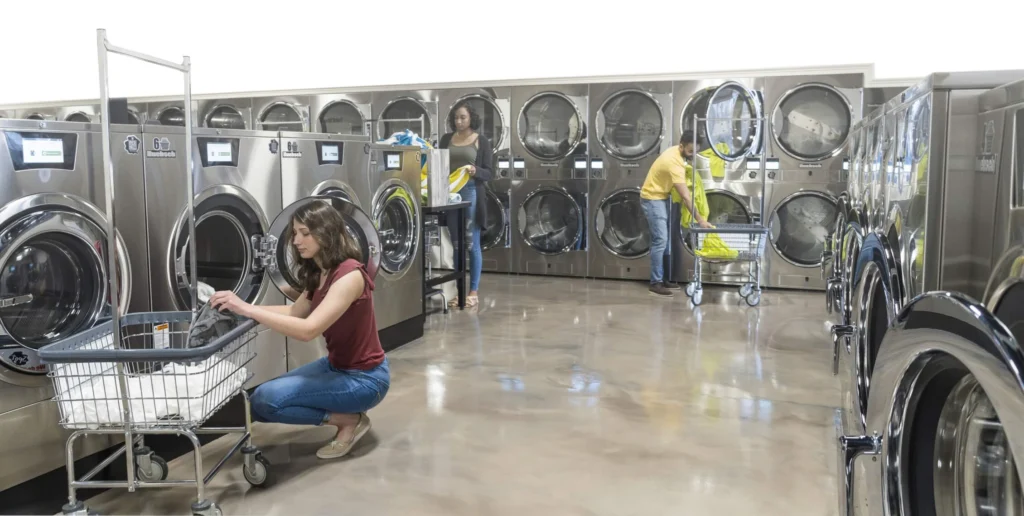
Is a Laundromat Business Profitable? ROI and Revenue Potential
Laundromats are widely recognized for their ability to generate steady income with relatively predictable operating patterns. Rather than relying on fluctuating demand, this business model benefits from consistent usage, making performance easier to track and optimize over time. To understand what kind of returns you can expect, it’s helpful to look at the key indicators that define profitability in this type of business.
20%–35% average ROI
3–7 year payback period
Low labor operating model
Consistent, recurring revenue
How to Increase ROI After Starting a Laundromat
- Energy-efficient equipment: Reduces water and electricity usage, lowering operating costs over time
- High machine uptime: Minimizes downtime to keep revenue flowing consistentl
- Optimized pricing strategy: Aligns pricing with demand to maximize revenue per cycle
- Additional service offerings: Increases revenue through services like wash-and-fold
- Equipment leasing options: Provides predictable costs by covering equipment, parts, and service in one structure

How to Finance a Laundromat Business
Financing a laundromat typically combines different funding sources, depending on the size of the project, equipment needs, and available capital. Understanding each option helps structure a more sustainable investment plan and reduces financial pressure during the launch phase.
Leasing Options
Leasing allows you to acquire commercial laundry equipment without paying the full cost upfront, making it one of the most accessible ways to start a laundromat.
Lower upfront capital required compared to purchasing equipment
Fixed monthly payments for easier financial planning
Often includes maintenance, parts, and service coverage
Flexible upgrade options as equipment needs evolve
Traditional Loans and SBA Financing
Traditional financing options, including SBA loans, are commonly used to start a laundromat, especially for covering large upfront expenses.
Can finance equipment, construction, and leasehold improvements
Typically requires 25%–40% down payment
Competitive interest rates for qualified applicants
Structured repayment terms over multiple years
Personal Capital and Alternative Funding Sources
Using personal capital or alternative funding gives more control over your investment structure, allowing greater flexibility when opening a laundromat.
Personal savings to reduce reliance on loans
Investment partners to share capital and risk
Private lenders with more flexible terms
Hybrid funding strategies combining multiple sources
Common Mistakes When You Start a Laundromat Business
Starting a laundromat involves more than just securing a space and installing machines. Early missteps can limit revenue potential and delay profitability. Understanding these common pitfalls helps set a stronger foundation from day one.
Choosing the Wrong Location
Underestimating Startup Costs
Poor Equipment Selection
Build Your Laundromat Business with Southeastern Laundry
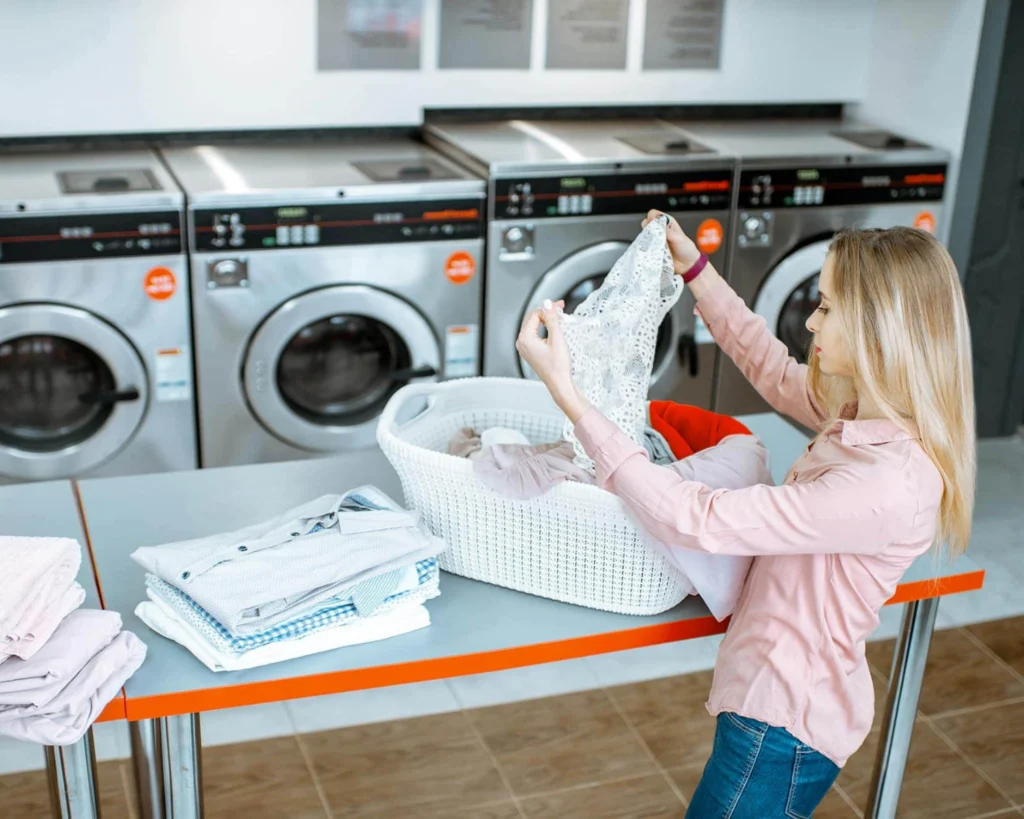
Building a successful laundromat starts with the right partner. SELaundry works with investors and entrepreneurs to simplify every stage of the process—from equipment selection and store layout to installation and long-term support—helping you launch and scale with confidence.
Whether you’re opening your first location or expanding your portfolio, our team provides tailored guidance based on your goals, budget, and market.
With access to high-performance commercial laundry equipment brands and flexible financing options like leasing, you can reduce upfront costs while setting your business up for long-term profitability.
Revenue Share Form
FAQs About Starting a Laundromat Business
How long does it take to open a laundromat business?
When planning how to open a laundromat, timelines typically range from 6 to 12 months for an existing store acquisition, or a year or more for new construction. This includes location scouting, financing, permitting, build-out, and equipment installation.
Is a laundromat a good investment?
If you’re wondering is opening a laundromat a good investment, the answer is often yes. Laundromats are recession-resistant, with stable demand and the potential for steady, partially passive income—though success depends on managing high upfront costs and ongoing maintenance.
Do laundromats require employees to operate?
No, laundromats can run without employees as self-service or unattended businesses. However, consistent cleaning, maintenance, and customer support are still necessary, whether managed by the owner or with occasional help.
What is the ROI of a laundromat?
When evaluating if opening a laundromat is profitable, typical ROI ranges from 20% to 35%. Performance depends on factors like location, utility efficiency, equipment quality, and added services such as wash-and-fold.