
Hotel laundry best practices can make a real difference in how long towels, sheets, pillowcases and other guest linens stay in service. A consistent process also helps hotel teams protect linen quality, reduce avoidable rewash cycles and keep an on-premise laundry running smoothly from one shift to the next.
For hotels, linen care affects room readiness, guest impressions, labor, utility use and replacement costs. However, extending linen life does not require complicated procedures. In many cases, the biggest gains come from better sorting, faster stain treatment, correct wash settings, careful drying and reliable equipment support.
The following ten practices give housekeeping and laundry teams a practical framework they can use every day.

A strong hotel laundry process should be easy for staff to follow, repeat and check. The goal is not to add unnecessary steps. Each part of the process should have a practical purpose, whether that means preventing linen damage, improving wash consistency or reducing avoidable rework.
| Best practice | What it helps prevent | Daily focus |
|---|---|---|
| Sort linen correctly | Dye transfer, uneven washing and fabric damage | Separate by fabric, color and soil level |
| Treat stains quickly | Permanent staining and unnecessary rewashing | Pretreat before washing |
| Use the right temperature | Fiber damage and poor soil removal | Follow linen and chemical requirements |
| Load machines correctly | Poor cleaning and mechanical stress | Leave room for proper movement |
| Dose chemicals accurately | Residue, discoloration and fiber wear | Match chemistry to load conditions |
| Control drying | Shrinkage, heat damage and overdrying | Remove linen when properly dry |
| Separate clean and soiled linen | Cross-contamination and rework | Maintain clear workflow zones |
| Store linen properly | Moisture, odor and handling damage | Use dry, clean shelving |
| Train staff consistently | Process variation and misuse | Reinforce operating standards |
| Retire linen at the right time | Poor presentation and repeated rework | Repair, repurpose or replace by condition |
Because hotels process large volumes of similar items, small errors can repeat many times in a week. As a result, a simple operating standard can have a larger impact than occasional corrective action.
The wash process begins before a machine ever starts. Sorting and stain treatment can influence whether linen comes out clean the first time or needs to be processed again, which makes the collection and staging area an important part of hotel linen care.
Do not treat every white item as the same load. Towels, sheets, bathmats, kitchen linen and cleaning cloths can carry very different soil levels and may require different wash formulas. A lightly used guest-room sheet, for example, should not automatically be handled the same way as a heavily soiled bathmat or kitchen towel. Separating linen by fabric type, color and soil level gives each load a better chance of being cleaned properly the first time.
Proper sorting can also help the laundry room run more efficiently. Towels and lighter sheets often retain moisture differently, so mixing them may leave one part of the load dry while another still needs more time. When similar items are processed together, staff can choose wash and dry programs that better match the linen instead of extending cycles for an entire mixed load.
A stain can become harder to remove when it sits too long, when the linen is washed with the wrong formula, or when the item reaches the dryer before the stain is fully removed. That means housekeeping teams should identify visible stains early and route those items for pretreatment rather than relying on repeated full wash cycles.
Common hotel stains include cosmetics, food, beverages, oils and bodily soils. However, one treatment does not suit every stain. Staff should follow the linen manufacturer’s care instructions and chemical supplier guidance.
The American Cleaning Institute’s stain removal guidance also recommends prompt treatment and checking stained items before drying. That approach can reduce rewash labor while helping teams avoid harsher treatment than the fabric needs.
Hotter is not automatically better when washing hotel linen. The right temperature depends on the fabric, soil type, detergent system and sanitation requirements that apply to the property. Excessive heat can contribute to shrinkage, color loss and fiber wear on some textiles, while a temperature that is too low for the selected chemistry may lead to disappointing results and unnecessary rewashing.
A more consistent approach is to establish standard wash programs for the hotel’s most common loads and make those programs easy for staff to identify. Those settings should also be reviewed when linen suppliers, detergents or operating requirements change. This gives employees a clear process to follow without relying on guesswork during a busy laundry shift.
It can be tempting to fit a few more towels into a load during a busy turnover period. However, overloading can work against both cleaning quality and linen life.
Linen needs enough room to move so water and chemistry can reach the fabric evenly. When staff pack a washer too tightly, some items may not rinse or wash as intended. As a result, the hotel may face residue, inconsistent stain removal or a second wash cycle.
Staff should follow the machine manufacturer’s capacity guidance and use a practical loading standard based on the linen being processed. If a hotel regularly exceeds available washer capacity, the issue may be system sizing rather than staff performance.
More detergent does not necessarily mean cleaner linen. In fact, incorrect dosing can leave residue, affect absorbency or contribute to fabric wear.
Chemical dosing should reflect load size, water conditions, soil level and the products being used. In practice, hotel teams should avoid manual guesswork whenever a controlled dispensing system is available. If towels feel stiff, sheets appear dull or loads require repeated rinsing, review the wash formula and dispensing system, along with water conditions, dryer settings and equipment performance.
Is your hotel laundry equipment keeping up with demand?
Southeastern Laundry Equipment can help you evaluate washer and dryer capacity, workflow, and equipment needs for an efficient on-premise hotel laundry.
Request Hotel Laundry Equipment GuidanceWashing receives most of the attention, but linen care does not end when the wash cycle finishes. Drying, transport and storage can all affect how guest bedding and towels look, feel and hold up over repeated use.
Overdrying can increase cycle time and expose fabrics to more heat than they need. Depending on the textile and dryer settings, repeated excessive drying may contribute to shrinkage, roughness and faster fiber wear. This can be especially easy to overlook during a busy room-turnover period, when staff may be tempted to add a few extra minutes to make sure every item is dry.
Dryer programs should match the actual load rather than relying on one standard time for everything. Towels, for example, may need a different cycle from lighter sheets, and moisture-sensing controls can help reduce unnecessary drying time when the equipment provides that option. Lint screens and airflow also matter because restricted airflow can lengthen drying times and lead operators to compensate with additional heat or longer cycles.
When hotels evaluate equipment, they should consider efficiency alongside throughput and linen quality. ENERGY STAR’s commercial clothes washer guidance can provide useful efficiency context when evaluating eligible commercial washers.
Once linen is clean, it should move through a controlled path toward folding and storage rather than crossing back into areas used for incoming soiled items. Even in a compact hotel laundry room, clearly defined clean and soiled zones, dedicated carts and sensible traffic flow can reduce unnecessary contact and help keep finished linen off floors, machine tops and other temporary surfaces.
A well-organized flow also makes the room easier for staff to manage during busy shifts. Employees can see where each load belongs and spend less time moving linen backward through the process or correcting avoidable handling problems. In practice, a simple layout that everyone understands is often more useful than a complicated system that is difficult to follow consistently.
Clean linen can still be damaged after it leaves the dryer, so storage deserves the same attention as washing and drying. Shelving should remain clean and dry, while finished linen should be protected from moisture, dust, maintenance supplies and unnecessary handling. A sensible stock rotation system also helps prevent the same towels or sheets from being used and washed repeatedly while other inventory sits untouched.
Hotels should also review their linen par levels as part of that process. Too little inventory may create pressure to wash and return linen immediately during high occupancy, while excessive inventory can make stock condition and rotation harder to monitor. The right level will vary by property, but the goal is to maintain enough linen for normal operating demands without losing track of what is actually in circulation.
Even a well-designed laundry process can fall apart when staff follow different procedures or equipment starts performing inconsistently. Training and maintenance are therefore part of good linen care, not separate issues that only need attention when something goes wrong.
Consistency becomes harder when different employees handle the same linen in different ways. A new team member may not know which cycle is intended for towels, how full a washer should be or where stained items need to go unless those expectations are clearly explained. Simple, repeatable standards are usually easier for staff to remember during a busy shift than a long set of instructions.
Training should cover common load types, machine capacity, stain handling and the wash programs used by the property, but it should also explain why those choices matter. Someone who understands that overloading can lead to poor wash results and rewashing has a reason to follow the loading standard. Designated employees should also know when to report changes such as unusual vibration, longer cycle times, poor extraction, inconsistent heating or repeated error codes so equipment problems can be investigated early.
The goal is to extend linen life, not to keep every item in guest service indefinitely. Eventually, towels thin out, hems fray and sheets lose the appearance expected in a guest room.
Clear condition standards make it easier for staff to decide what is still suitable for a guest room and what should leave regular circulation. Teams can mend items with minor repairable issues, while some retired guest linen can be repurposed for appropriate back-of-house uses.
However, heavily stained, torn or worn linen should not cycle repeatedly through the laundry in the hope that another wash will restore it. Repeated processing consumes labor and machine capacity while still producing an item that may not meet presentation standards.
Tracking why linen leaves service can also reveal operational problems. For example, frequent chemical damage may point to a dosing issue, while repeated tears may suggest handling problems or equipment that needs inspection.
Good procedures protect linen, but those procedures depend on machines performing consistently. A washer that does not extract properly can increase dryer time. Likewise, a dryer with airflow or heating problems can create inconsistent results and encourage staff to extend cycles.
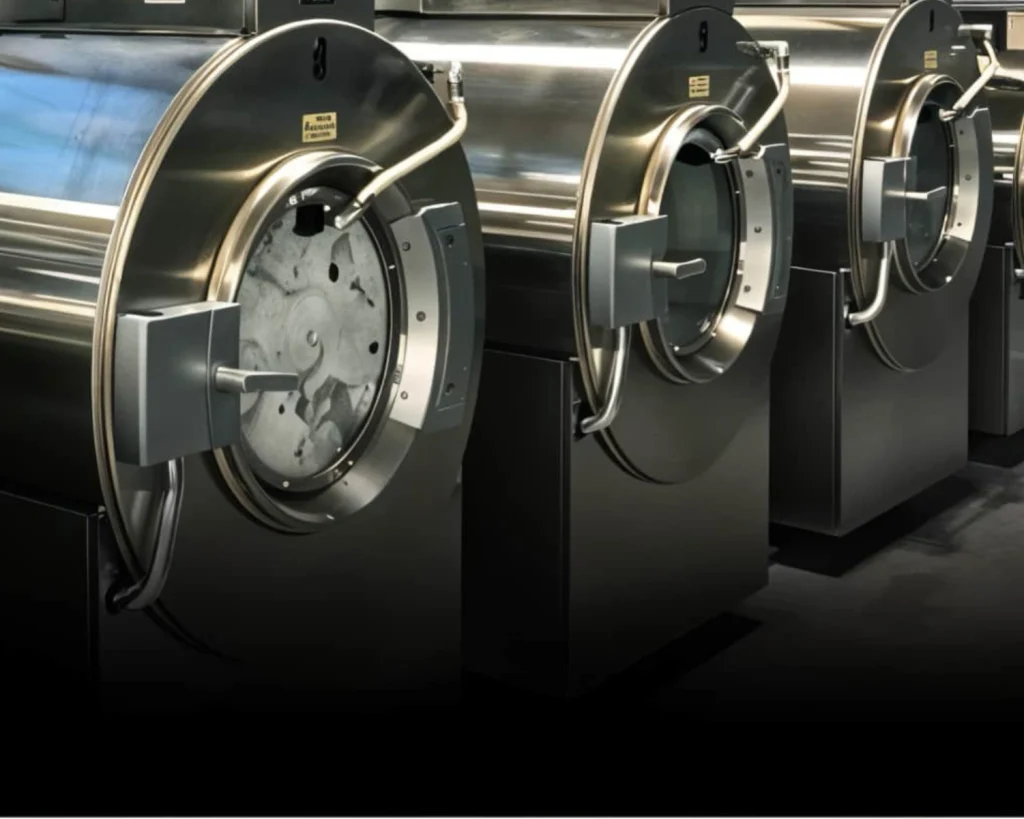
Keeping equipment maintained is part of protecting both linen quality and day-to-day laundry performance. Southeastern Laundry Equipment supports hospitality operations that run on-premise laundries with commercial equipment, maintenance and repair service. Its scheduled maintenance program includes quarterly operational inspections and a comprehensive 77-point inspection of washers and dryers, giving hotel teams a structured way to monitor equipment condition and identify potential problems.
Hotels can review Southeastern Laundry Equipment’s hospitality laundry solutions when planning or improving an on-premise laundry. Properties that want to reduce preventable interruptions can also explore scheduled commercial laundry maintenance or request commercial laundry equipment repair service when a machine is not performing as expected.
A hotel laundry room works as a system. Capacity, utilities, workflow, wash formulas and equipment condition all affect what happens to the next load. When drying times suddenly increase or wash results become inconsistent, identifying what has changed is usually more useful than adjusting several parts of the process at once.
Noticing longer cycle times or inconsistent laundry results?
Southeastern Laundry Equipment provides commercial laundry maintenance and repair support to help hotels identify equipment issues and keep their on-premise laundry running reliably.
Request Commercial Laundry ServiceThe most effective hotel laundry practices are the ones a housekeeping or laundry team can repeat every day, including during high-occupancy periods when the room is under the most pressure. Correct sorting, prompt stain treatment, suitable wash programs and controlled drying all help protect linen, while sensible storage and clear staff standards reduce avoidable handling problems.
Equipment performance deserves the same attention. A towel load that suddenly takes much longer to dry, a washer that is not extracting as well as usual or recurring machine faults can affect both workflow and linen care. Southeastern Laundry Equipment supports on-premise commercial laundry operations with equipment planning, maintenance and repair services, helping hotels evaluate what may be affecting their laundry room rather than simply replacing equipment without understanding the problem.
With a consistent process and dependable equipment support, hotel teams can protect linen quality, reduce unnecessary wear and keep the laundry room prepared for daily room turnover. Small improvements in the way linen is washed, handled and monitored can add up over time, particularly in hotels where the same towels, sheets and bedding move through the laundry week after week.
The most important hotel laundry best practices include sorting linen by fabric and soil level, treating stains quickly, using the correct wash temperature and chemical dosage, avoiding overloaded machines, preventing overdrying, separating clean and soiled linen, and training staff to follow consistent procedures. Regular equipment maintenance also helps keep an on-premise laundry operating reliably.
Hotels can extend the life of towels and bedding by using wash and dry programs that match the fabric, avoiding excessive heat, treating stains before drying, and preventing washers from being overloaded. Proper storage and stock rotation also matter because they help prevent the same linen from being washed more often than necessary.
Service frequency depends on equipment type, usage, manufacturer recommendations, and the demands placed on the laundry room. High-volume hotel laundries may benefit from scheduled preventive maintenance so potential issues can be identified before they lead to longer cycle times, inconsistent results, or unexpected downtime.
Overloading can prevent linen from moving freely inside the washer, which may affect how evenly water and laundry chemistry reach the fabric. Poorly washed loads may then require additional processing. Following the machine manufacturer’s capacity guidance can help hotels improve wash consistency while reducing unnecessary stress on linen and equipment.
There is no single temperature that is right for every hotel linen load. The appropriate setting depends on the fabric, soil level, detergent system, care instructions, and any sanitation requirements that apply to the property. Hotels should use established wash programs rather than automatically choosing the hottest available setting.
Hotels can reduce rewashing by sorting linen correctly, identifying stains before washing, using the right wash formula, loading machines properly, and checking that equipment is performing as expected. When the same type of load repeatedly requires a second wash, it is worth reviewing the entire process instead of simply increasing detergent, temperature, or cycle time.
Changes in normal equipment performance can be an early warning sign. Longer drying times, poor water extraction, unusual vibration, inconsistent heating, recurring error codes, or noticeably different wash results may indicate that the equipment should be inspected. Addressing problems early can help limit disruption to daily hotel laundry operations.
Southeastern Laundry Equipment supports hotels that operate on-premise laundries with commercial laundry equipment, maintenance, and repair services. Hotels that are reviewing equipment capacity, dealing with recurring machine problems, or planning upgrades can work with Southeastern Laundry Equipment to evaluate their laundry needs and identify an appropriate service or equipment solution.