
Opening a laundromat can be a worthwhile investment, but profitability depends on more than having customers who need clean clothes. Understanding startup costs, operating expenses, and equipment maintenance is essential before committing your money.
Unlike businesses that depend on seasonal demand or constantly changing inventory, laundromats provide a service people need throughout the year. However, that steady demand doesn’t automatically translate into steady profits. Rent, utility bills, equipment breakdowns, and competition can quickly change the financial picture.
So, is opening a laundromat a good investment for someone entering the commercial laundry industry? The answer depends on your location, business plan, equipment choices, and ability to keep machines operating reliably.
This guide examines what a laundromat actually costs, where profits come from, and how dependable equipment service can help protect your investment.
A laundromat can be a good investment when customer demand supports the location, operating expenses remain manageable, and equipment stays available for use. Profitability isn’t guaranteed, though, and running a successful laundromat requires ongoing attention.
One advantage is the recurring nature of laundry. Customers need clean clothing and household linens regardless of economic trends or the time of year. Self-service laundromats also tend to require smaller teams than many retail businesses.
However, the machines themselves represent a substantial financial commitment. Owners also need enough working capital to handle slower periods, repairs, and unexpected expenses.
That makes equipment performance an important consideration alongside the financial opportunity. A promising location matters, but so does keeping that location running smoothly.
Laundromat profitability comes down to customer traffic, revenue per visit, and operating expenses. A busy location may bring in plenty of sales, but high rent, utility bills, and equipment costs can take a significant portion of those earnings. Meanwhile, a smaller laundromat with efficient machines and manageable overhead may retain more of what it earns. The number of washers and dryers matters, but their capacity, operating costs, and how frequently customers use them are just as important.
Equipment selection also affects how well a laundromat serves its customers. For example, having too few large-capacity washers can create bottlenecks when several people arrive with bulky bedding or large laundry loads. Choosing the right mix of machines helps accommodate different customer needs without investing in equipment that rarely gets used.
Laundromat startup costs vary significantly depending on the property’s condition, location, equipment capacity, and whether you’re building a new business or purchasing an existing operation.
Commercial washers and dryers account for a significant expense, but they’re only part of the total budget. Preparing the building for continuous laundry operations can involve considerable work.
The number, size, and type of machines you choose will shape your initial investment. A laundromat serving families with large loads, for example, may need a different mix of washer capacities than one catering mainly to individuals. Purchase prices are important, but durability, water efficiency, warranty coverage, and maintenance requirements also deserve attention. Equipment that costs less upfront may become more expensive to operate if it consumes more utilities or requires frequent repairs.
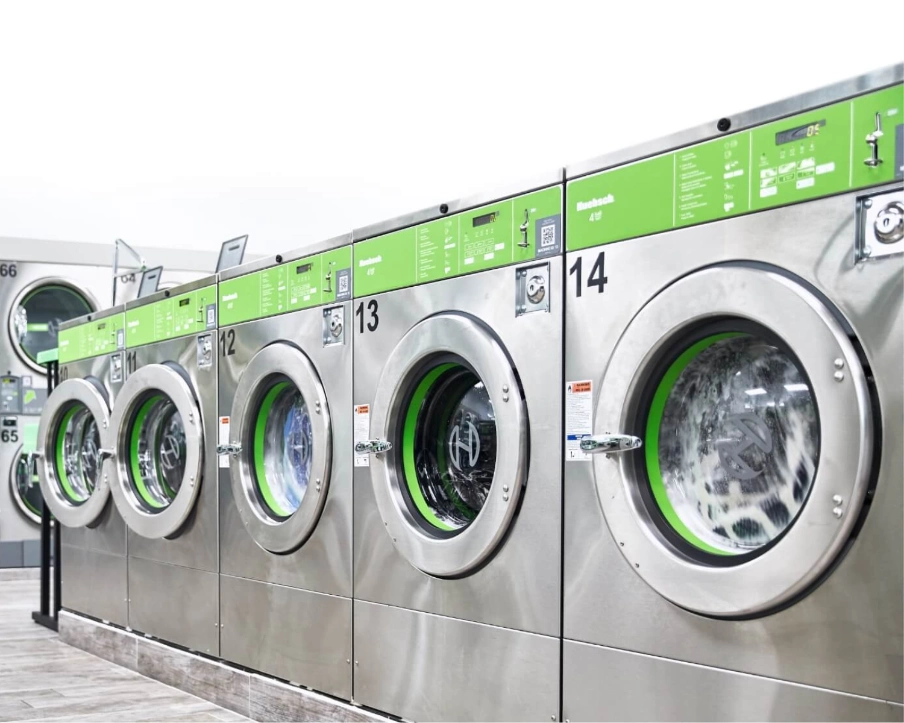
Installation costs depend heavily on the building. A space that previously operated as a laundromat may already have suitable plumbing, electrical connections, and ventilation, while a converted retail property could require extensive upgrades. Even the placement of machines affects how water lines, drains, and electrical connections are arranged. Working with a knowledgeable commercial laundry equipment distributor during the planning stage can help identify these requirements before construction begins.
Some commercial spaces already have infrastructure suitable for laundry operations. Others require significant renovations before the first machine can be installed.
In addition to construction expenses, owners may need to budget for signage, flooring, seating, payment systems, security equipment, insurance, and business permits.
The following table summarizes the main startup expenses and the questions worth asking before investing.
Laundromat profits depend on local pricing, machine usage, operating hours, and expenses. Even two similarly sized locations can produce very different financial results.
In a self-service laundromat, most revenue typically comes from customers using washers and dryers. Additional services or amenities may provide income, but the core self-service operation needs to support the business financially.
Before estimating annual earnings, calculate how much revenue each machine could realistically generate.
Consider a hypothetical laundromat with 20 washers, each completing four paid cycles per day at $5 per wash. Under those assumptions, the estimated washer revenue would be:
20 washers × 4 cycles × $5 = $400 per day
Over 30 days, that equals approximately $12,000 in monthly washer revenue.
These figures represent gross washer revenue, not profit. They exclude dryer income and assume consistent daily usage, although actual customer demand will vary.
From that amount, an owner must still pay for utilities, rent, staffing, equipment expenses, maintenance, and other obligations.
For a more complete projection, use the U.S. Small Business Administration’s break-even calculator to estimate the sales volume needed to cover your costs.
The most useful projections include conservative, expected, and optimistic scenarios. That way, you’re not building the entire business plan around perfect operating conditions.
Return on investment (ROI) helps owners evaluate earnings relative to the money invested. For a simple annual estimate, divide annual net profit by the initial investment and multiply by 100. As a hypothetical example, a laundromat requiring $300,000 upfront and generating $30,000 in annual net profit would have a simple annual ROI of 10%.
That figure provides a starting point, but it doesn’t tell the whole financial story. Financing costs, taxes, depreciation, equipment replacement, and owner compensation can affect actual returns. A laundromat may also generate profits for several years before recovering its initial investment. Reviewing cash flow alongside the expected payback period gives owners a clearer understanding of the financial commitment.
Planning a Laundromat Investment?
Choosing the right equipment is an important part of your startup budget. Southeastern Laundry Equipment can help you explore commercial washers, dryers, and installation requirements for your new business.
Discuss Your Laundromat Equipment NeedsOnce a laundromat opens, recurring expenses become a major part of financial management. Rent and insurance may remain relatively predictable, while utility consumption and maintenance costs can change with machine usage and equipment condition.
Water, electricity, and gas are among the most important recurring expenses in a laundromat. Every wash cycle uses water, while heating and drying add to energy consumption. These costs accumulate throughout the day, especially in locations with high machine usage. For that reason, equipment efficiency deserves attention before making a purchase, not just after the first utility bills arrive.
According to ENERGY STAR, certified commercial clothes washers use approximately 45% less water and are about 9% more energy efficient than comparable standard models. Actual savings depend on usage, local utility rates, and equipment specifications. When comparing machines, consider the long-term water and energy consumption of washers alongside the energy requirements of dryers. Even relatively small differences in operating costs can add up over years of regular use.
Self-service laundromats may require fewer employees than other service businesses, but they still need regular attention. Someone must clean the premises, assist customers, monitor machine availability, and keep the space organized. During busy periods, even simple responsibilities like emptying trash, maintaining folding areas, and responding to payment problems can take considerable time. Owners should decide which tasks they’ll handle themselves and which responsibilities require additional staff.
Beyond labor, rent, insurance, security, payment processing, and cleaning supplies contribute to monthly operating expenses. Owners who plan to manage the business themselves should also account for the value of their time. Treating personal labor as free can make the business appear more profitable than it actually is.
Maintenance and repairs should have a dedicated place in every laundromat’s operating budget. Even well-maintained machines can develop problems, and the cost of addressing them depends on the equipment, replacement parts, and work required. Owners should plan for both routine servicing and unexpected repairs rather than treating every equipment issue as an unusual expense.
Southeastern Laundry Equipment provides commercial laundry equipment repair and scheduled maintenance support. Having a service provider identified before problems arise gives owners a clearer way to request professional assistance when their machines need attention.
Opening near an established laundromat means competing with a business that may already have loyal customers, convenient parking, and a familiar reputation in the neighborhood. Apartment communities with their own laundry rooms can also influence local demand. Before choosing a location, it’s worth understanding which laundry options residents already use and whether those businesses are meeting their needs.
Competition isn’t necessarily a reason to avoid an area. Existing laundromats may indicate demand for self-service laundry, but owners still need to identify what their business could offer customers. Convenient access, suitable machine capacities, and a comfortable experience can all influence where people choose to do their laundry.
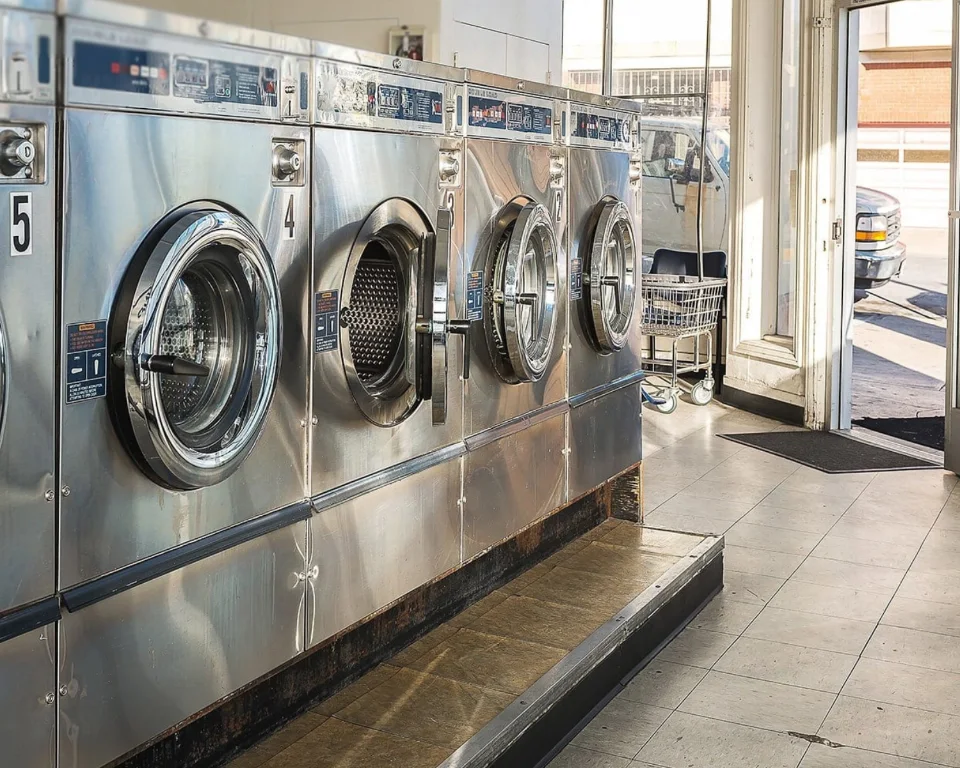
Before selecting a property, examine the surrounding residential population, housing types, transportation patterns, and existing laundry options.
Areas with rental housing and households without convenient access to personal washers and dryers may offer opportunities. However, population numbers alone won’t reveal how many people are likely to become paying customers.
Visit nearby laundromats at different times and observe machine availability, cleanliness, pricing, and customer traffic.
Pay attention to what customers experience when they visit, too. Is parking accessible? Are customers carrying bulky laundry long distances? Do existing businesses have enough large-capacity machines?
These observations can help shape a more realistic business plan.
A laundromat doesn’t necessarily need elaborate amenities to compete with established businesses. Customers appreciate practical conveniences, such as accessible parking, clear payment instructions, clean folding areas, and enough space to move laundry between machines. These details can make a routine chore easier, especially for customers handling several loads at once.
Store layout matters, too. When washers, dryers, and folding tables are arranged thoughtfully, customers can move through their laundry routine without unnecessary congestion. Combined with convenient operating hours and reasonable pricing, these improvements can help a laundromat offer a more comfortable experience than nearby alternatives.
Buying commercial laundry equipment is only the beginning of the investment. Once a laundromat opens, those machines need regular attention to keep performing as expected. Daily use places demands on mechanical components, plumbing connections, and payment systems, making ongoing service an important part of business planning. Thinking about maintenance and repair support before opening can help owners prepare for the responsibilities that come with operating commercial equipment.
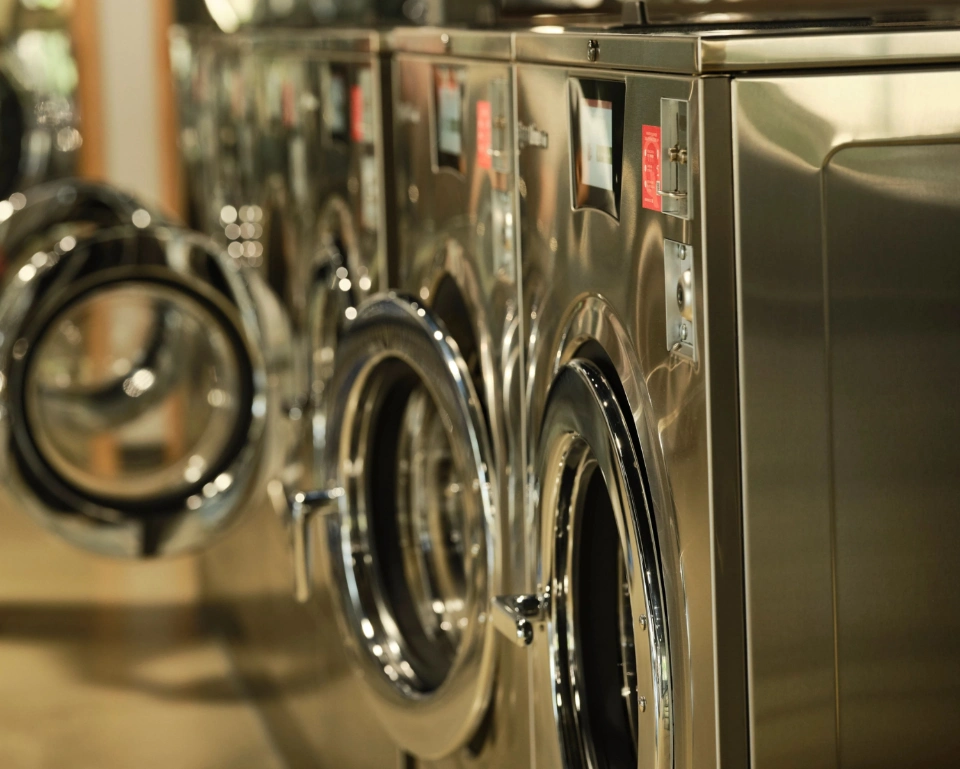
Preventive maintenance helps owners identify equipment problems before they interrupt daily operations. A washer that drains slowly, for example, may have a developing blockage or another issue that needs attention. Depending on the manufacturer’s recommendations, maintenance can include inspecting connections, cleaning applicable components, checking drainage, and evaluating mechanical performance. Addressing these concerns early may prevent minor issues from developing into more disruptive repairs.
A maintenance schedule also makes it easier to coordinate service around the laundromat’s operating hours. While staff can handle appropriate routine cleaning and visual checks, qualified technicians should perform work requiring specialized knowledge. Regular inspections won’t eliminate every breakdown, but they can help owners manage equipment condition more consistently and plan necessary repairs before problems become more serious.
A machine breakdown can be particularly disruptive during a laundromat’s busiest hours. Imagine a Saturday morning when several customers arrive with large loads, only to find that one of the larger washers is out of service. Smaller machines may still be available, but they might not accommodate those loads efficiently. Situations like this can create longer waits and lost sales, making timely commercial laundry equipment repair an important part of protecting revenue.
Before choosing an equipment supplier, ask about technician availability, replacement parts, warranty coverage, and maintenance agreements. Southeastern Laundry Equipment provides repair assistance, parts support, and scheduled maintenance programs across its service areas. Having access to experienced technicians can help owners address equipment problems without maintaining their own technical repair staff.
Keep Your Laundromat Running Smoothly
Equipment problems shouldn’t catch you unprepared. Explore Southeastern Laundry Equipment’s repair and preventive maintenance services to help protect your machines and keep your business operating.
Explore Commercial Laundry Equipment ServiceThe distributor you choose can influence your laundromat long after the machines are installed. Beyond helping you select washers and dryers, a distributor may assist with installation planning, equipment servicing, and future upgrades. That relationship becomes particularly important when you need replacement parts or professional repairs. Before making a decision, find out what support is available after the sale and whether the distributor has technicians familiar with the equipment you’re purchasing.
Two equipment quotes may look similar until you compare what’s included. One may cover installation assistance or additional warranty support, while another leaves those expenses to the owner. Machine capacity, utility consumption, service availability, and replacement parts also deserve attention. Reviewing these details helps you understand the overall investment rather than judging equipment by its purchase price alone.
Experience with vended laundry operations is another consideration. A distributor familiar with laundromats can help evaluate machine configurations, installation requirements, and maintenance needs. Southeastern Laundry Equipment provides commercial washers and dryers, purchasing and leasing options, and ongoing service support. These resources give owners a way to evaluate equipment alongside the technical assistance they may need as their business grows.
Purchasing equipment outright may appeal to owners who have sufficient capital and want direct ownership. Leasing offers a different payment structure, which can help preserve funds for renovations, utilities, and other startup expenses. Depending on the agreement, leasing may also include certain installation, service, or parts provisions. Neither option is automatically more profitable, so owners should compare total costs, payment obligations, and equipment replacement terms before making a commitment.
Maintenance coverage deserves separate consideration. Owners purchasing equipment may choose a service agreement to help manage ongoing maintenance expenses. However, scheduled maintenance doesn’t automatically include repairs or equipment failures. Reviewing the agreement’s coverage, exclusions, and responsibilities can help owners understand which expenses remain their responsibility.
Some of the most expensive laundromat mistakes happen before the business opens. A property may look ideal until an inspection reveals that its plumbing, drainage, or electrical capacity needs major upgrades. Similarly, a location with strong foot traffic may not generate enough laundry customers to support the rent. Researching local demand and verifying building requirements can help owners avoid committing to a property that exceeds their budget.
Financial planning should also account for slower periods and unexpected operating expenses. Using conservative revenue projections, maintaining cash reserves, and arranging professional equipment support can provide greater flexibility when business conditions change. Although no investment is risk-free, understanding these potential challenges before opening puts owners in a better position to make informed decisions.
Opening a laundromat can be a worthwhile investment when the location, customer demand, and operating costs support a sustainable business. The financial opportunity is real, but so are the responsibilities. From choosing the right machines to managing utilities and preparing for repairs, the decisions made before opening can influence how the business performs for years.
Having knowledgeable equipment support is one way to approach those decisions with greater confidence. Southeastern Laundry Equipment helps laundromat owners evaluate commercial washers and dryers, plan installations, and arrange ongoing maintenance and repair support. Whether you’re preparing to open your first location or considering improvements to an existing store, discussing your equipment needs with an experienced distributor can help you plan your next steps.
Opening a laundromat can be a good investment for beginners who research local demand, understand operating costs, and have enough capital to cover startup expenses. While self-service laundromats may require fewer employees than other businesses, they still need regular cleaning, equipment maintenance, and financial oversight. First-time owners should also consider working with an experienced commercial laundry equipment distributor to help plan their equipment needs.
Laundromat startup costs vary depending on the location, property condition, equipment capacity, and renovation requirements. Major expenses include commercial washers and dryers, plumbing, electrical work, ventilation, permits, and lease deposits. Owners should also set aside working capital for utilities, maintenance, and unexpected repairs. Before investing, obtaining equipment quotes and evaluating the property’s existing infrastructure can help establish a more realistic budget.
A laundromat may become operationally profitable before its owner recovers the initial investment. The timeline depends on customer traffic, pricing, rent, financing, and monthly expenses. A location with steady demand and manageable operating costs may reach its break-even point sooner than one with expensive renovations or slower customer growth. Comparing conservative and optimistic revenue projections can help owners estimate profitability without relying on unrealistic expectations.
Water, electricity, gas, rent, and equipment maintenance are among the main laundromat operating expenses. Labor, insurance, payment processing, and cleaning supplies also contribute to monthly costs. Utility consumption is particularly important because washers and dryers operate repeatedly throughout the day. Choosing efficient commercial laundry equipment and following a preventive maintenance schedule can help owners manage expenses and reduce avoidable equipment problems.
Commercial laundromat equipment should be maintained according to the manufacturer’s recommendations, machine usage, and operating conditions. Routine inspections may involve checking drainage, inspecting components, and identifying signs of wear. High-use equipment may require more frequent attention. Southeastern Laundry Equipment provides commercial laundry equipment repair and scheduled maintenance support, helping laundromat owners establish a service approach suited to their machines and business needs.
Buying commercial laundry equipment provides direct ownership but generally requires more upfront capital. Leasing can spread equipment costs over time, potentially preserving funds for renovations and other startup expenses. Depending on the agreement, certain service or maintenance provisions may also be included. Southeastern Laundry Equipment offers purchasing and leasing options, allowing prospective owners to explore arrangements that fit their budgets and long-term operating plans.