
Choosing the right laundry payment system can make a shared laundry room easier to use, easier to manage and more valuable to a multi-family housing community. The best option depends on who uses the equipment, how the property operates and how much flexibility residents need when it is time to pay.
For property managers and owners, payment technology is no longer a small detail attached to the washer or dryer. Instead, it affects resident convenience, staff workload, cash handling, security and the overall perception of the laundry amenity. A system that works well in a student housing community, for example, may create unnecessary friction in a senior living property. Likewise, a coin-only setup may still work in one apartment community while feeling outdated in another.
The goal, then, is not to choose the newest payment method simply because it is available. The goal is to match the payment system to the people, infrastructure and operating priorities of the property.
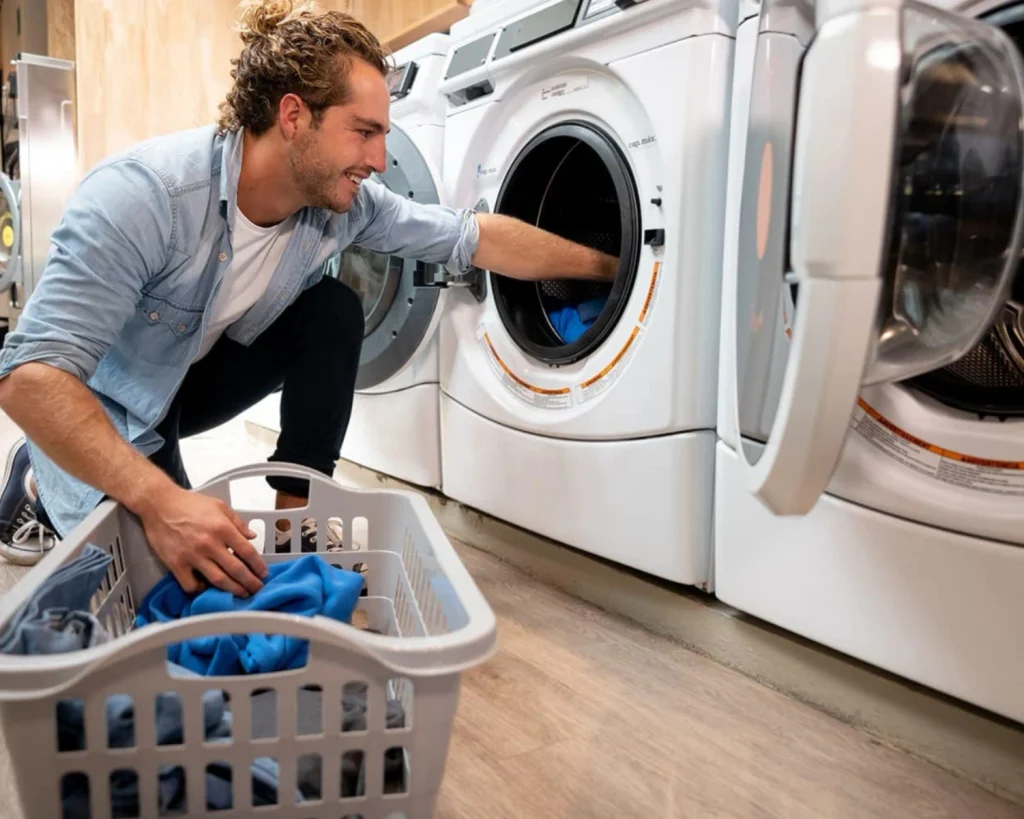
A strong laundry payment system should make routine laundry simple without creating unnecessary work for property staff. In multi-family housing, that usually means balancing convenience with accessibility.
Before comparing coin, card and app-based systems, consider the makeup of the community. Are most residents comfortable using smartphones? Does the property have reliable internet coverage in the laundry room? How often does staff currently collect coins or respond to payment-related issues? In addition, consider whether residents need more than one way to pay.
Payment behavior is increasingly digital, but cash has not disappeared. According to the Federal Reserve’s 2026 Diary of Consumer Payment Choice, debit and credit cards accounted for two-thirds of consumer payments, while cash still represented about one in seven payments. The report also found that adults age 55 and older and households earning less than $25,000 relied more heavily on cash than other groups. That makes payment flexibility especially useful in residential communities with diverse demographics.
For many owners, the practical choice is not simply “coin or digital.” Instead, it is deciding how much payment flexibility the laundry room should provide.
| Payment Option | Best Fit | Main Advantages | Main Considerations |
|---|---|---|---|
| Coin | Properties with residents who prefer familiar payment methods | Simple to understand and no app required | Requires cash handling, collection and access to coins |
| Card or Tap-to-Pay | Apartment communities and senior living properties | Familiar, fast and cashless | Requires compatible readers; connectivity needs vary by system |
| Mobile App | Student housing and tech-oriented communities | Convenient payments, alerts and digital account features | Requires a smartphone and some resident onboarding |
| Hybrid | Diverse multi-family communities | Gives residents more than one way to pay | Requires planning for multiple payment methods |
The right system may also change over time. For example, an apartment property can begin with a hybrid setup and later adjust the mix after management sees which payment methods residents actually use.
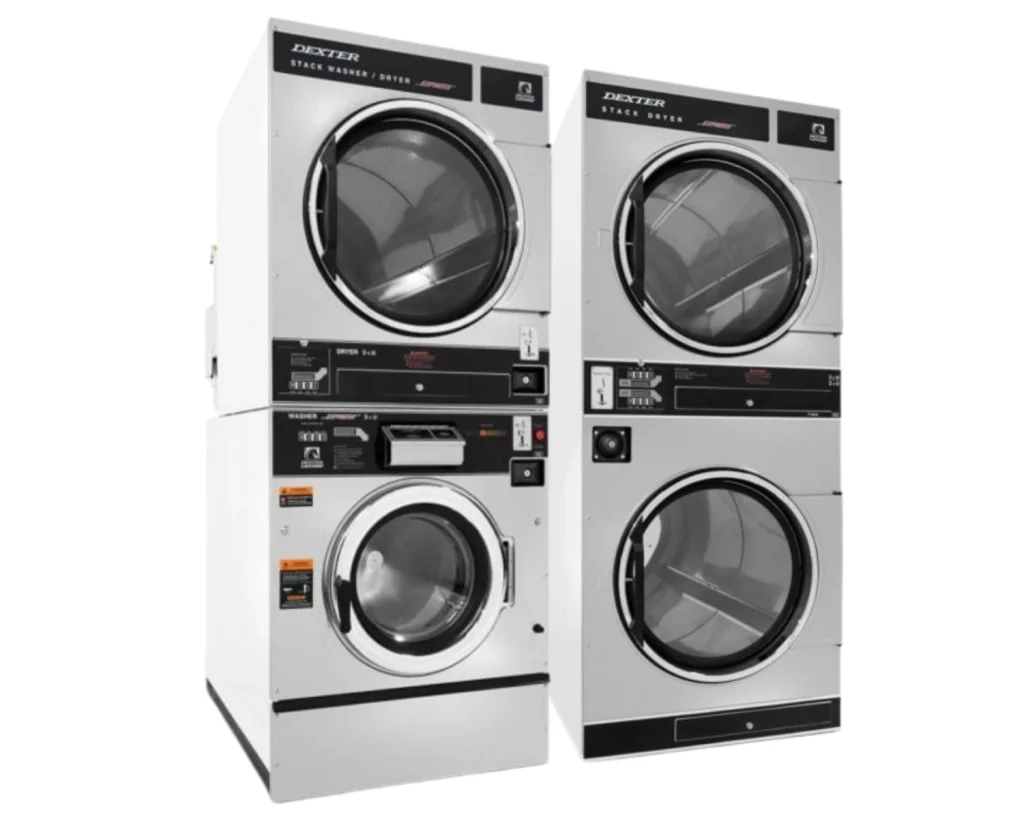
Traditional apartment communities usually include residents with different ages, incomes, schedules and technology preferences. Consequently, a hybrid apartment laundry payment system can be a practical fit because it avoids forcing every resident into the same payment behavior.
A resident who prefers a mobile wallet may want to start a washer with a phone. Another resident may prefer a credit or debit card. Meanwhile, someone else may still be most comfortable using coins. By supporting more than one option, a property can modernize the laundry room without making the amenity harder to access.
Hybrid systems are also useful during equipment upgrades. Rather than changing resident behavior overnight, management can introduce cashless laundry technology while maintaining a familiar backup method. As residents become comfortable with card or app payments, the property can evaluate actual usage and decide whether the payment mix should change.
For owners who plan to keep laundry equipment on premise, payment flexibility can be built into the equipment strategy from the beginning. Southeastern Laundry Equipment offers multi-family laundry payment systems that include coin, card, stored-value and app-based options. That gives owners more freedom to choose payment technology around their residents instead of designing the entire laundry room around one payment method.
The payment reader is only one part of the resident experience. Property managers should also consider how residents interact with the laundry room before, during and after a cycle.
App-based systems can add features such as machine-status information and cycle notifications. Card systems, on the other hand, can provide a straightforward cashless experience without requiring every resident to download an app. Hybrid setups can combine those benefits while preserving another payment choice.
The best approach is usually the one residents can understand quickly. If a payment system requires a long explanation posted on the wall, repeated office assistance or frequent troubleshooting, the convenience benefit begins to disappear. Payment should feel like a natural part of using the washer or dryer, not another task residents have to figure out before they can start a load.
Not sure which payment setup fits your property?
Compare coin, card, mobile and flexible payment options designed for shared laundry rooms in multi-family housing.
Explore Laundry Payment SystemsCollege campuses and student housing communities often serve residents in age groups with particularly high smartphone adoption. According to Pew Research Center, 97% of U.S. adults ages 18 to 29 owned a smartphone in its 2025 survey. That figure does not mean every college student prefers to pay for laundry through an app, but it does show that most people in this age group already have access to the technology needed to use one. For campus housing teams, that makes mobile payment a practical option to consider alongside card or other backup methods.
For students, the appeal goes beyond paying for a washer. A well-designed mobile payment platform may allow users to add funds digitally, check equipment availability or receive cycle notifications, which can reduce unnecessary trips to the laundry room. Property teams can benefit from the same technology because many digital systems also provide transaction and usage data. Over time, that information can help housing teams identify peak laundry periods, spot heavily used machines and make more informed equipment decisions.
A convenient laundry experience also supports the larger goal of making shared amenities easy to use. For residents who already prefer smartphone-based payments, a mobile laundry option can reduce the need to carry coins or a separate laundry card. At the same time, properties should consider whether a backup payment option would improve accessibility for residents who cannot or prefer not to use an app.
Although mobile payment can work well on campuses, the technology still depends on the environment around it. A laundry room in a basement, older residence hall or concrete-heavy building may have weak wireless connectivity, so property teams should verify network conditions before making an app the primary payment method. It is also worth planning for situations in which a resident has a dead phone, an outdated device or a temporary connectivity problem. A backup card or another payment option can reduce frustration while preserving the convenience of a digital-first setup.
Before installation, property managers should test the actual laundry room rather than assuming that strong Wi-Fi elsewhere in the building means payment devices will perform reliably. This small step can prevent larger resident-service issues later.
Senior living communities often benefit from a different approach. While smartphone use among older adults has increased substantially, technology adoption still varies by age. Pew’s 2025 data showed that 78% of adults age 65 and older owned smartphones, compared with 97% of adults ages 18 to 29.

For that reason, an app-only payment setup in a senior living community may create avoidable barriers. A resident may own a smartphone but still prefer not to download another app, create an account, manage passwords or connect a payment method.
Card-based systems and simple tap-to-pay readers can provide a useful middle ground. They reduce the need for quarters while keeping the payment process familiar. In addition, clearly labeled readers, large instructions and a consistent process from machine to machine can make the laundry room easier to navigate.
Dedicated reloadable laundry cards may also work well in some communities, especially when residents want a cashless option without relying on a smartphone. Management should still consider how residents add funds, what happens if a card is lost or damaged and whether assistance is readily available. In senior living settings, simplicity should guide the decision because advanced features only add value when residents can use them confidently.
At the same time, simplicity does not mean a property has to remain coin-only. A straightforward card-operated laundry system can give residents the benefits of cashless payment without introducing unnecessary steps. This allows senior living operators to modernize the laundry room while keeping accessibility at the center of the decision.
Resident convenience matters, but property operations matter too. Owners should also evaluate the labor and risk connected to each payment method.
Coin-operated machines require someone to collect, count, transport and deposit cash. Coin mechanisms can also jam, and residents may report problems when they do not have the correct change. Cashless laundry systems can reduce those tasks because payments are processed electronically.
In addition, card and mobile systems can provide better visibility into laundry activity. Depending on the platform, management may be able to review revenue, cycle counts or usage patterns without manually checking each machine.
Security is another consideration. Removing or reducing stored cash in a shared laundry room can lower the attractiveness of coin boxes as theft targets. However, digital systems introduce their own requirements, including secure payment processing, reliable equipment and dependable connectivity. The best choice depends on the full operating picture, not convenience alone.
Want help narrowing down the right setup?
Southeastern Laundry Equipment can help you evaluate your resident mix, property needs and available payment technology for an on-site laundry room.
Discuss Your Laundry Room NeedsProperty managers do not need to compare every reader, app feature or payment platform before narrowing down their options. Start with the property itself: who lives there, how the laundry room operates and what management wants to accomplish. The following five questions can quickly rule out poor fits and make the remaining options easier to compare.
1. Who are the residents?
Start with demographics and payment habits. A student community may be a strong candidate for app-based payments, while a mixed-age apartment property may benefit from hybrid payments. A senior community, meanwhile, may need a simpler card-based approach.
2. How reliable is internet or wireless connectivity?
Next, test the laundry room itself rather than assuming the building has adequate coverage. App-based and connected payment systems work best when network connectivity is stable.
3. What security concerns exist?
Consider current cash handling, coin-box access and the location of the laundry room. If coin collection creates risk or repeated staff work, moving more transactions to cashless options may help.
4. How much staff time goes into laundry operations?
Then, calculate the time spent collecting money, helping residents with payment problems and reviewing machine use. A payment upgrade can be valuable when it removes recurring manual tasks.
5. What are the property’s revenue and amenity goals?
Finally, decide what the laundry room should accomplish. Some properties mainly want a dependable resident amenity. Others also want better reporting, more flexible vend pricing or a more modern experience that supports the overall value of the community.
After answering those questions, compare systems based on fit rather than features alone. The platform with the longest feature list is not automatically the best platform for the property.
A laundry payment system works best when residents barely have to think about it. They should be able to enter the laundry room, understand how to pay and start a machine without unnecessary steps.
For diverse multi-family housing communities, hybrid payment systems often offer the strongest balance because they support both familiar and digital methods. For college campuses, mobile apps can be a practical option because smartphone access is especially high among younger adults, while features such as cycle notifications can make shared laundry more convenient. For senior living communities, card and tap-to-pay systems can modernize payment while keeping the experience straightforward.
However, payment technology should never be chosen in isolation. Equipment reliability, room layout, connectivity, serviceability and resident demographics all affect the result. For that reason, owners planning an on-premise laundry room should evaluate the entire system together.
Southeastern Laundry Equipment works with multi-family housing properties on commercial laundry equipment and payment technology. Importantly, communities that want to own and operate their equipment on site can explore direct-purchase options rather than being limited to a single ownership or payment model.
If you are planning a new laundry room, replacing aging equipment or updating payment technology, the next step is to compare options against your property’s actual resident profile and operating needs.
Find the right laundry payment system for your property
Talk with Southeastern Laundry Equipment about commercial laundry equipment and payment options for apartments, student housing and senior living communities.
Talk With a Laundry Equipment SpecialistThe best laundry payment system depends on the property’s resident mix, technology setup and operational goals. A hybrid system can work well in diverse apartment communities because it gives residents more than one way to pay. Properties with more digitally oriented residents may prefer card or mobile options.
There is no single payment method that works best for every property. Coin systems are familiar, card systems reduce the need for quarters, and app-based systems can add features such as digital payments, machine availability and cycle notifications. For many multi-family communities, a combination of payment options offers the most flexibility.
A cashless laundry payment system allows residents to pay without inserting coins into the machine. Depending on the setup, residents may use a credit or debit card, reloadable laundry card, mobile app or another digital payment method. Some systems also provide property managers with transaction and usage data.
Mobile payment apps can be a practical option for college campuses and student housing because smartphone ownership is especially high among younger adults. Depending on the platform, students may be able to add funds, check machine availability and receive cycle notifications. Properties should also consider network reliability and whether a backup payment method is needed.
Senior living communities often benefit from payment options that are simple and easy to use. Card readers, tap-to-pay systems and reloadable laundry cards can offer cashless convenience without requiring every resident to use a smartphone app. Accessibility, resident comfort with technology and available staff support should all be considered.
Yes. Southeastern Laundry Equipment works with multi-family housing properties and offers commercial laundry equipment with several payment technology options. Property owners can explore coin, card, stored-value and mobile solutions based on their residents, equipment and laundry room setup. Southeastern Laundry can help properties compare options and choose a laundry payment system that fits their needs.