
A commercial washer needs service when routine cleaning no longer fixes odors, slow drainage, leaks, loud cycles, or clothes that still smell musty after a wash. At first, these problems may look like simple cleaning issues. However, in high-use laundry rooms, they can quickly point to worn parts, drainage restrictions, chemical buildup, sensor issues, or deeper mechanical problems that need professional attention.
For property managers, laundromat owners, hospitality teams, healthcare facilities, gyms, fire departments, and multi-housing communities, a washer that underperforms is more than a minor inconvenience. It can create complaints, slow down daily operations, increase labor, and reduce confidence in the laundry room. When users expect clean, fresh laundry and the machine does not deliver, the issue can affect both customer satisfaction and staff productivity.
DIY cleaning still has an important place in laundry room care. Wiping gaskets, cleaning detergent drawers, running approved tub-clean cycles, and keeping doors open between uses can help reduce residue and moisture. Even so, cleaning has limits. When the same odor, leak, drainage issue, or wash-quality problem keeps coming back, professional laundry equipment service can help identify the cause before the machine fails during peak use.
Southeastern Laundry Equipment supports commercial laundry operations with repair, scheduled maintenance, service agreements, parts support, and technician service throughout Georgia, Florida, Alabama, Tennessee, and the Carolinas. The goal is not to replace good in-house care. Instead, it is to help owners and facility teams keep on-premise laundry equipment dependable for the people who use it every day.
Seeing the same washer problem come back after cleaning?
If odors, leaks, slow drainage, or musty laundry keep returning, a professional service request can help identify the cause before the machine goes down.
Request Commercial Washer Service
Routine cleaning is useful, but it mainly handles surface-level problems. It can remove lint, detergent film, light odors, and visible grime from the areas staff can reach. However, it cannot always correct what is happening behind the panel, inside the drain path, around the pump, beneath the gasket, or within the machine’s control system. That is why a washer can look clean from the outside while still struggling to drain, rinse, extract, or complete cycles correctly.
In high-use facilities, commercial washers often run far more cycles than residential machines. In many laundry rooms, they may handle heavy loads throughout the day, which means small issues can build up quickly. Detergent residue, hard water minerals, lint, debris, and moisture can combine inside the machine and affect water flow, drainage, wash quality, and odor control. In addition, repeated heavy loads can strain bearings, belts, valves, seals, door locks, hoses, and suspension components.
Professional service is especially helpful when the same issue appears again after cleaning. For example, a musty smell that returns within days may not be coming from the tub alone. It may come from trapped water, a clogged filter, a drain issue, or mold around hidden components. Likewise, slow drainage may not improve with a cleaning cycle because the real problem could be a pump restriction or drain line concern.
A trained technician can inspect the machine as a complete system, including the washer, plumbing connections, drain performance, chemical use, cycle settings, and visible wear. Because of that, service can often solve the real problem rather than temporarily masking it.
A clean washer should not make clean laundry smell worse. If users complain about a sour, musty, or rotten odor after washing, the machine may need more than another cleaning cycle. Odors often start with moisture, especially in front-load washers where water can collect around gaskets, detergent dispensers, and low points in the tub.
However, the smell may not be coming from one visible area. Commercial laundry rooms can also develop odor issues from clogged filters, blocked drains, poor ventilation, overuse of detergent, or chemical imbalance. Staff may try vinegar, an approved washer cleaner, or a hot cleaning cycle, and those steps may help when the odor is new and mild. When odors return quickly, though, the problem may be deeper and should be checked before it affects more loads.
Musty laundry after a full cycle is a strong warning sign because it means the washer may not be rinsing, draining, extracting, or cleaning correctly. In some cases, the machine may be leaving too much moisture in the load. In others, detergent or soil may remain because water levels, temperature, or cycle action are not performing as expected.
For laundromats, this can affect customer satisfaction immediately. For hotels, assisted living communities, healthcare facilities, and apartment communities, it can also create extra labor because items may need to be rewashed. Therefore, if clean laundry repeatedly smells stale, it is better to schedule a professional inspection before the issue becomes a pattern.
CTA Button: Schedule Laundry Equipment Repair
Slow drainage is one of the clearest signs that a commercial washer needs service. When a washer drains slowly, cycle times stretch longer, loads may finish wetter than usual, and users may start noticing standing water, error codes, or repeated interruptions. At that point, the issue is no longer just annoying. It can affect the flow of the entire laundry room.
Several problems can cause slow drainage. Lint, coins, small fabric pieces, or debris may restrict the drain path, while the pump, drain hose, or connected plumbing may also be involved. Although staff can check visible areas, commercial machines often need a technician to inspect the full drainage system safely and correctly. If water cannot leave the machine efficiently, the washer may struggle during extraction, dryers may have to work harder, and total laundry turnaround time may increase.
| Warning Sign | What It May Mean | When to Schedule Service |
|---|---|---|
| Water remains in the drum | Drain restriction, pump issue, or control problem | If standing water appears again |
| Loads finish wetter than normal | Poor extraction or drainage trouble | When drying time increases |
| Drain-related error codes appear | Machine detects an operating fault | As soon as the code repeats |
| Gurgling or slow emptying | Drain line or pump pathway concern | Before peak laundry periods |
| Odor follows slow drainage | Standing water or trapped residue | Immediately if odor returns |
Because drainage issues can affect multiple parts of the laundry process, timely service can prevent a minor slowdown from becoming a full outage.
Slow drains, wet loads, or repeat error codes?
Drainage problems can affect wash quality, drying time, and machine uptime. Southeastern Laundry Equipment can inspect the issue and recommend the right repair.
Schedule Laundry Equipment RepairA little moisture around the door gasket is common, especially in front-load washers. However, visible mold, black residue, sticky buildup, or recurring mildew should be taken seriously because it can affect odor, cleanliness, and the overall user experience. Surface cleaning may remove what staff can see, but it may not solve the reason the buildup keeps returning.
If mold comes back after cleaning, the machine may be holding moisture where staff cannot reach. The gasket may be worn, damaged, folded, or trapping debris, and the washer may not be draining fully between cycles. In some laundry rooms, poor airflow can also make the problem worse. The CDC advises caution when using cleaning chemicals and notes that bleach should never be mixed with ammonia or other cleaners. For commercial settings, staff should always follow the machine manufacturer’s care instructions and facility safety procedures when cleaning mold or mildew.
The gasket helps seal the washer door during operation. When it wears down, tears, loosens, or traps heavy buildup, it can lead to leaks, odors, and poor user experience. Moreover, a damaged gasket may allow moisture to collect in hidden areas.
A professional technician can inspect the gasket, clean difficult areas, and determine whether replacement is needed. In many cases, gasket service is a practical step that helps improve odor control and reduces the chance of water escaping during operation.
Detergent residue may seem harmless at first, but it can create bigger problems over time. Too much detergent, incorrect chemical dosing, hard water, low water flow, or poor rinsing can leave residue inside dispensers, hoses, valves, and the tub. In a busy laundry room, that buildup can lead to sticky drawers, cloudy glass, musty smells, visible film, and clothes that feel stiff or look dull.
Staff can clean trays and wipe visible residue, but if buildup returns quickly, the washer may need a service inspection. A technician can look for dosing problems, water inlet issues, valve trouble, rinse performance concerns, or heavy buildup that may affect certain machine components or restrict water movement. This is especially important for facilities with on-premise laundry equipment, where hotels, gyms, spas, healthcare facilities, and fire departments need consistent wash quality every day.
CTA Button: Ask About Scheduled Maintenance
Commercial washers are not silent, but they should sound consistent from one cycle to the next. New grinding, banging, squealing, rattling, or thumping sounds can point to mechanical wear, installation issues, load imbalance, or objects trapped inside the machine. While one noisy load may come from overloading or uneven distribution, repeated noise should not be ignored.
In many cases, noise gets worse with time. A washer may be out of level, affected by worn bearings, dealing with a belt problem, or showing early signs of suspension trouble. Scheduling service when the sound first becomes noticeable can help prevent more downtime later and may keep a small repair from becoming a more disruptive equipment failure.
Strong vibration can affect nearby machines, flooring, plumbing connections, and user confidence. It can also cause the washer to move, shake, or stop mid-cycle. While load balance plays a role, repeated vibration may mean the machine needs leveling, suspension service, bearing inspection, or foundation review.
A service visit can help separate simple user behavior from equipment trouble. As a result, operators can make a practical decision instead of guessing.
Any leak should be treated as urgent because even a small amount of water can damage flooring, create slip risks, affect nearby machines, and disrupt the laundry room. Leaks may come from hoses, valves, gaskets, drain connections, dispensers, pumps, or internal seals. Sometimes, staff can identify a loose visible hose, but many commercial washer leaks are not easy to trace without opening panels or testing the machine during fill, wash, drain, and spin cycles.
If water appears under or around the washer, pause use when appropriate and request service. A technician can inspect the source, help prevent repeat leaks, and identify worn hoses, weak seals, or loose connections before the problem reaches the floor again. For property managers and facility teams, it also helps to document when the leak started, which cycle was running, and where water appeared.
When a washer is working correctly, laundry should come out clean, rinsed, and ready for proper drying. If clothes, linens, towels, uniforms, or other washable items still smell, feel soapy, show residue, or look poorly rinsed, the washer may need service. Poor wash results can come from user habits, such as overloading or using too much detergent, but in commercial settings, the machine itself may also be part of the problem.
Water temperature, water level, chemical dosing, agitation, extraction, and drainage all affect results. Energy-efficient commercial washers can support lower water and energy use, but performance still depends on proper installation, maintenance, and operation. ENERGY STAR notes that certified commercial clothes washers are, on average, 9% more efficient and use about 45% less water than standard models. If your facility invested in commercial laundry equipment, it should support the daily workload, so poor results should not be accepted as normal.
Repeated DIY cleaning can become expensive in its own way. Staff spend time running extra cycles, wiping the same areas, handling complaints, and re-washing loads, while the underlying issue may continue to grow. Over time, that can cost more than a timely service visit because the machine is still not performing the way the facility needs it to.
Preventive maintenance helps reduce guesswork. During a service visit, a technician can inspect key components, look for wear, check drainage, review error codes, evaluate machine performance, and recommend next steps. This approach can help operators plan repairs instead of reacting to sudden breakdowns. Southeastern Laundry Equipment offers service support, service agreements, and scheduled maintenance options for businesses that depend on commercial laundry equipment and want a more predictable plan for equipment care.
Want fewer surprise washer problems?
Scheduled maintenance can help catch wear, drainage issues, leaks, and buildup before they interrupt your laundry room during busy hours.
Ask About Scheduled MaintenanceUptime matters in every laundry environment. In a laundromat, an out-of-order washer can mean lost turns and frustrated customers. In a hotel, it can slow housekeeping. In a multi-family property, it can increase resident complaints. In a healthcare or assisted living setting, it can put pressure on staff who already manage tight schedules.
Preventive maintenance does not eliminate every possible repair. However, it can help catch problems early, reduce avoidable downtime, and keep machines operating more consistently.
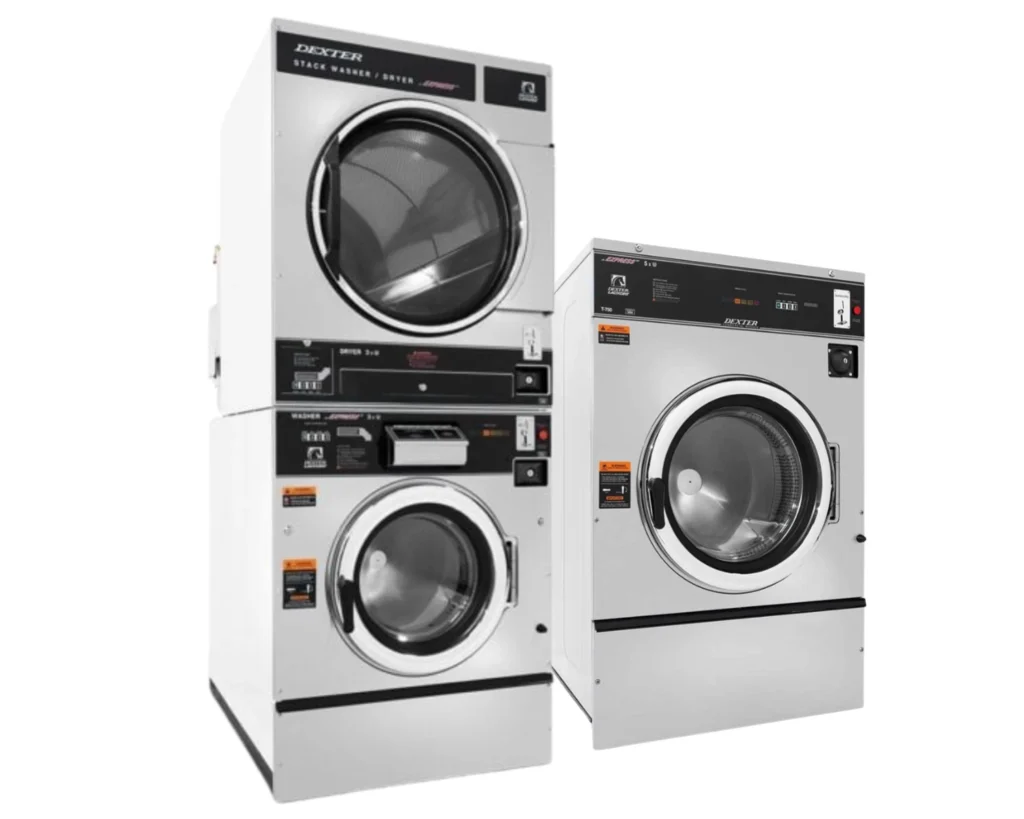
A service visit should be practical, focused, and tied to the problem the facility is experiencing. Although the exact work depends on the machine and symptoms, a technician may inspect the drain system, look for leaks, check hoses and valves, review door gaskets, test cycle operation, clean accessible buildup, check filters, review error codes, and identify worn parts.
The technician may also discuss load habits, detergent use, and maintenance timing with your team. These conversations are useful because commercial laundry performance depends on both equipment condition and daily operation. For example, if staff regularly overload a washer, service may solve the mechanical issue while training helps prevent the same strain from returning. Southeastern Laundry Equipment positions service as part of the equipment lifecycle because a laundry room is not finished after installation. It needs support, parts access, and maintenance over time.
Not every issue requires an emergency call. However, repeated symptoms should be taken seriously. If a problem affects safety, water control, wash quality, or machine availability, it is time to act.
Use this simple guide:
If there is water on the floor, schedule service right away. If odors return after cleaning, schedule an inspection. If the washer drains slowly more than once, request service. If loud noises or vibration appear during spin cycles, stop guessing and have the machine checked. If customers, residents, guests, or staff keep reporting musty laundry, treat it as an equipment performance issue.
Also, consider how important the machine is to your operation. A small issue in a lightly used laundry room may be manageable for a short period. However, the same issue in a high-volume laundromat, hotel, gym, or healthcare facility can quickly affect daily workflow.
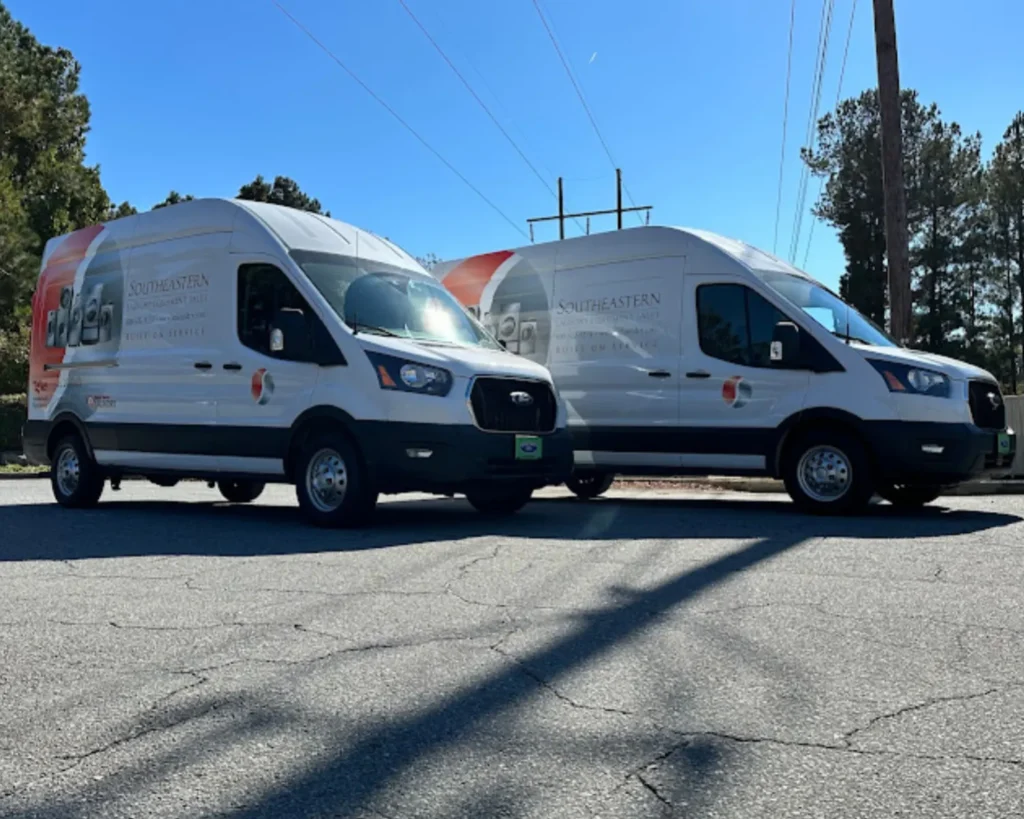
Southeastern Laundry Equipment works with commercial laundry operations that need equipment to perform day after day. The company supports laundromats, on-premise laundry facilities, and multi-housing laundry rooms with equipment, service, repair, parts, and maintenance support.
That service-oriented approach is important because washer problems rarely happen at a convenient time. When a machine goes down, owners and managers need clear communication, practical troubleshooting, and access to technicians who understand commercial laundry equipment.
Southeastern’s service support is designed for operators who want to keep their equipment on premise and working reliably. Rather than promoting outside laundry solutions, the focus is on helping your existing laundry room perform better. For many businesses and properties, that means fewer disruptions, more consistent wash quality, and better long-term equipment planning.
If your commercial washer needs service, Southeastern Laundry Equipment can help you move from repeated cleaning to a more complete diagnosis.
DIY cleaning is a smart part of laundry room care because it helps reduce residue, control odors, and keep machines more pleasant for users. However, cleaning is not a repair strategy. When odors, slow drainage, mold, detergent buildup, unusual noises, leaks, or musty laundry keep coming back, the washer is telling you something that should not be ignored.
The sooner you respond, the easier it may be to protect uptime and avoid larger disruptions. Southeastern Laundry Equipment offers service, repair, parts support, scheduled maintenance, and service agreement options for commercial laundry operations throughout Georgia, Florida, Alabama, Tennessee, and the Carolinas. If your commercial washer needs service, start with a professional request and get a clearer picture of what your equipment needs next.
Think your commercial washer needs service?
Southeastern Laundry Equipment can help you take the next step with commercial washer repair, maintenance support, parts, and service agreements.
Contact Southeastern Laundry EquipmentA commercial washer needs service when routine cleaning no longer fixes the problem. Common signs include musty odors, slow drainage, water leaks, loud spin cycles, detergent buildup, mold around the gasket, repeat error codes, or laundry that still smells after washing. If the same issue comes back after a cleaning cycle, it is time to schedule a professional inspection.
A commercial washer may still smell after cleaning because moisture, detergent residue, lint, or debris may be trapped in areas you cannot easily reach. The odor could also come from a clogged filter, slow drain, worn gasket, or standing water inside the machine. Southeastern Laundry Equipment can inspect the washer and help identify the source of the odor.
If your commercial washer drains slowly, avoid running repeated loads until the issue is checked. Slow drainage may point to a blocked drain path, pump issue, hose restriction, or connected plumbing problem. Since drainage problems can affect wash quality and drying time, scheduling commercial laundry repair is usually the safest next step.
Yes, recurring mold around the gasket can be a sign your commercial washer needs service, especially if it returns after cleaning. The gasket may be trapping moisture, holding debris, or showing signs of wear. A technician can inspect the gasket, clean hard-to-reach areas, and determine whether the seal needs repair or replacement.
Clothes may still smell musty after washing if the machine is not rinsing, draining, extracting, or cleaning properly. Overloading, too much detergent, poor water flow, drainage trouble, or mechanical wear can all affect results. If multiple users report musty laundry, the washer should be checked by a service technician.
Yes. Detergent buildup can leave residue in dispensers, hoses, valves, and the tub. Over time, this can contribute to odors, poor rinsing, sticky drawers, cloudy glass, and stiff-feeling laundry. If buildup keeps returning after staff clean the visible areas, the washer may need professional maintenance.
If your commercial washer needs service, call a commercial laundry equipment service provider that works with high-use washers, dryers, and on-premise laundry rooms. Southeastern Laundry Equipment provides commercial laundry repair, scheduled maintenance, parts support, and service agreements for businesses and properties that depend on reliable laundry equipment.
Yes. Southeastern Laundry Equipment offers scheduled maintenance and service support for commercial laundry operations. Preventive maintenance can help catch worn parts, drainage concerns, leaks, gasket issues, and buildup before they create downtime or user complaints.