
Speed Queen On-Premise Laundry Equipment
Speed Queen on-premise laundry equipment is built for commercial facilities that need reliable, high-performance systems to handle daily laundry demand at scale. From hotels and healthcare environments to institutional and industrial operations, Speed Queen OPL solutions support in-house laundry with durable washers, dryers, and complete system configurations designed for long-term use.
These systems are designed for high-volume performance, operational efficiency, and consistent results in demanding commercial settings. Businesses can select equipment based on capacity, workflow needs, and facility requirements, with guidance available for system selection, planning, and ongoing support.
Speed Queen OPL Equipment for Commercial Laundry Operations
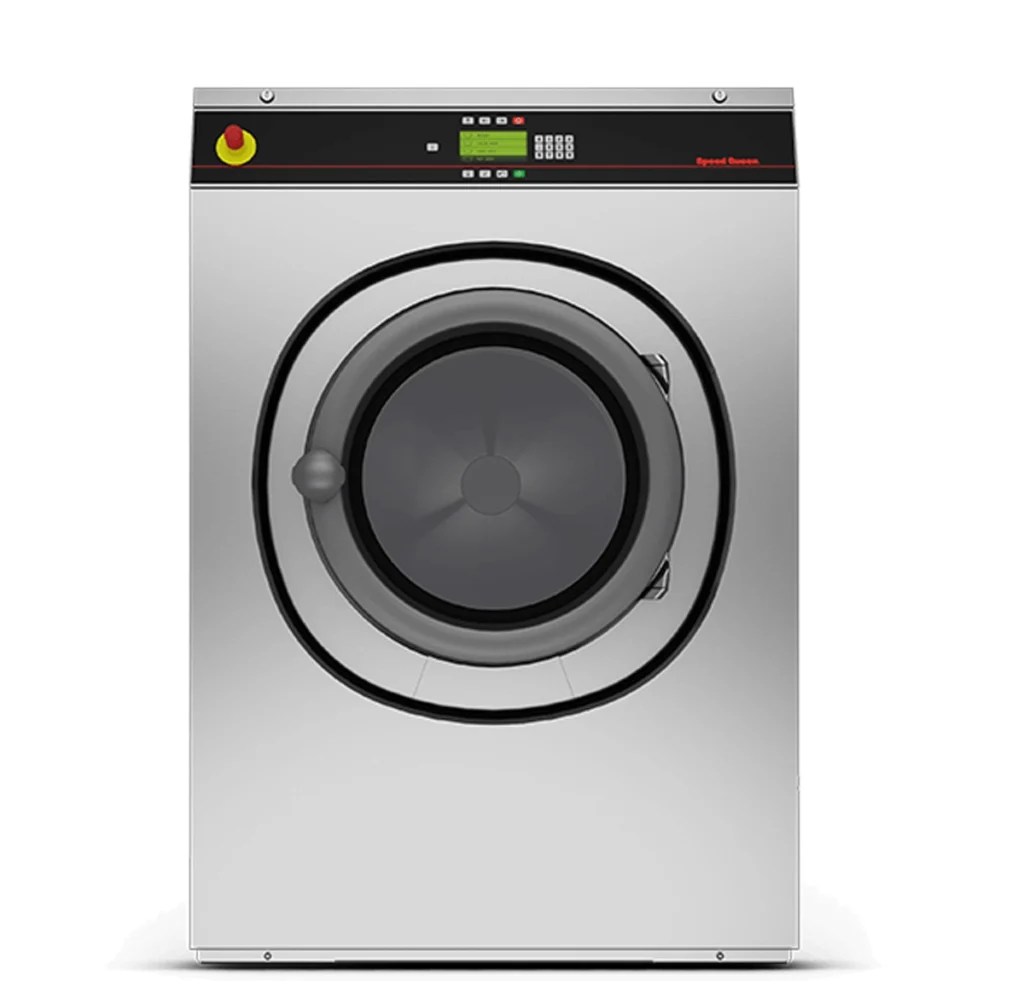
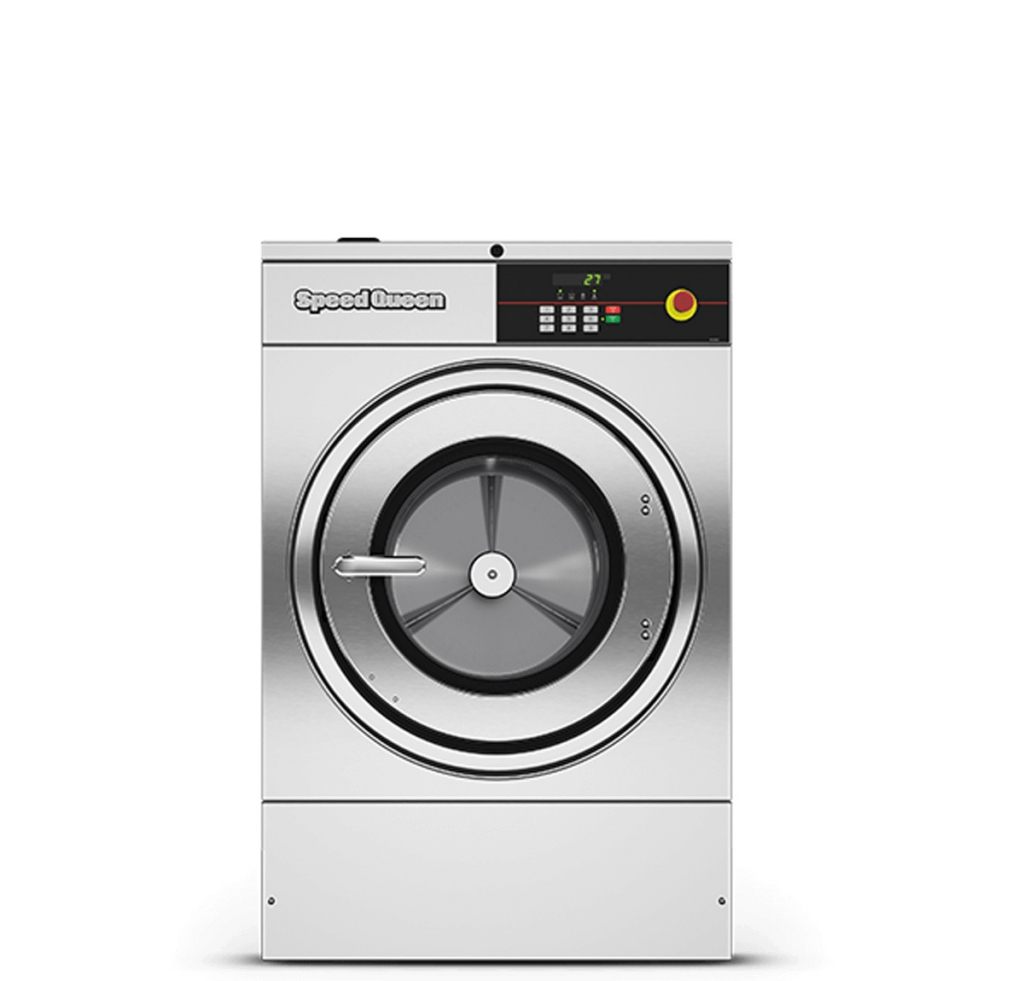
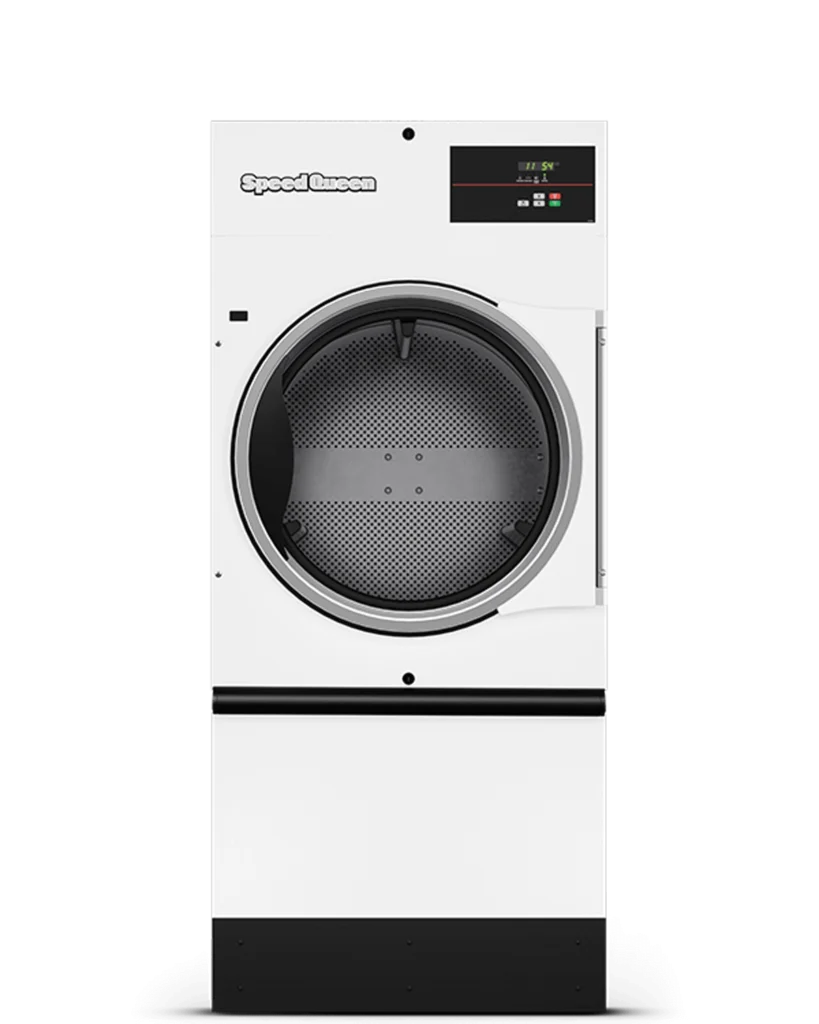
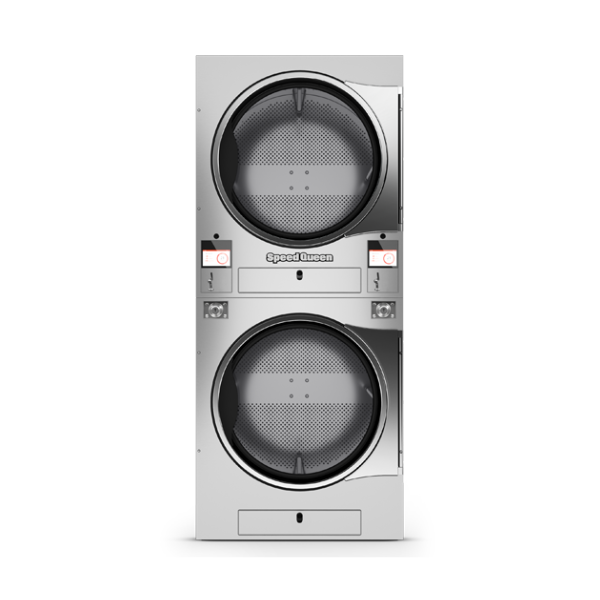
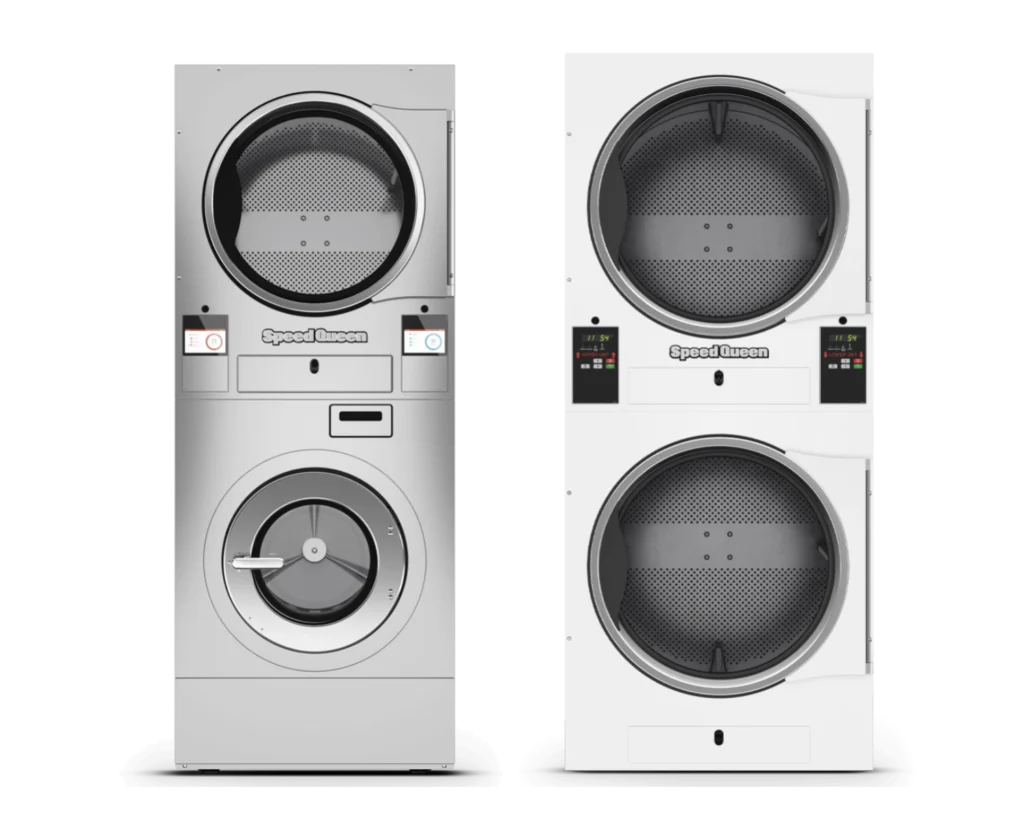
Speed Queen OPL equipment includes a complete range of commercial laundry solutions designed for operations in high-demand environments. Built for reliability, efficiency, and continuous daily use.
Available Speed Queen OPL equipment includes:
Industries That Use Speed Queen OPL Systems
Speed Queen OPL systems are used across a wide range of industries that depend on reliable in-house laundry operations to support daily workflows. Built for high-volume performance and operational efficiency, these systems help facilities maintain consistent access to clean linens, uniforms, towels, and other essential items.
Industries that commonly use Speed Queen on-premise laundry equipment include:
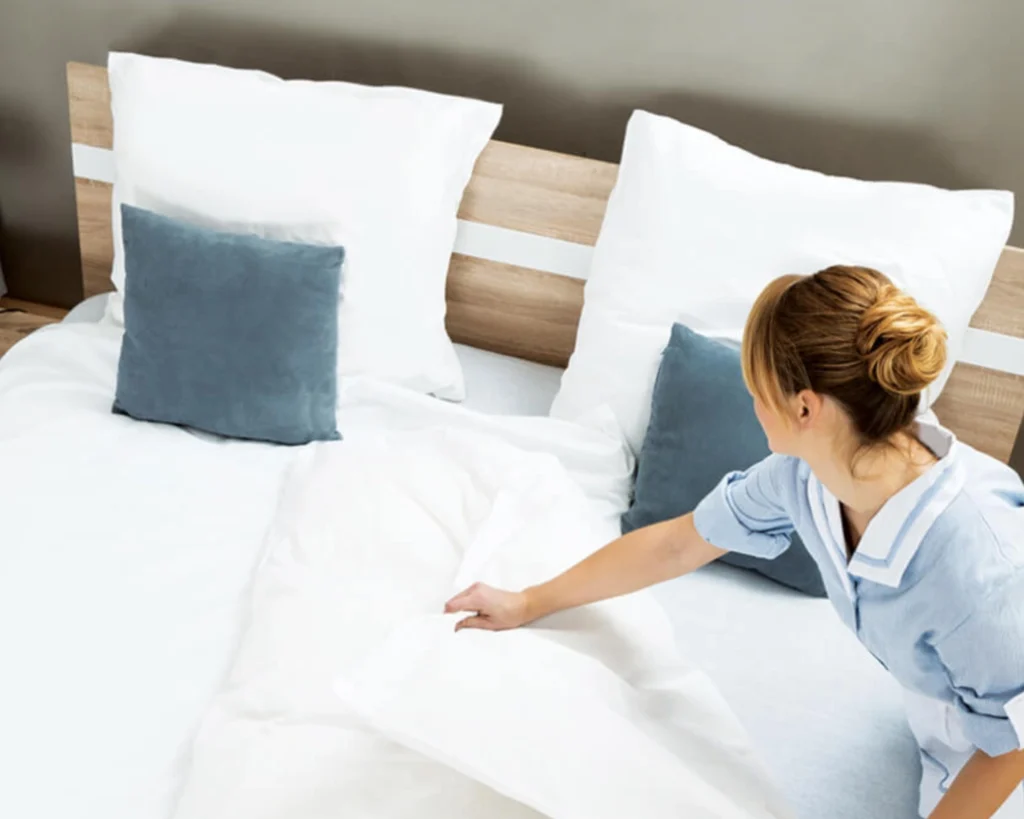
Hotel & Hospitality
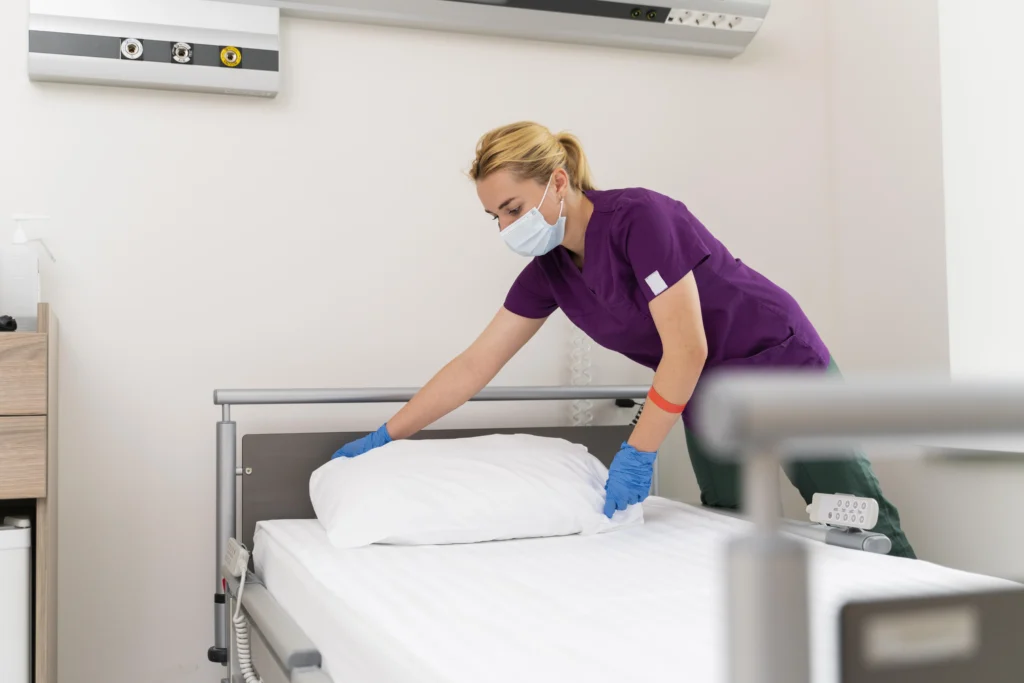
Healthcare
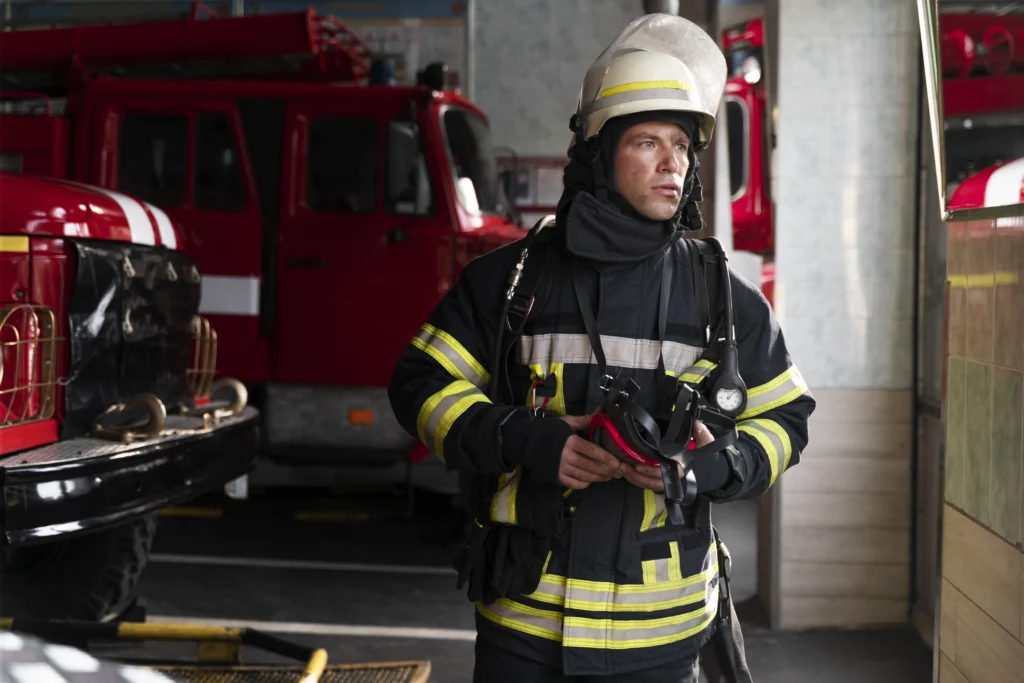
Fire Departments

Assisted Living
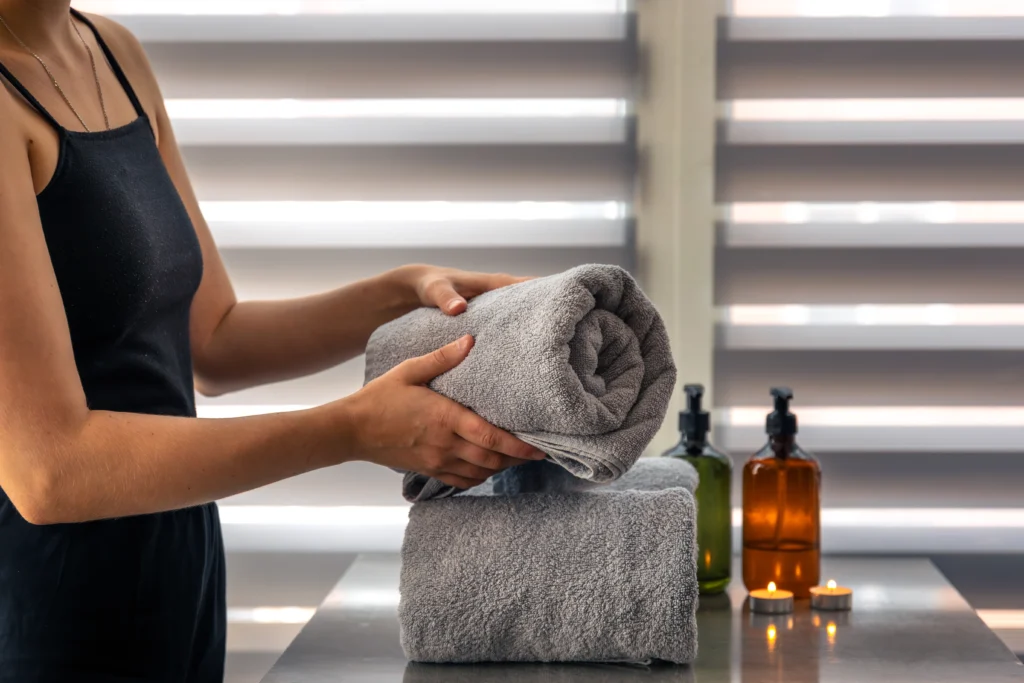
Spas & Hair Salons
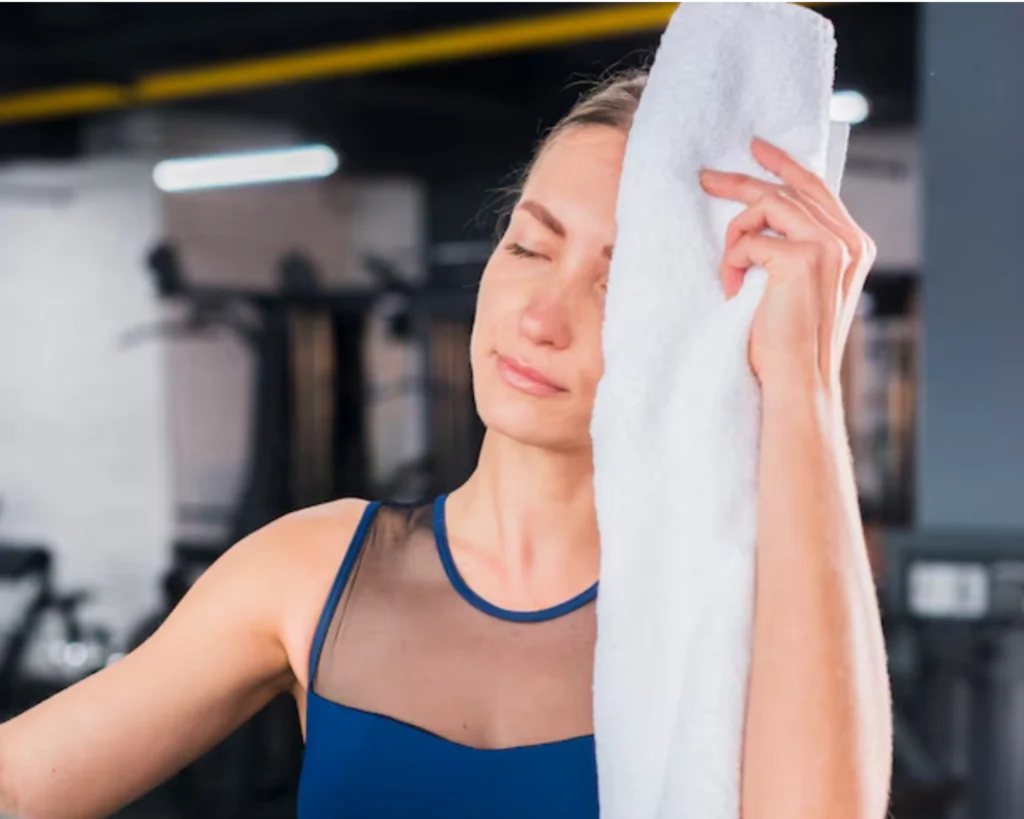
Athletic Facilities
Why Businesses Choose Speed Queen OPL Equipment
Speed Queen OPL equipment is built for organizations that rely on in-house laundry to support daily operations. Designed for demanding commercial environments, these systems help facilities maintain consistent throughput, operational efficiency, and reliable access to clean textiles.
Commercial-Grade Construction
Heavy-gauge metal components, stainless steel tubs, and reinforced designs are built to withstand continuous commercial use.
Consistent Throughput
High-performance washer-extractors and dryers help facilities process laundry efficiently while supporting daily production requirements.
Flexible System Design
Multiple machine capacities and equipment configurations allow businesses to build a system that fits their space, workflow, and laundry volume.
Quantum® Controls
Customizable cycles, water level settings, and advanced diagnostics provide greater visibility and control over daily laundry operations.
Reduced Drying Time
High G-Force extraction on select washer-extractors removes more moisture during the wash cycle, helping improve drying efficiency.
Long-Term Reliability
Designed for demanding commercial environments, Speed Queen OPL systems are built to deliver dependable performance over thousands of operational cycles.
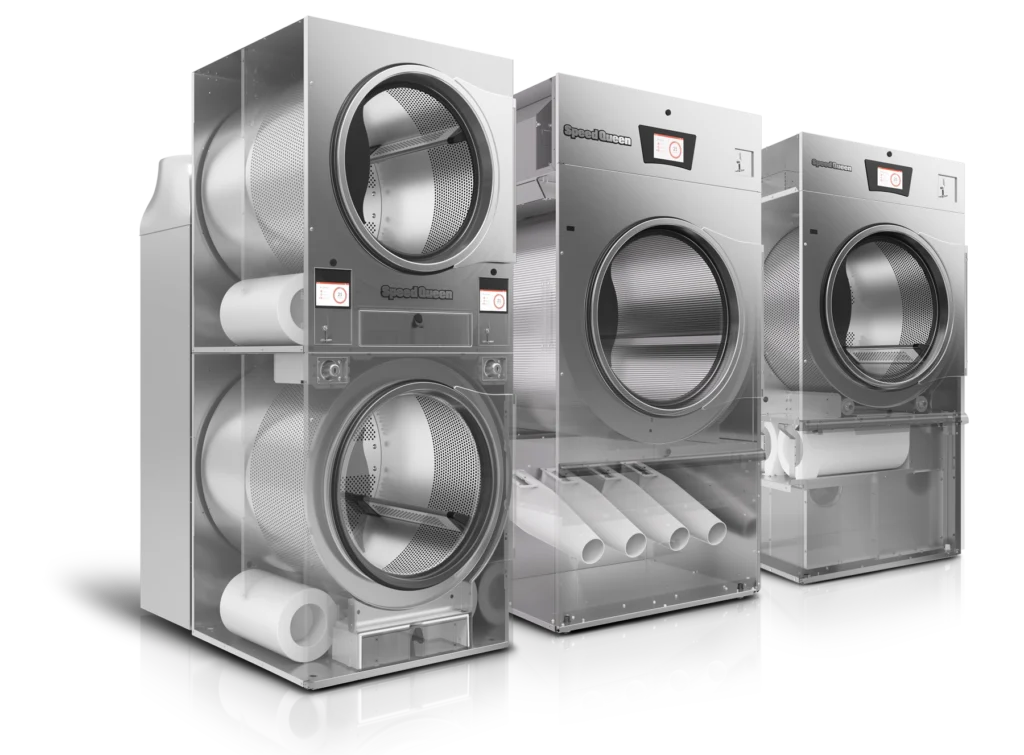
Speed Queen ProCapture™ Lint Management Technology
Lint buildup can increase cleaning requirements, contribute to maintenance issues, and impact overall laundry room efficiency. ProCapture™ by Speed Queen is designed to address these challenges by capturing lint at the source, helping facilities maintain cleaner laundry environments and more efficient day-to-day operations.
Captures up to 98% of Dryer-Generated Lint
Helps Reduce Maintenance Costs
Supports Staff Productivity
Minimizes Equipment Downtime
Promotes a Cleaner Laundry Environment
Helps Protect Surrounding Systems and Equipment
Speed Queen On-Premise Laundry Equipment Availability
States We Serve
Explore commercial laundry equipment coverage by state.
How to Choose the Right Speed Queen OPL System
Selecting the right Speed Queen on-premise laundry equipment requires evaluating how laundry is processed within the facility and matching equipment capacity to operational demands. Factors such as laundry volume, available space, workflow requirements, and future growth plans all play a role in determining the most effective configuration.
Laundry Volume Requirements
Facility Size and Available Space
Type of Linens, Uniforms, or Textiles Processed
Daily Workload and Throughput Needs
Equipment Capacity and Configuration Options
Long-Term Operational Goals
Why Choose Southeastern Laundry as Your Speed Queen Distributor
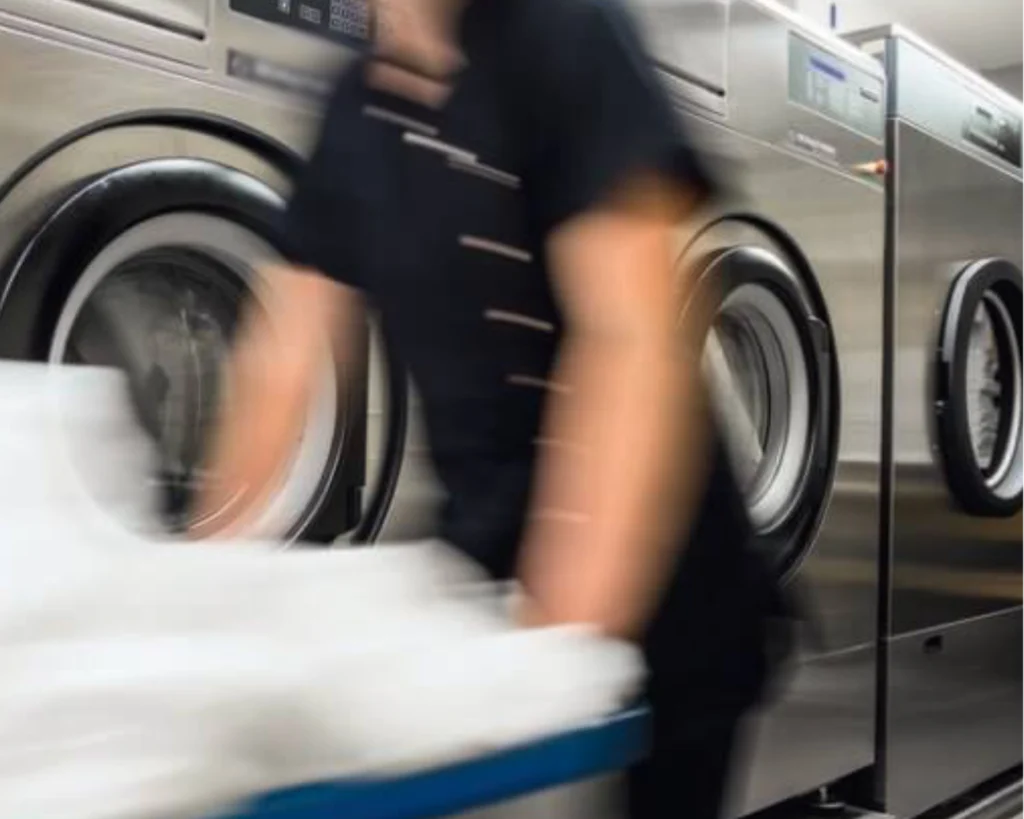
Southeastern Laundry combines access to industry-leading equipment with decades of commercial laundry expertise. As an authorized Speed Queen distributor, we help organizations evaluate OPL solutions with confidence, providing knowledgeable guidance backed by experience across a wide range of commercial and institutional laundry environments.
Authorized Speed Queen Distributor
Commercial Laundry Expertise
Tailored Equipment Guidance
Trusted Long-Term Partner
How Southeastern Laundry Supports Your OPL Laundry Operation
Southeastern Laundry provides support throughout every stage of an OPL project, helping facilities implement the right Speed Queen laundry solution for their operational needs.
- Equipment selection and system recommendations
- OPL system planning and configuration guidance
- Installation coordination
- Financing and leasing options
- Ongoing service and maintenance support
- Assistance with equipment upgrades and replacements
Whether developing a new on-premise laundry facility or modernizing an existing one, our mission is to provide the expertise and resources needed to create dependable, high-performing laundry operations.
Speed Queen OPL Laundry Equipment: Request a Quote
"*" indicates required fields
FAQs About Speed Queen OPL Laundry Equipment
How long does Speed Queen commercial laundry equipment typically last?
Speed Queen commercial laundry equipment typically lasts between 15 and 25 years, depending on usage levels, operating conditions, and maintenance practices. Designed for continuous commercial use, these systems are built to handle approximately 10,400 to 30,000 operational cycles in demanding environments such as hotels, healthcare facilities, and long-term care operations.
What factors should be considered when sizing an OPL laundry system?
Selecting the appropriate OPL system requires evaluating factors such as laundry volume, facility size, workflow requirements, available utilities, and the types of linens or garments being processed. These considerations help determine the ideal equipment capacity and configuration for the operation.
A properly sized system can improve efficiency, support consistent throughput, and help avoid over- or under-investing in laundry equipment as operational demands evolve.
Does SELaundry provide installation and maintenance support for Speed Queen equipment?
Yes. Southeastern Laundry provides support throughout the equipment selection and implementation process, helping organizations identify the right Speed Queen OPL solutions for their operational needs. Services include system planning, equipment recommendations, installation coordination, and flexible leasing options to support a variety of operational and budget requirements.
Ongoing service and maintenance support are also available to help facilities maintain equipment performance, minimize downtime, and maximize the long-term value of their laundry investment.
What is the average daily usage capacity for Speed Queen commercial OPL systems?
The average daily usage capacity of a Speed Queen OPL system depends on the equipment configuration, machine capacity, and operational demands of the facility. In commercial environments, Speed Queen equipment is designed to support continuous daily use, with many systems handling approximately 8 to 10 loads per day per machine.
Available capacities range from smaller units designed for light commercial applications to high-capacity washer-extractors capable of processing more than 200 pounds of laundry per load.
How often does commercial OPL equipment require maintenance?
OPL equipment requires regular maintenance to maintain performance and reliability. Daily tasks typically include cleaning lint filters and inspecting machine components, while periodic inspections of hoses, filters, exhaust systems, and other wear items help prevent unexpected downtime.
Maintenance requirements vary by equipment usage and operating conditions, but consistent upkeep is essential for maximizing equipment lifespan and efficiency.