
A busy laundromat depends on steady airflow, predictable drying times, and dryers that can handle repeated use throughout the day. When the exhaust system starts to clog or airflow drops, professional dryer vent service can help identify the problem before it turns into higher utility costs, equipment stress, or unexpected downtime.
Most vent problems do not appear all at once. Instead, they often show up as small operating changes: longer cycles, hotter cabinets, or lint collecting where it normally does not. Because those changes can seem minor, they are easy to overlook.
Commercial dryers move a large amount of heated, moisture-filled air. When lint, dust, or debris restricts the exhaust path, moisture leaves the drum less efficiently, which can increase drying time and energy use.
Restricted airflow can also affect heat management. The U.S. Consumer Product Safety Commission warns that lint buildup in a dryer or exhaust duct can block airflow and cause excessive heat buildup, while the U.S. Fire Administration advises keeping dryer vents and exhaust systems clean as part of dryer fire prevention. These federal resources are written primarily for consumer and residential dryer safety, so they support the general airflow and lint-safety principles discussed here rather than specific commercial laundromat maintenance requirements.
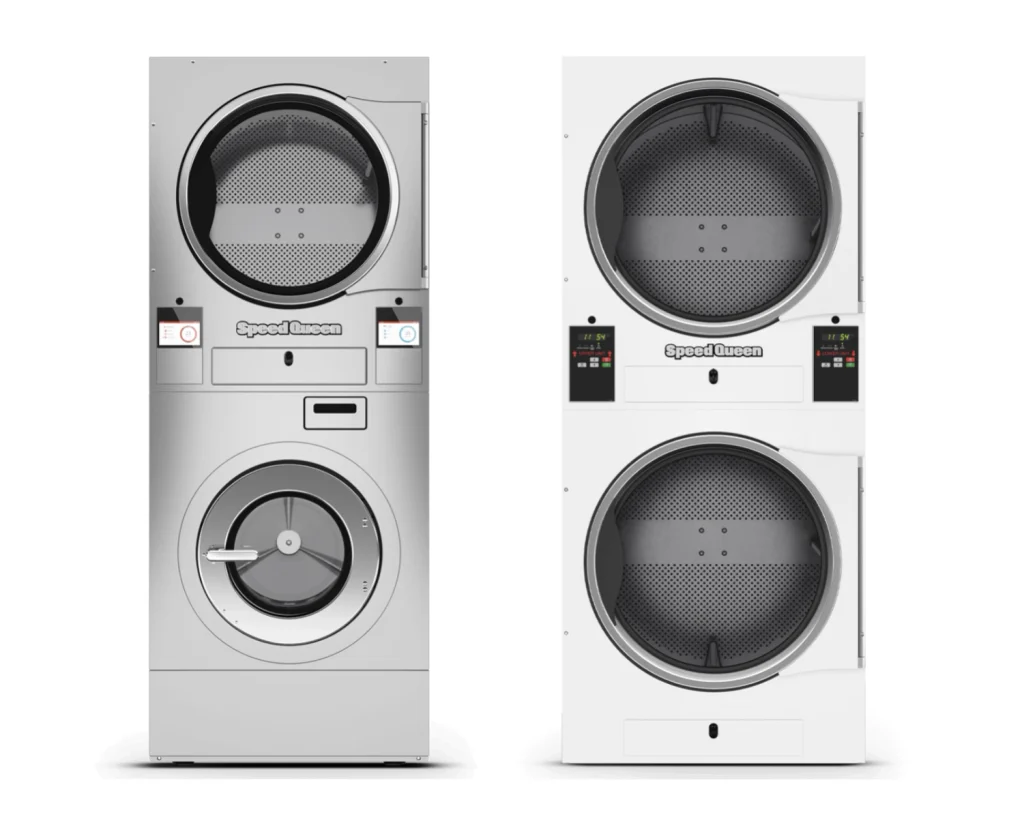
In a busy laundromat, small changes are often the first warning. A dryer that needs a few extra minutes today can become a recurring customer complaint or an out-of-service machine later, so catching changes in performance early gives owners more options.
One of the clearest signs of restricted airflow is a dryer that suddenly takes longer to finish loads that previously dried on schedule. A customer may run a normal cycle and find that towels, jeans, or bedding are still damp. Likewise, attendants may notice that complaints are concentrated around one bank of dryers.
Longer drying times do not automatically mean the vent is blocked. Heating components, sensors, controls, loading patterns, and airflow can all affect performance, so the pattern across multiple machines often provides the better clue.
Compare machines that receive similar use. If one dryer or one group of dryers consistently needs longer cycles, note when the problem started and whether it changes during peak hours. In addition, check whether the exterior exhaust appears weaker than usual.
The pattern matters. For example, one slow dryer may point to an equipment problem, while several slow dryers on a shared exhaust system may suggest a ventilation restriction. A professional dryer vent inspection can help separate those possibilities instead of relying on guesswork.
Dryers are designed to operate at elevated temperatures, so warmth by itself is not unusual. However, a machine that feels noticeably hotter than comparable units deserves attention because restricted exhaust can interfere with normal heat management. Customers may notice an unusually hot cabinet, longer cooldown periods, or loads that remain damp after the expected drying time.
Vent cleaning may solve the problem, but overheating can also come from a thermostat, sensor, burner component, airflow switch, or another equipment issue. The better approach is to inspect the exhaust path while also checking the dryer’s operating condition.
If a dryer continues to overheat after the exhaust path is clear, it may need commercial laundry equipment repair. That broader diagnosis can prevent repeated service calls that address a symptom without finding the cause.
A new or persistent odor around the dryer area should not be ignored. A musty smell can sometimes point to moisture that is not leaving the exhaust system efficiently, while a hot or burning odor may indicate lint buildup, excessive heat, a slipping component, or an electrical or mechanical problem. Because several conditions can create similar smells, odor alone cannot identify the cause. Even so, it is a useful warning sign, particularly when the smell appears only while certain dryers are running.
If customers report an unusual smell, document which machine they used. Then, if the odor is strong, smoky, electrical, or accompanied by abnormal heat, shut the affected equipment down until it can be inspected. A trained technician can inspect the vent path and the machine together rather than assuming every odor has the same cause.
Lint belongs in the lint collection system, not around vent joints, wall penetrations, exterior exhaust areas, or the space behind a dryer. New lint deposits in those areas can be a useful clue that airflow or duct integrity needs attention.
You may see lint near an exterior termination, around a cleanout point, or behind a machine. You may also notice that an exterior vent flap or damper does not open fully while the dryer is running.
Sometimes the problem is simple accumulation. However, lint around a connection may also indicate a loose joint, damaged duct section, poor seal, or airflow imbalance. That is why a professional inspection should look at the route as a system rather than treating every lint deposit as an isolated housekeeping issue.
For laundromats with common exhaust systems, long duct runs, turns, shared headers, roof terminations, and hard-to-reach cleanout points make inspection more difficult. A professional dryer vent inspection can help identify whether buildup or another restriction is affecting deeper sections of the exhaust system and clarify what corrective action is needed.
Energy bills move for many reasons, including utility rate changes, weather, customer volume, and equipment mix. Still, if dryer energy use rises while store traffic remains relatively stable, poor airflow may be part of the problem. A dryer that cannot move moisture out efficiently may require more drying time, leaving customers to purchase additional minutes while the store uses more energy to achieve the same result. The difference may seem small on a single load, but it can add up across dozens or hundreds of cycles.
Instead of treating the utility bill as proof, compare drying time, customer complaints, out-of-service records, and maintenance notes. If several indicators move in the wrong direction, a dryer vent inspection can help determine whether restricted exhaust is contributing.
| Warning Sign | What It May Indicate | Best Next Step |
|---|---|---|
| Loads need more drying time | Restricted airflow or a dryer performance issue | Inspect airflow and dryer operation |
| Dryer cabinets feel unusually hot | Blocked exhaust or a component problem | Stop abnormal operation and schedule service |
| Burning or musty odors appear | Heat, moisture, lint, or a mechanical issue | Inspect the affected dryer and vent path |
| Lint collects near vents or duct joints | Buildup, leakage, or an exhaust restriction | Check duct condition and address buildup as needed |
| Utility costs rise unexpectedly | Longer runtime or reduced dryer efficiency | Compare operating data and inspect airflow |
The lint you can see may be only a small part of the buildup affecting the exhaust system. In many laundromats, ductwork runs behind walls, above ceilings, through shared headers, or up to roof terminations. As a result, a vent can look clear at the machine while a restriction exists farther downstream.
The challenge is that these symptoms can overlap. Slow drying may come from restricted exhaust, inadequate heat, a sensor issue, poor makeup air, or another dryer fault. Likewise, a hot cabinet does not prove that the duct is clogged.
That is where professional service adds value. A technician can evaluate dryer operation and exhaust conditions together, then determine whether the next step is cleaning, adjustment, commercial dryer repair, or a closer look at the ventilation layout.
The process depends on the laundromat layout, dryer type, and vent design. However, a thorough service visit generally focuses on airflow, lint accumulation, exhaust condition, and dryer performance.
First, the technician reviews the affected dryers and the path used to exhaust air outdoors. Accessible duct sections, cleanouts, connections, exterior terminations, and obvious restrictions can be checked for buildup or damage. If several dryers share a system, the common exhaust sections deserve particular attention.
Next, the technician can evaluate accessible exhaust sections for lint buildup, debris, damaged connections, or other conditions that may restrict airflow. If the problem extends beyond the dryer itself, the inspection can help identify the affected area and determine whether cleaning, repair, or another corrective step is needed.
The technician should also look at the dryer itself. Lint collection areas, seals, thermostats, sensors, heating components, and other relevant parts may need inspection based on the symptoms.
If the vent is clear but the dryer still performs poorly, this step becomes especially important. After all, a vent restriction and an equipment problem can exist at the same time.
Once the inspection is complete, the dryer can be operated and observe. Air movement, heat behavior, cycle performance, and the original complaint can be rechecked. Therefore, the owner gets useful diagnostic information instead of only a “vent cleaned” note.
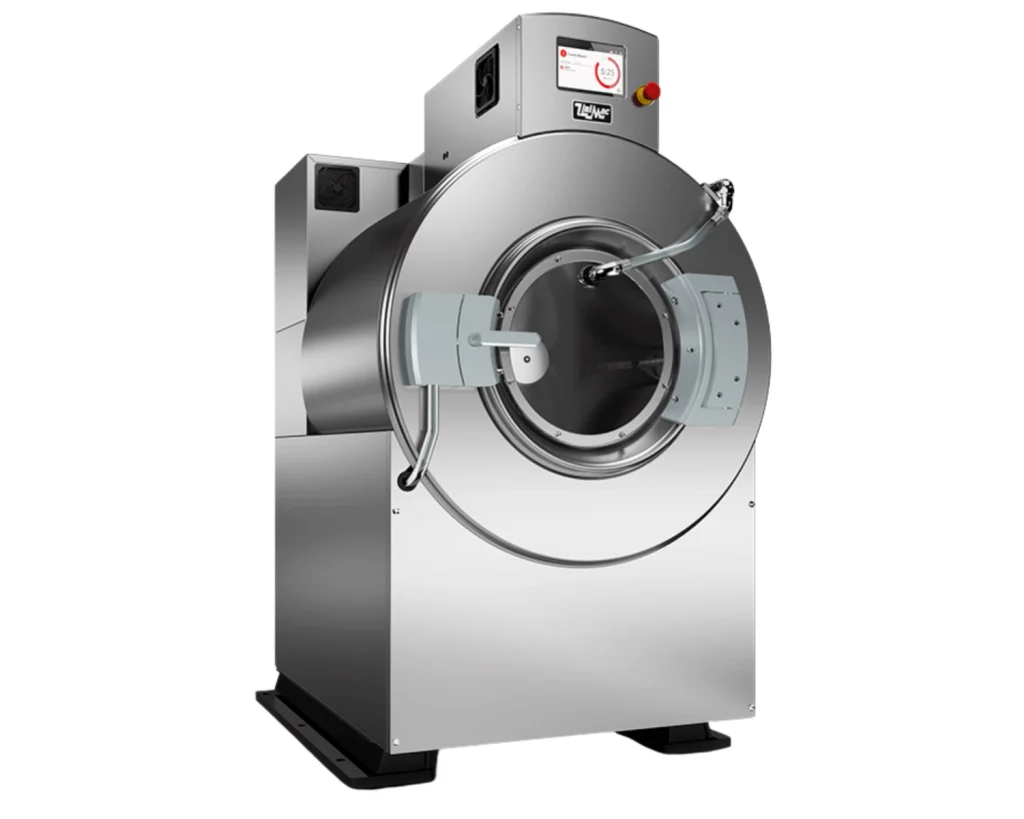
Sometimes correcting an airflow restriction restores normal operation. In other cases, an inspection reveals a second problem that was masked by poor airflow.
For example, a dryer may still take too long after an airflow restriction has been addressed because the heating system is not producing the expected output. A machine may also continue to run hot because a thermostat or sensor is not responding correctly. A damaged duct connection, inadequate makeup air, or a poorly performing exterior termination can also remain after lint is removed.
If the problem remains, repeated cleaning is unlikely to solve it. Instead, the better next step is to diagnose the equipment and ventilation system as a whole.
Southeastern Laundry Equipment supports laundromat owners with commercial laundry repair, scheduled maintenance, parts, and equipment service. Because its service team works with commercial laundry systems, owners can address immediate dryer concerns while also identifying equipment issues that may appear during inspection.
Not sure whether the problem is airflow or the dryer itself?
Southeastern Laundry Equipment can inspect your commercial laundry equipment, diagnose performance issues, and recommend the appropriate next step before a small problem leads to more downtime.
Request Commercial Dryer ServiceThe best time to deal with a vent problem is before a dryer is taken out of service during a busy period. That is why day-to-day observation works best when it is paired with planned maintenance.
Attendants can report changes in drying time, unusual heat, odors, lint accumulation, and repeated complaints. Managers can also track whether a particular row or exhaust group develops recurring issues. Then, those notes give technicians useful context during scheduled maintenance.
A fixed cleaning interval may be part of the plan, but operating conditions should guide the schedule. A high-volume store, complex shared exhaust system, or repeated lint problem may need more frequent attention than a lower-volume location. In addition, any change in dryer performance should trigger an earlier inspection rather than waiting for the next calendar date.
Preventive attention can also make budgeting easier. Instead of reacting only after a machine stops working, owners can use inspections and service history to identify developing problems and plan repairs when possible. Over time, that turns maintenance into a way to protect equipment availability instead of simply responding to breakdowns.
A laundromat does not need to wait for a dryer to fail before calling for service. Longer drying times, excess heat, unusual odors, visible lint, and unexplained energy increases are all useful clues that the dryer or exhaust system deserves a closer look. A professional inspection can help determine whether the issue involves airflow, equipment performance, or a combination of both.
If your laundromat is seeing one or more of these warning signs, Southeastern Laundry Equipment can help evaluate the equipment and determine the right next step. Scheduling service early can help protect machine availability, reduce avoidable strain, and keep customers from discovering the problem before you do.
Seeing longer drying times, unusual heat, or other dryer performance problems?
Contact Southeastern Laundry Equipment to discuss what you are seeing and determine whether your commercial dryers need professional inspection, maintenance, or repair.
Contact Southeastern Laundry EquipmentCommon warning signs include longer drying times, dryers that feel unusually hot, burning or musty odors, visible lint around exhaust areas, and rising energy use without a clear reason. These symptoms do not always mean the vent is blocked, but they are good reasons to have the dryer and exhaust system inspected.
There is no single schedule that fits every laundromat. Service frequency can depend on customer volume, dryer usage, exhaust layout, lint accumulation, and the type of equipment in the store. High-volume laundromats may need more frequent inspection than lower-volume locations, so it is best to base the schedule on operating conditions and maintenance history.
Yes. Restricted airflow can make it harder for heat and moisture to leave the dryer efficiently, which may increase drying time. However, slow drying can also be caused by heating components, sensors, controls, loading practices, or other equipment problems. A professional inspection can help identify the actual cause.
A service visit may include checking dryer performance, accessible exhaust connections, airflow conditions, lint buildup, vent terminations, and related components. If the issue appears to involve the dryer itself, the technician may also inspect parts such as sensors, thermostats, heating components, or controls to determine whether repair or maintenance is needed.
They can. When airflow is restricted, customers may need more drying time to finish a load, and the store may use more energy to achieve the same result. Because higher utility costs can have several causes, it is helpful to compare energy use with drying times, customer complaints, and equipment performance before assuming the vent is the only problem.
Southeastern Laundry Equipment can help laundromat owners evaluate commercial dryer performance, airflow and ventilation concerns, scheduled maintenance needs, and equipment repair issues. If your store is experiencing longer drying times, unusual heat, or other signs of poor dryer performance, contacting Southeastern Laundry Equipment can help determine the appropriate next step.