
Opening a laundromat is exciting, but the decisions you make during your first year can shape the business for years to come. As a new laundromat owner, you need to think beyond opening day and build an operation that can control costs, keep machines running, attract repeat customers, and adapt as you learn more about your market.
You don’t have to get every detail perfect from day one, but you do need a plan for the decisions that have the biggest effect on revenue, expenses, customer experience, and long-term growth.
For a new laundromat owner, the first year is partly about proving the original business plan and partly about learning what customers actually need. The strongest decisions combine your initial research with real operating data from the store. After all, the goal isn’t simply to fill a space with washers and dryers. You want to create a laundromat where the equipment mix, layout, pricing, maintenance plan, utilities, and customer experience work together.
If you’re still in the planning stage, Southeastern Laundry Equipment’s guide to starting a laundromat business provides additional information on startup planning, equipment, financing, and store development.
Here are the eight decisions that deserve particular attention during your first year.
| First-Year Decision | What to Watch | What You’re Trying to Achieve |
|---|---|---|
| Location | Demographics, visibility, access, competition | Consistent customer demand |
| Equipment | Capacity, efficiency, durability, lifecycle cost | Reliable revenue-producing machines |
| Maintenance | Preventive service, parts, downtime | Better equipment uptime |
| Pricing | Costs, local market, machine size | Sustainable margins |
| Utilities | Water, gas, electricity trends | Controlled operating expenses |
| Marketing | Local search, promotions, retention | Repeat and new customers |
| Customer feedback | Reviews, complaints, requests | Better customer experience |
| Business data | Turns, revenue, busy periods, machine use | Smarter operating decisions |
Location is one of the hardest decisions to change after opening, so a low lease rate shouldn’t automatically make a property attractive. A new laundromat owner should also examine the neighborhood around a prospective site, including renter concentration, household size, income levels, nearby apartment communities, parking, visibility, traffic patterns, competitors, and ease of access.
The U.S. Census Bureau offers demographic and housing data that can help with market research.
A promising demographic profile is only part of the decision. Visit the property at different times of day and look at it from a customer’s perspective. Can customers enter and leave easily? Is there enough parking? Is the storefront visible from the road? Will someone carrying several baskets feel comfortable getting from the parking area to the store?
The building itself deserves the same level of attention. A location may appear inexpensive until plumbing, electrical, venting, drainage, or structural improvements are added to the budget, so those requirements should be considered before the lease price starts to look like a bargain.
Before signing a lease, evaluate both the market and the physical requirements of the laundromat. Southeastern Laundry Equipment also offers guidance on laundromat layout planning, which can help owners think about machine placement and customer flow before equipment is installed.
Commercial laundry equipment will be one of the most important investments in your store, but purchase price is only one part of what a machine ultimately costs.
A lower-priced washer that consumes more water, requires frequent repairs, or experiences more downtime can become expensive over its operating life. Reliable, efficient laundromat equipment, on the other hand, may support lower operating costs while helping you provide a more dependable customer experience. When comparing machines, look beyond the initial price and consider capacity, expected usage, water consumption, energy requirements, serviceability, available parts, controls, warranty coverage, payment compatibility, and expected useful life.
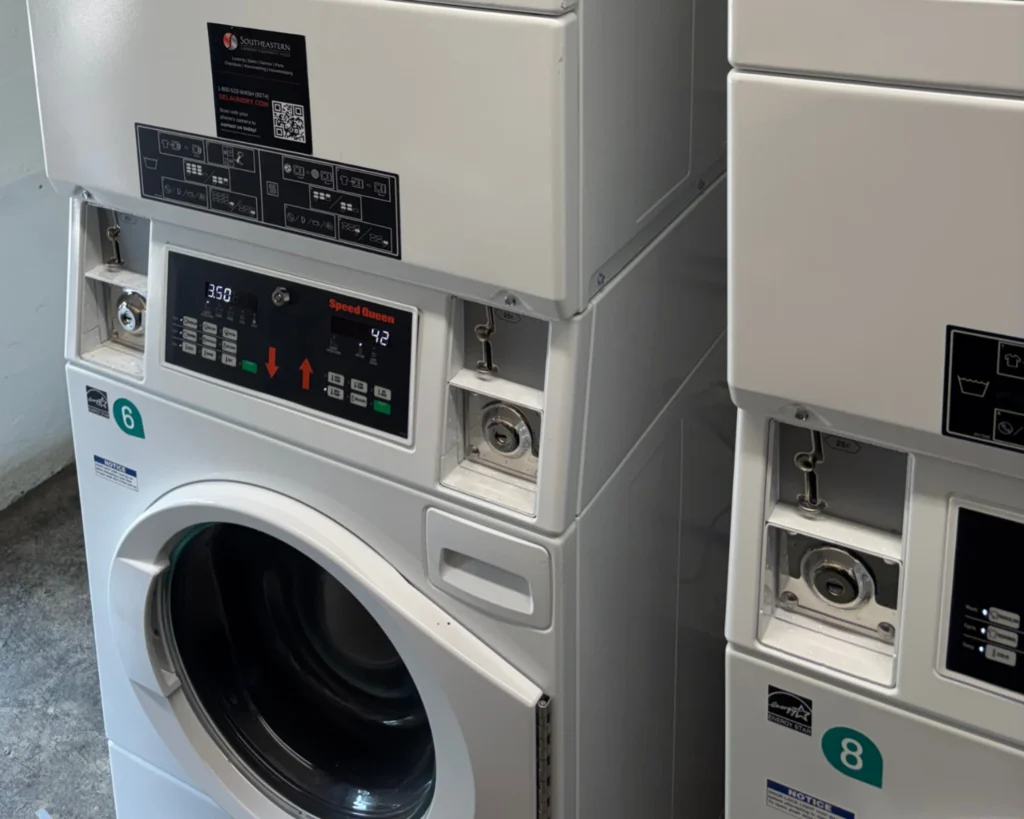
Bigger isn’t automatically better, either. Your equipment mix should reflect the people who are actually likely to use the store. For example, if local demographic data shows a high concentration of larger households, a new laundromat owner may want to evaluate whether additional high-capacity washers make sense for that market. In an area where customers typically bring smaller loads, a greater number of mid-size machines may be more appropriate.
A knowledgeable equipment distributor can help model those decisions before installation. Southeastern Laundry Equipment works with laundromat entrepreneurs on equipment selection and store planning, allowing owners to evaluate the overall system rather than choosing washers and dryers one machine at a time.
Downtime has an obvious cost because a machine that isn’t operating can’t produce wash or dry revenue. The indirect cost can matter just as much. If customers regularly encounter out-of-order machines, they may eventually start looking for another laundromat, which is why maintenance shouldn’t begin only after something breaks.
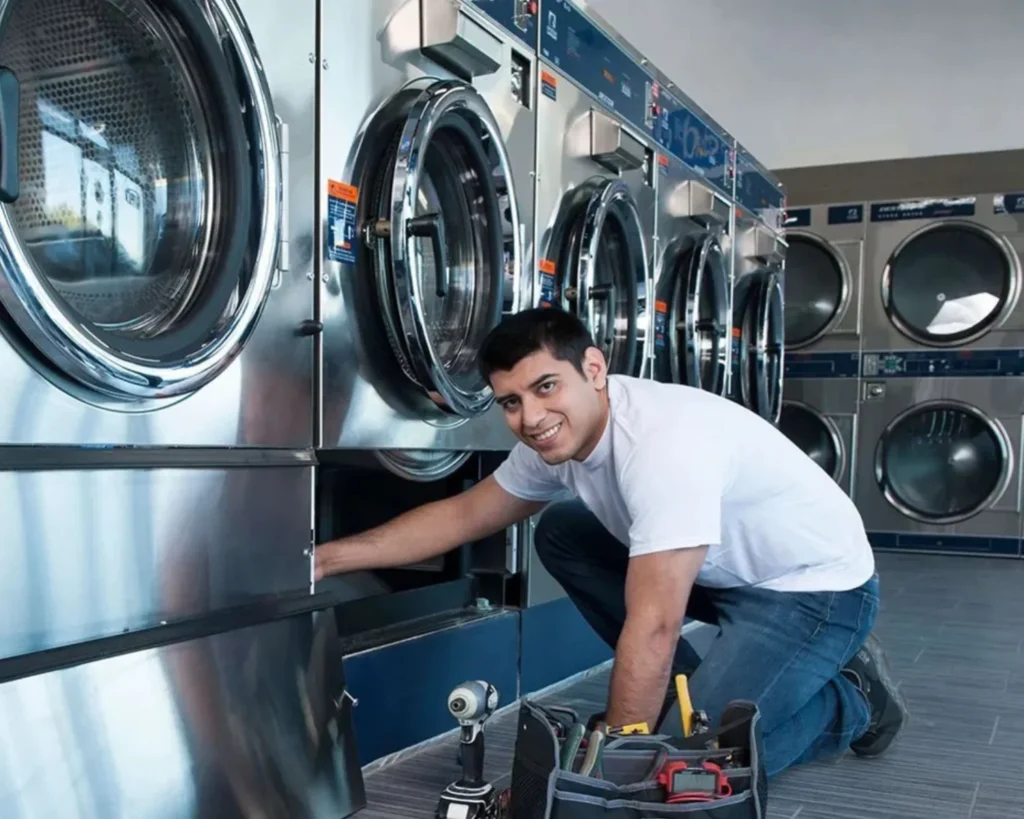
Create a preventive maintenance schedule as soon as the store opens and keep records of service dates, recurring problems, replacement parts, and unusual changes in machine performance. Over time, those records can make it easier to spot recurring issues and understand which machines may require more attention.
Your maintenance strategy should also identify who you’ll contact when a problem requires professional service. Southeastern Laundry Equipment provides commercial laundry equipment repair and maintenance support, including work with laundromat systems.
With a maintenance plan and service resources in place, a new laundromat owner can make equipment care part of the operating model instead of treating every breakdown as a new emergency.
Pricing can feel simple at first. You look at what nearby laundromats charge and choose a similar number. The problem is that this approach ignores the economics of your particular store. Your rent, debt obligations, utilities, equipment, maintenance costs, insurance, payroll, and other expenses may be very different from those of the laundromat a few blocks away. Competitor pricing is useful context, but it shouldn’t dictate your entire strategy.
The U.S. Small Business Administration recommends understanding startup costs, operating expenses, revenue streams, and break-even requirements when planning a business. Its small-business planning resources can help owners structure those calculations.
Next, evaluate pricing by machine size and customer value. Machine capacity, cycle speed, payment convenience, and store cleanliness are all factors a new laundromat owner can consider when evaluating the overall customer experience and pricing strategy.
Your pricing should also be revisited as expenses change. A price set before opening shouldn’t remain untouched simply because changing it feels uncomfortable.
Planning your first laundromat?
Southeastern Laundry Equipment can help you think through equipment capacity, machine mix, store layout, installation, and other decisions that can shape your laundromat from the start.
Explore Laundromat Equipment OptionsWater, sewer, gas, and electricity are major operating considerations in a laundromat, which makes utility bills useful management tools rather than invoices that simply get paid each month. Start by establishing a baseline, then compare utility use with customer volume, machine activity, seasonality, and revenue. Those comparisons can help you understand what normal usage looks like for your particular store.
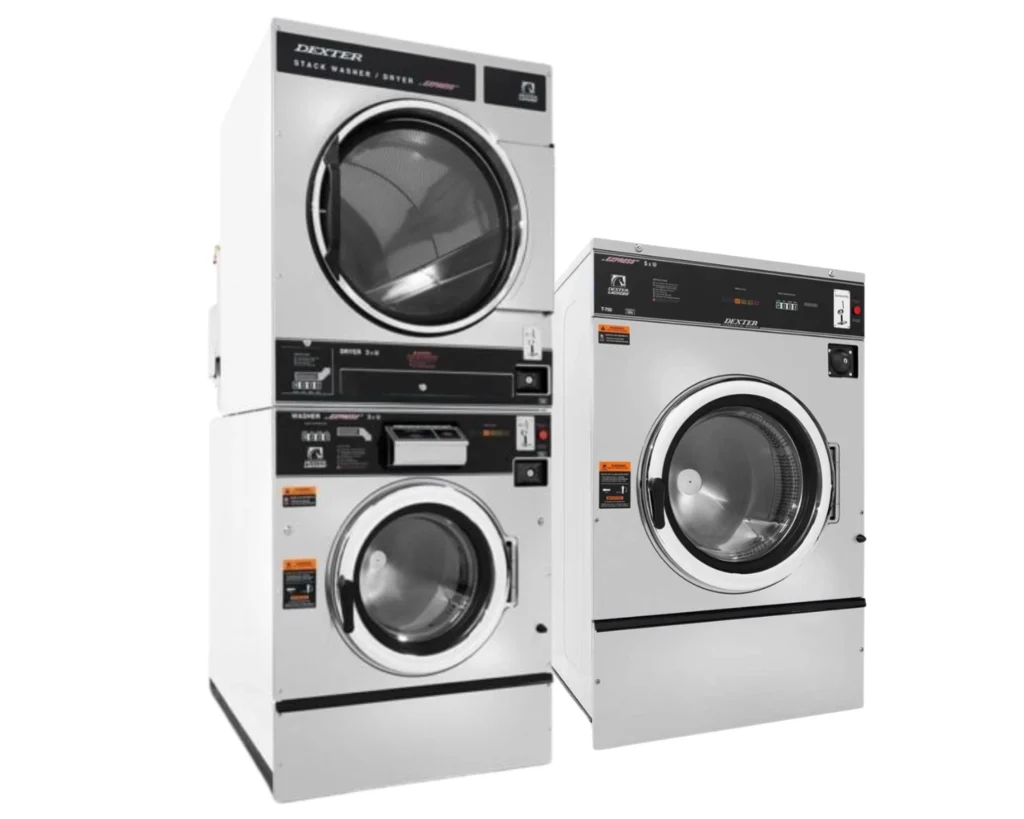
For example, if water use increases substantially while wash volume remains about the same, investigate the reason. A leak, equipment issue, change in customer behavior, or another operating problem may be responsible.
It’s also worth tracking utility performance when you replace or add equipment because this can give you a clearer picture of whether an investment is producing the expected operating benefit. For a new laundromat owner, these records become more useful every month. As your history grows, it becomes easier to recognize normal fluctuations and notice changes that deserve a closer look.
Opening-day excitement doesn’t last forever, so marketing can’t stop once the signs, social posts, and grand-opening promotion go live. A practical laundromat marketing plan should help new customers discover the store while also giving existing customers reasons to come back.
Start by making sure local customers can find accurate information about your store online. Keep your hours, phone number, address, photos, and services current, and encourage satisfied customers to leave genuine reviews. Once people find you, give them reasons to return. A targeted promotion during slower periods can be tested to see whether it encourages more off-peak visits, while a loyalty program can provide an added incentive for repeat customers. Social media can also keep people informed about new equipment, promotions, operating hours, or improvements to the store.
Avoid discounting simply for the sake of generating activity. Every promotion should have a clear purpose and a way to measure the result.
If Tuesday afternoons are consistently quiet, for instance, test a Tuesday offer for several weeks and compare the resulting traffic and revenue with your previous baseline. Tracking the results helps you see which promotions actually influence customer visits, so future marketing decisions can be based on what works in your store rather than guesswork.
Your customers experience the laundromat differently than you do. You may see a newly renovated store, while a customer notices that the folding area feels crowded, a card reader is confusing, or a preferred washer is frequently unavailable. That difference in perspective is what makes customer feedback useful operating information rather than something to consider only when there’s a complaint.
Pay attention to face-to-face comments, online reviews, social media messages, and recurring questions, but look for patterns rather than reacting to every individual comment in isolation. If several customers mention the same issue, it’s worth investigating. Positive feedback can be useful as well. If customers repeatedly praise a particular feature, consider how you can build on it. Repeated requests for larger machines, for instance, may reveal an opportunity to adjust the equipment mix when you expand or replace equipment.
Responding professionally to reviews also shows that someone is actively managing the business. For a new laundromat owner, that makes reputation management worth including in the regular weekly routine rather than checking reviews only when a problem occurs.
One of the biggest changes during your first year is the amount of real information you’ll begin collecting. Before opening, many decisions are based on forecasts and assumptions. Once customers begin using the store, you can start comparing those assumptions with actual behavior. Track revenue by day and time, machine utilization, turns per day, equipment downtime, utility usage, payment trends, promotion results, and busy periods. If your laundry payment or management system provides additional reporting, use it.
Data becomes most useful when it leads to a practical decision. Suppose larger washers are consistently occupied while several smaller machines sit unused. That pattern may influence your next equipment purchase. If customers regularly face long waits on Sunday afternoons, you may need to examine capacity or customer flow. At the other end of the spectrum, consistently slow periods could become opportunities to test carefully targeted promotions.
Modern payment and management technologies can also help laundromat owners understand activity more clearly. Southeastern Laundry Equipment discusses several of these possibilities in its resource on modern laundromat automation systems.
Your original business plan shouldn’t be treated as fixed. The first year gives you information that simply wasn’t available before opening, so use what you learn to refine the way the business operates.
The first year of a laundromat business involves constant learning. Some assumptions will prove correct, while others will need to change, and that’s a normal part of turning an initial business plan into a working operation. What matters is building a laundromat that gives you enough information and flexibility to make better decisions over time.
Start with a location supported by real demand, then choose commercial laundry equipment based on performance and lifecycle value. Establish a maintenance schedule, understand your pricing, monitor utilities, market consistently, listen to customers, and study your operating data. Paying attention to these areas throughout the first year can help you make better-informed decisions as the laundromat grows and moves into its second year.
In addition, think carefully about the companies you choose to work with. A new laundromat owner may need help with more than equipment specifications. Store layout, capacity planning, installation, payment technology, maintenance, parts, and future upgrades can all affect the operation.
Southeastern Laundry Equipment works with laundromat owners and entrepreneurs on equipment selection, store planning, installation, service, upgrades, and long-term equipment needs. Working with an experienced laundry equipment partner early can help you evaluate those decisions in the context of the entire store rather than treating each purchase separately.
If you’re planning your first laundromat or preparing to improve a recently opened store, start by discussing the location, equipment mix, budget, and operating goals you have in mind.
Ready to start planning your laundromat?
Talk with Southeastern Laundry Equipment about your location, equipment needs, budget, and plans for opening or improving your laundromat.
Talk With a Laundromat Equipment ExpertA new laundromat owner should start with the fundamentals that are hardest to change later, including location, equipment mix, store layout, utility requirements, and financing. It is also important to understand local customer demand before choosing washer and dryer capacities. Once the store is operating, owners should track machine usage, utility costs, maintenance needs, and customer feedback so they can make informed adjustments during the first year.
The cost to open a laundromat can vary significantly depending on the location, size of the store, equipment mix, construction requirements, utility infrastructure, and whether the location is new or being renovated. Commercial washers and dryers are a major part of the investment, but plumbing, electrical work, ventilation, payment systems, signage, permits, and leasehold improvements also need to be included in the budget. A new laundromat owner should evaluate the full project cost rather than focusing only on equipment prices.
Most laundromats need a mix of commercial washers and dryers in several capacities so customers can choose equipment that matches their load size. The right mix depends on local demographics, expected traffic, available floor space, utility capacity, and the services the laundromat plans to offer. A new laundromat owner should also consider payment systems, equipment controls, efficiency, warranties, serviceability, and long-term operating costs when comparing machines.
A strong laundromat location should have enough potential customer demand, convenient access, visibility, parking, and suitable utility infrastructure. Research nearby renter populations, household sizes, competing laundromats, traffic patterns, and surrounding residential development. The building itself is equally important because plumbing, drainage, gas, electrical, and ventilation requirements can significantly affect development costs. Evaluating both the market and the property can help a new laundromat owner avoid choosing a location based on rent alone.
A new laundromat owner should consider operating costs, local competition, machine capacity, utilities, maintenance expenses, financing obligations, and the overall customer experience when setting prices. Matching a competitor’s vend price without understanding your own costs can put pressure on margins. Pricing should also be reviewed periodically as utility rates, maintenance expenses, and other operating costs change. Larger-capacity machines may also require a different pricing structure than smaller washers and dryers.
Commercial laundry equipment should be inspected and maintained on a regular schedule rather than waiting for a breakdown. The exact service frequency depends on equipment type, usage, manufacturer recommendations, and the conditions inside the store. Routine maintenance can include cleaning, checking belts and hoses, inspecting drains and vents, and monitoring machine performance. Keeping service records also helps owners identify recurring problems and machines that may be experiencing heavier use.
A new laundromat owner should monitor revenue, machine usage, turns per day, utility consumption, equipment downtime, payment trends, busy periods, maintenance expenses, and promotion results. These numbers can reveal which machines customers use most, when the store is busiest, and whether operating costs are changing unexpectedly. Over time, this data can guide decisions about pricing, equipment replacement, promotions, maintenance schedules, and future expansion.
Yes. Southeastern Laundry Equipment works with laundromat owners who are planning new stores as well as owners improving existing locations. A new laundromat owner can contact Southeastern Laundry Equipment to discuss commercial laundry equipment, machine mix, store layout, installation considerations, payment technology, service needs, and long-term equipment planning. Getting equipment and planning support early can make it easier to evaluate how individual decisions will affect the laundromat as a whole.