
You do not need a second location to increase your laundromat profits. In many cases, the best opportunities are already inside your current store.
A laundromat may have unused machine capacity, outdated pricing, missed add-on sales, or customers who visit only when they have no better option. In many cases, improving profitability starts with getting more value from the location, equipment, and customer traffic you already have.
The goal is not simply to raise prices or add as many services as possible. Instead, you need to make your laundromat easier to use, more efficient to operate, and more valuable to customers. When those improvements work together, they can raise revenue while also strengthening customer loyalty.
Before making major changes, look closely at how your store performs throughout the week. Identify your busiest hours, least-used machine sizes, average customer spend, utility costs, equipment downtime, and demand for added services. This information gives you a useful baseline and helps you focus on improvements that solve real problems instead of relying on guesswork.
A practical profitability plan should address three connected areas:
Each area affects the others. Better equipment may lower operating costs while improving the customer experience, and a stronger customer experience can lead to more frequent visits. Looking at the business as a whole makes it easier to choose improvements that support long-term growth rather than creating a temporary bump in revenue.
Wash-and-fold can turn your laundromat into more than a self-service business by giving busy customers a convenient way to complete their laundry without spending time inside the store. Families, professionals, students, older adults, and local businesses may all value this service, especially when they can count on reliable handling, clear turnaround times, and consistent results.
The service works best when it is treated as a structured part of the business rather than an informal add-on. Your team needs a clear process for weighing orders, labeling bags, separating loads, recording special instructions, and notifying customers when their laundry is ready. A consistent process reduces errors and gives customers confidence that their belongings will be handled carefully.
Start with a simple service menu that your staff can manage without disrupting self-service customers. You might offer standard next-day service, same-day service when capacity allows, and separate pricing for bulky items such as comforters or blankets.
Your pricing should account for:
These costs should be reviewed together rather than one at a time. A price that covers detergent and utilities may still be too low once labor, packaging, machine use, and rewash risk are included. At the same time, a clear minimum order can help protect the margin on smaller jobs.
Set realistic cutoff times and turnaround expectations from the beginning. Customers usually value a reliable turnaround time more than a faster promise that leads to delays or mistakes. Wash-and-fold can also improve machine use during slower hours because staff can process orders when self-service demand is lower. In practice, that allows the same equipment to produce revenue across more of the day without adding another location.
Your pricing should account for:
These costs should be reviewed together rather than one at a time. A price that covers detergent and utilities may still be too low once labor, packaging, machine use, and rewash risk are included. At the same time, a clear minimum order can help protect the margin on smaller jobs.
Pickup and delivery can expand your service area without requiring another storefront. The laundry can still be processed inside your laundromat using your equipment, employees, quality standards, and established workflow, which helps you maintain control over the customer experience.
For many owners, the safest approach is to begin with a limited delivery area and a small number of service days. That makes it easier to measure order density, drive time, fuel costs, labor, and customer demand before committing to a larger route. Scheduling pickups by neighborhood can reduce unnecessary driving, while a minimum order requirement can help prevent small deliveries from becoming unprofitable.
A simple online form can collect the customer’s address, preferred pickup window, laundry instructions, and contact information. Your team should still review and confirm each request before promising a time, especially during busy periods. As demand grows, you can use the information from early orders to adjust routes, service days, pricing, and turnaround times.
Pricing has a direct effect on profitability. Yet many laundromat owners keep the same prices for years, even as utility, labor, maintenance, insurance, and supply costs rise.
Instead of making sudden, across-the-board increases, review prices by machine size, cycle type, and time of day. Larger machines should reflect the convenience and throughput they provide. Premium cycles can also carry higher prices when they offer clear value, such as additional rinse time or specialized wash settings.
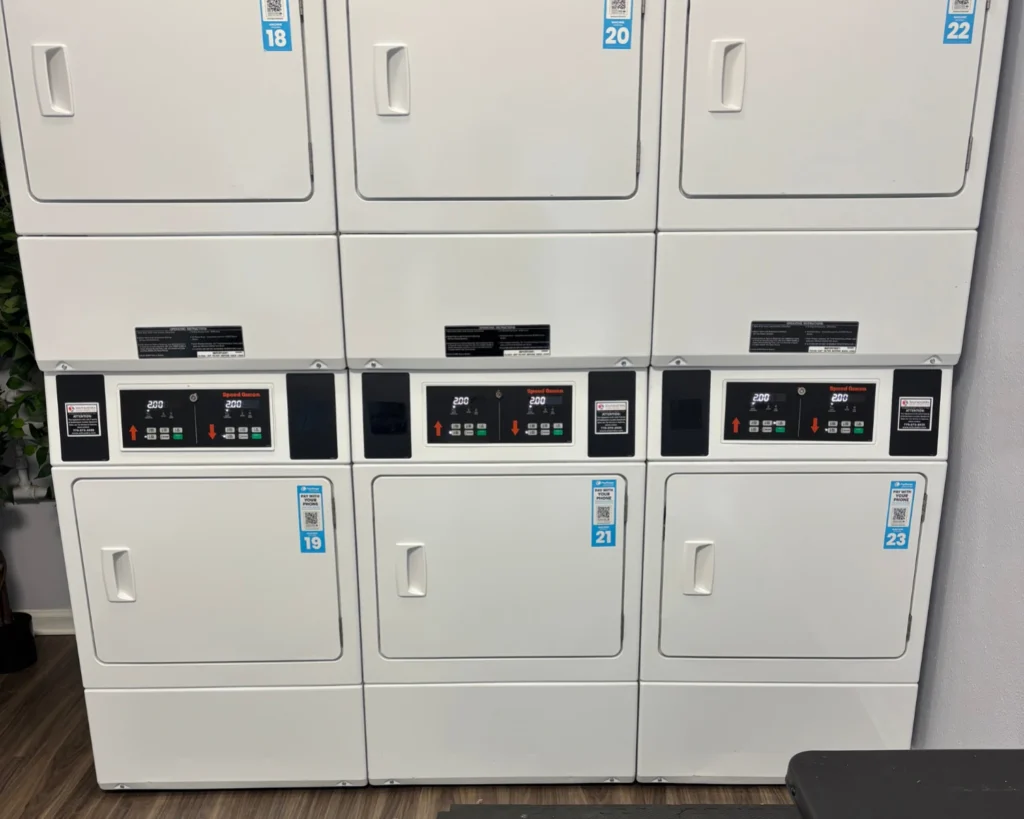
Not every hour has equal demand. That is where time-of-day pricing may help move flexible customers into slower periods while allowing stronger pricing during peak hours.
For example, a weekday morning promotion could attract retirees, remote workers, parents, or customers with flexible schedules. Meanwhile, standard or premium rates can remain in place during high-demand evening and weekend periods.
Payment systems that support configurable pricing can make time-of-day rate changes easier to manage. Depending on the system, they may also support loyalty programs, digital promotions, cycle modifiers, and contactless payments.
Southeastern Laundry Equipment offers commercial card- and coin-operated laundry machines designed for laundromat environments, including options that support coin, card, and contactless payments. These features can help owners create a more flexible customer experience without abandoning payment methods their current customers still use.
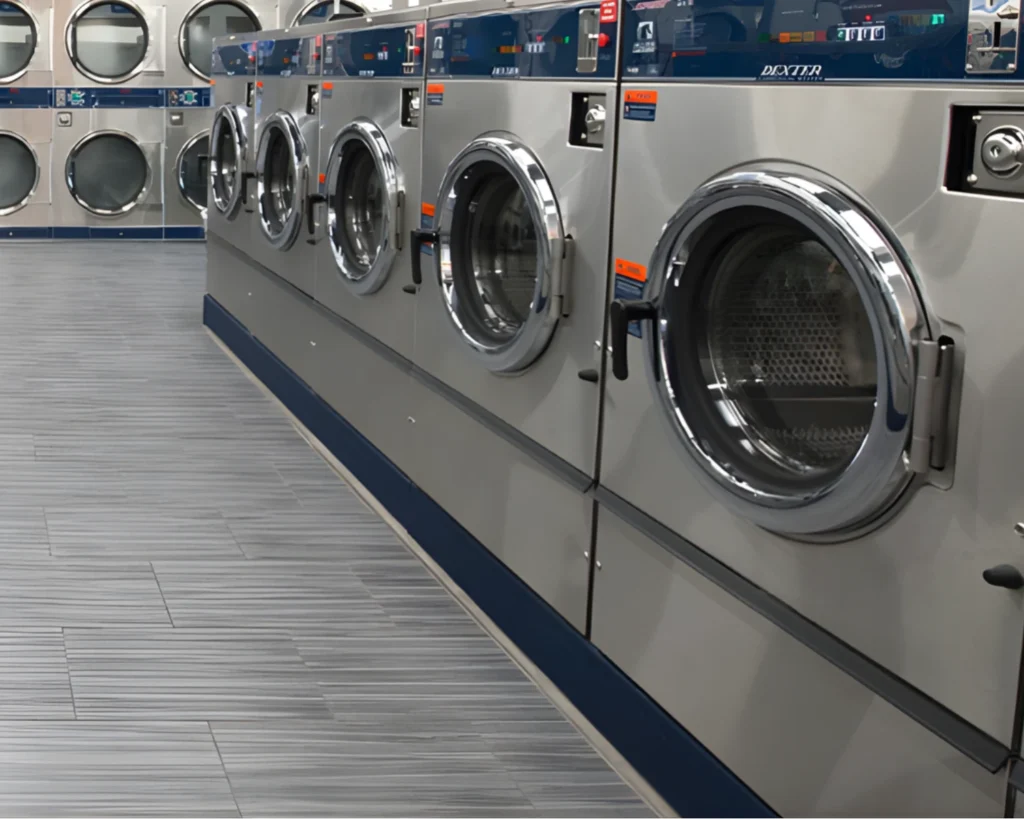
Utility costs can take a substantial share of laundromat revenue. For that reason, equipment efficiency should be evaluated as a profit strategy, not simply as an environmental upgrade.
ENERGY STAR reports that certified commercial clothes washers are, on average, 9% more energy efficient and use about 45% less water than standard models. These figures apply specifically to ENERGY STAR-certified commercial washers, and actual savings vary based on machine type, capacity, usage, local utility rates, and operating conditions.
High-extraction washers may remove more moisture before a load reaches the dryer, depending on the machine’s extraction speed, programming, condition, cycle selection, and the type of laundry being washed. As a result, some customers may need less drying time, and the store may use less dryer energy.
However, replacing equipment should be based on a complete cost review. Consider repair frequency, downtime, utility use, customer complaints, machine capacity, payment options, and remaining useful life.
| Profit factor | Older or poorly matched equipment | Better-matched commercial equipment |
|---|---|---|
| Utility use | May consume more water or energy per cycle | Can reduce resource use per completed load |
| Downtime | Frequent repairs can interrupt revenue | Reliable machines help protect machine availability |
| Customer experience | Slow cycles or limited options may frustrate users | Clear controls and flexible cycles improve convenience |
| Capacity | Small machines may limit throughput | A balanced capacity mix can handle more load types |
| Payment | Coin-only operation may limit some customers | Coin, card, and contactless options increase flexibility |
| Revenue control | Limited pricing options | Cycle modifiers and configurable pricing can raise average spend |
The right equipment mix depends on your customer base and store layout. For that reason, Southeastern Laundry Equipment provides laundromat equipment and support for operators evaluating washer capacities, dryers, payment systems, accessories, purchasing, and leasing options.
Could your current equipment be limiting your laundromat’s profit potential?
Southeastern Laundry Equipment can help you review machine capacity, payment options, efficiency, layout, and replacement needs based on your store’s goals.
Request a Laundromat Equipment ReviewA machine that is out of service cannot generate direct self-service cycle revenue while it is unavailable. In addition, repeated breakdowns can create lines, frustrate customers, and make the entire store appear poorly managed.
Track service issues by machine rather than relying on memory. Record the date, symptoms, repair performed, parts used, and time out of service. Over time, this history can help you identify machines that cost more to maintain than they contribute.
Preventive maintenance also matters. Cleaning lint areas, checking hoses and seals, inspecting drains, and following manufacturer service schedules may help catch problems before they become major interruptions.
When professional support is needed, a dependable service relationship can reduce uncertainty. Southeastern Laundry Equipment offers commercial laundry repair services that can support equipment performance and help owners address service needs.
Vending works best when the products solve an immediate customer problem. Someone who forgot detergent, needs a laundry bag, or wants a drink while waiting is already in a buying situation, so the right products can increase average customer spend without adding much complexity to the visit.
Useful options may include single-use detergent, fabric softener, dryer sheets, stain-removal products, laundry bags, beverages, and simple snacks. Product selection should reflect the customers who actually use your store, the amount of available space, and local buying habits. A family-focused laundromat may need a different product mix than a store near a college campus or apartment community.
Placement and upkeep matter just as much as the products themselves. Customers should be able to see the vending area before they start a cycle, and every machine should be clean, stocked, and clearly priced. An empty or poorly maintained vending machine does more than miss a sale. It can make the rest of the laundromat feel neglected.
Review sales on a regular schedule and pay attention to customer requests. Slow-moving items should be replaced with products customers are more likely to need during a visit. Over time, a small, well-managed vending area can become a dependable source of add-on revenue.
A loyalty program should give customers a clear reason to choose your laundromat again, but it does not need to be complicated. The most effective programs are easy to understand and offer a reward that feels useful rather than difficult to earn.
Customers might receive credit after a certain number of washes, a birthday offer, or a small bonus when they add funds to a payment account. You can also use targeted promotions during slower periods instead of discounting every cycle for every customer. That approach can help shift demand without reducing revenue during your busiest hours.
Make the rules clear from the beginning. Customers should know how they earn rewards, when they can use them, and whether any restrictions apply. Digital payment platforms may make loyalty tracking easier, but coin-based laundromats can still offer printed promotions, wash-and-fold rewards, or occasional customer appreciation offers.
Use discounts with a specific purpose. The goal is to increase visit frequency and customer retention, not to train customers to wait for a lower price. Track participation and repeat visits so you can see whether the program is creating profitable behavior rather than simply giving away free cycles.
Customers notice more than the machines. Lighting, cleanliness, temperature, seating, signage, parking, restroom condition, and staff behavior all shape how they feel about the store and whether they choose to return.
A strong customer experience starts with the basics. Floors, folding tables, machine surfaces, carts, detergent areas, and restrooms should be cleaned on a consistent schedule. Damaged signs and handwritten instructions should be replaced with clear, professional labels that help customers use the store without confusion.
Once those basics are handled, features such as Wi-Fi, charging outlets, comfortable seating, and visible security measures can make the visit more pleasant. These upgrades are useful, but they should support the core experience rather than distract from it. Working equipment, a clean store, clear pricing, and responsive staff generally matter more than extra amenities.
Walk through the store as though you are visiting for the first time. A new customer should be able to understand machine sizes, wash and dry prices, payment methods, cycle choices, and basic store rules without having to search for help.
Clear signage reduces confusion and cuts down on repetitive questions for employees. Labels near the machines can explain capacity, suitable load types, pricing, and premium cycle benefits. Separate signs near the service counter can cover wash-and-fold instructions, loyalty rewards, and staff contact information.
Placement matters as much as wording. Customers need information at the point where they are making a decision, not on the opposite side of the store. After installing new signs, watch how people use the space and note the questions they continue to ask. Repeated confusion usually means the message needs to be clearer, shorter, or moved closer to the relevant machine or service area.
Local marketing should focus on the reasons nearby customers would choose your store, such as convenient hours, large-capacity machines, cleanliness, payment options, wash-and-fold service, or pickup and delivery. General advertising is less useful when it does not explain what makes the laundromat a better fit for the people who live and work nearby.
Keep your Google Business Profile accurate with current hours, recent photos, contact details, and service information. Respond professionally to reviews, including critical ones. A calm, specific response can show prospective customers that the business takes concerns seriously and is willing to address problems.
Local partnerships can also create steady demand. Apartment communities, salons, fitness businesses, short-term rental operators, restaurants, and other organizations may have recurring laundry needs. These relationships can support wash-and-fold or pickup-and-delivery growth while allowing your team to process every order at your laundromat.
Track each promotion with a code, dedicated landing page, intake form, or a simple question at checkout. That information helps you see which channels lead to profitable visits and which ones are only creating attention. Without tracking, it is easy to keep spending money on marketing that does not produce meaningful revenue.
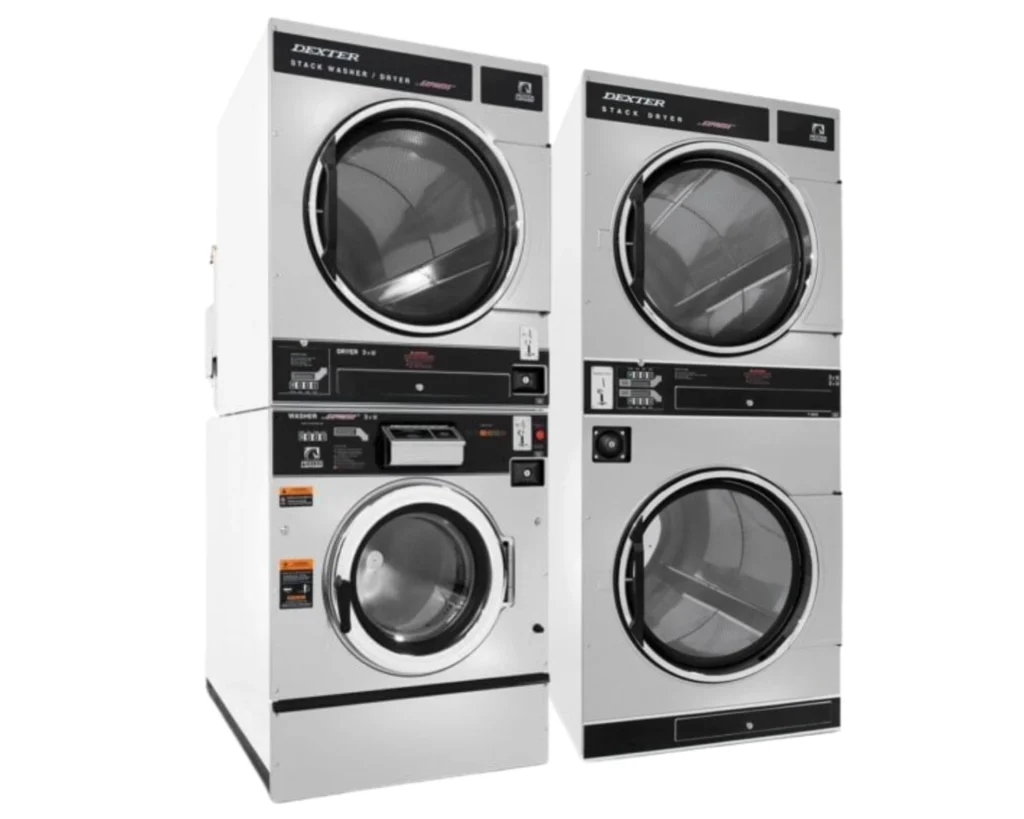
You do not need to implement every idea at once. Changing too many parts of the business at the same time can make it difficult to tell which improvement affected revenue, customer satisfaction, or operating costs.
Start by ranking potential projects according to cost, customer value, operational difficulty, and expected financial effect. Problems that are already reducing revenue should come first. Broken machines, poor signage, cleanliness complaints, and pricing that no longer covers operating costs can all weaken performance before you add a new service.
Once the most urgent problems are under control, test manageable growth opportunities such as improved vending, a limited loyalty offer, or wash-and-fold service during selected hours. Small tests give you a chance to measure demand and adjust the process before making a larger investment.
Equipment changes require a broader review because they affect capacity, store layout, utility use, payment systems, financing, and long-term service needs. Southeastern Laundry Equipment’s guide to starting and planning a laundromat covers business planning, equipment selection, store design, installation, leasing, and financing. Those resources can also be useful when you are planning a renovation or major equipment upgrade.
The best way to increase your laundromat profits is to make each part of the current store work harder.
Added services can generate more revenue from existing equipment. Smarter pricing can improve income per cycle. Loyalty programs can encourage repeat visits. Meanwhile, efficient machines and preventive maintenance can control operating costs and reduce lost revenue from downtime.
The right strategy will depend on your customers, equipment age, machine mix, local competition, and financial goals. Even so, every improvement should answer one question: Will this make the laundromat more useful to customers or more efficient to operate?
When you are considering an equipment upgrade, payment-system change, store redesign, or capacity adjustment, experienced guidance can help you compare the options. Southeastern Laundry Equipment works with laundromat owners on commercial equipment, accessories, service, purchasing, leasing, and store-specific solutions.
Ready to increase your laundromat profits?
Talk with Southeastern Laundry Equipment about commercial machines, payment systems, store upgrades, financing options, and service support for your existing laundromat.
Discuss Your Laundromat GoalsA stronger laundromat does not always require another address. With the right improvements, your existing location can serve more customers, generate more value per visit, and build a more reliable path to long-term profitability.
You can increase your laundromat profits by improving pricing, adding wash-and-fold service, offering pickup and delivery, reducing equipment downtime, upgrading inefficient machines, and improving the customer experience. Start by reviewing machine usage, utility costs, repair history, and average customer spend.
Wash-and-fold, pickup and delivery, vending, premium wash cycles, oversized machines, and loyalty programs can all increase revenue. Each service should be priced to cover labor, supplies, utilities, transportation, and equipment use.
Wash-and-fold can be profitable when it is priced correctly and supported by a consistent process. Owners should account for labor, detergent, packaging, utilities, machine use, payment fees, and turnaround time before setting prices.
An out-of-service washer or dryer cannot generate direct cycle revenue while it is unavailable. Frequent breakdowns may also create longer waits and push customers toward another laundromat, making preventive maintenance and reliable repair support important.
Replacement may make sense when machines need frequent repairs, use excessive utilities, no longer meet customer demand, or cause repeated downtime. Owners should compare repair costs, remaining machine life, payment compatibility, capacity, and potential operating savings.
Southeastern Laundry Equipment can help laundromat owners evaluate commercial washers and dryers, payment systems, equipment capacity, store layout, purchasing, leasing, and repair support. The right equipment and service plan can improve efficiency, reduce downtime, and support long-term profitability.