
Clean car wash towels can be the difference between a customer driving away happy and one noticing a hazy windshield as soon as the sun hits the glass. On a busy Saturday, your team does not have time to hunt for a fresh towel, rewipe the same mirror, or explain why a vehicle still has streaks after the final pass.
At a working car wash, towels have a tough job. They touch glass, paint, chrome, trim, door jambs, and interior surfaces all day, often after picking up water, wax, road film, oils, and cleaning chemicals. When those towels are clean, soft, absorbent, and ready where employees need them, the finishing process feels smoother for everyone. When they are overloaded, gritty, too wet, or poorly rinsed, small problems show up fast.
That is why an on-premise laundry, or OPL, workflow matters. Processing towels on site helps your team keep pace with traffic, weather changes, wash packages, and daily soil levels. Instead of treating towel laundry as a back-room chore, a good OPL setup makes clean car wash towels part of the daily routine that helps customers leave with a better-looking vehicle.
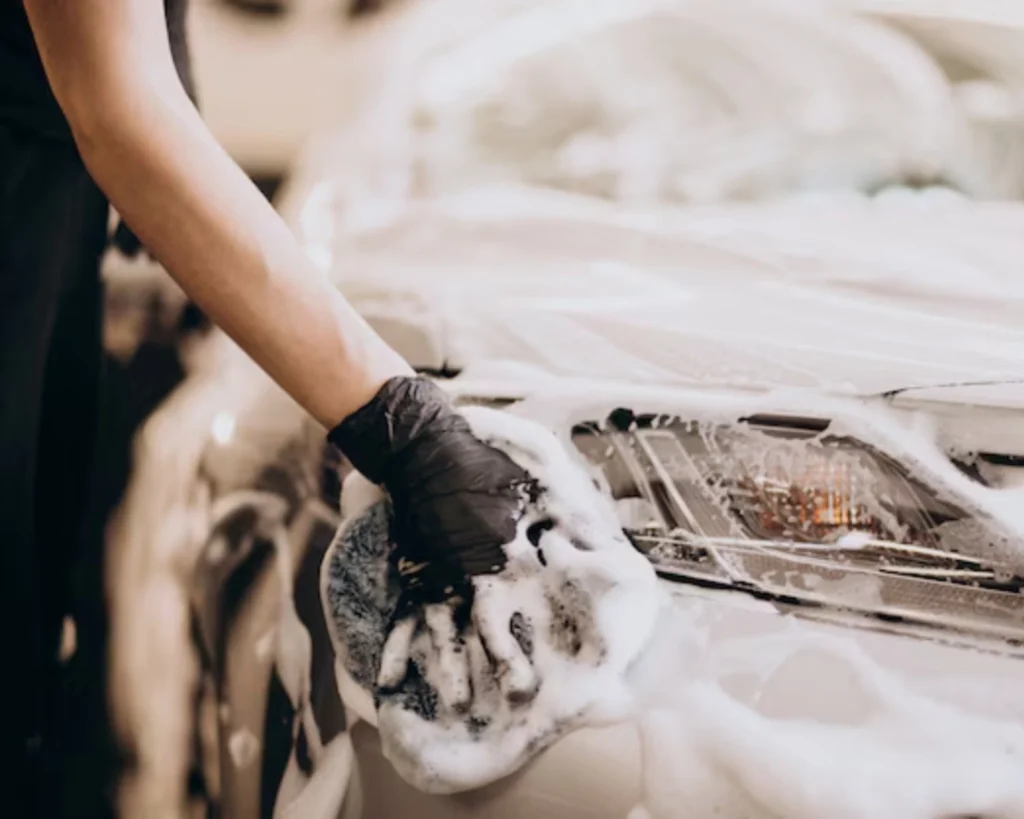
Clean car wash towels matter because they are often one of the last things to touch the vehicle before the customer leaves. A strong wash process can still feel incomplete if the windshield has a film on it, the mirrors are streaked, or the paint looks dull in direct sunlight. Those are the details customers notice when they pull out of the lane, park at home, or look back at their vehicle in a parking lot.
For most customers, the final look is what they remember. They may not know which chemicals were used or how your tunnel is configured, but they can tell when the glass is clear and the body panels look evenly finished. That makes towel quality more than a supply issue. It affects how the service feels at the end, especially during rush periods when employees need to move quickly without cutting corners.
This matters for express, flex-serve, and full-service car washes. When clean car wash towels are staged properly and rotated often, employees can work at a steady pace instead of stopping to search for usable towels or fixing streaks left behind by worn-out ones.
Streaks usually happen when water, cleaner, wax, road film, or towel residue is moved around instead of removed. Because towels absorb and lift contaminants, their condition has a direct effect on the final look. A towel may appear usable at a glance, yet still hold detergent buildup, oily residue, trapped grit, or hard-water minerals.
For that reason, a strong car wash towel laundry process should focus on more than visible cleanliness. It should also help restore absorbency, rinse away chemistry, and separate towels by task. If glass towels carry wax residue, for example, the windshield can look cloudy. If paint towels are washed with heavily soiled wheel towels, fine grit may transfer to surfaces that need a softer touch.
A practical towel program keeps standards simple. For example, towel colors by task, dedicated return bins, and separate wash loads for high-soil items can help protect the final result and make training easier.
For outside context, BrightLocal’s 2025 Local Consumer Review Survey found that consumers still pay attention to the details in local business reviews, especially descriptions of real customer experiences. That matters for car washes because reviews often mention visible results, such as clean windows, streak-free finishes, fast service, and whether the vehicle looked worth the price. Separately, microfiber cleaning guidance warns that dirty or low-quality microfiber can trap fine particles, dull car paint, or leave scratches when used the wrong way. Together, those points make towel care a practical part of customer experience, not just a laundry task.
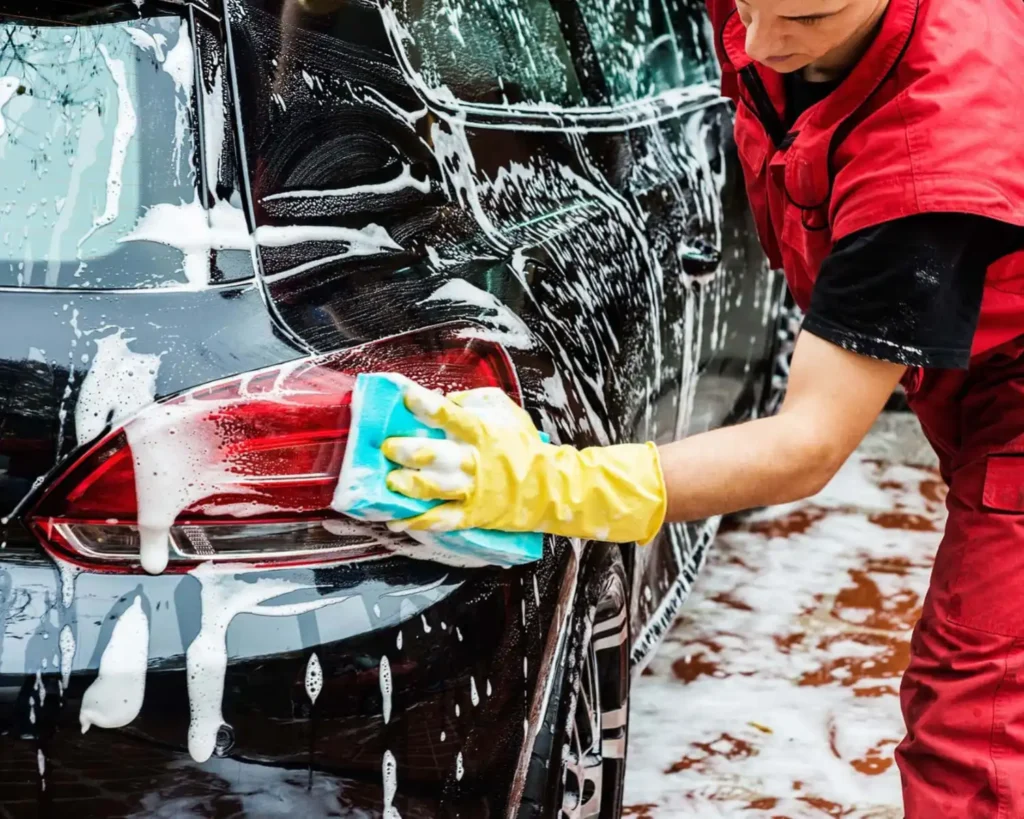
Rework costs time. When a towel leaves streaks on glass or pushes moisture across a panel, an employee has to wipe again. Then another customer waits, another towel gets used, and the finishing area becomes less predictable.
Clean car wash towels help reduce that extra handling. They absorb faster, glide better, and leave fewer visible marks. As a result, employees can finish vehicles with fewer passes. This improves throughput and helps customers feel that your team is efficient without seeming rushed.
In addition, cleaner towels can reduce employee frustration because staff members do not need to compensate with extra pressure or repeated wiping.
Modern vehicle finishes can look durable, but they still need careful handling. Dirty or low-quality towels can hold dust and fine debris that may dull or scratch car paint. Therefore, clean car wash towels should be treated as part of a paint-safe process, not simply as reusable rags.
This does not mean every towel issue will cause immediate visible damage. However, repeated contact with contaminated towels can contribute to swirl marks, especially when employees apply pressure to remove leftover moisture or residue.
The safer approach is to create a towel system that limits contamination from the start. That means using designated towel types, removing damaged towels, washing towels before they become overloaded, and keeping clean towels away from dirty carts, wet floors, and chemical splash zones.
Microfiber towels are popular in car wash and detailing environments because they are soft, absorbent, and effective at lifting fine particles. However, microfiber performs best when it is washed and handled correctly. Excess detergent, fabric softener, high heat, and mixed-soil loads can reduce performance over time.
For paint, towels should stay soft and free of hard debris. For glass, towels should be low-lint and free of wax or dressing residue. Consequently, each towel category should have a clear path from use to collection, washing, drying, folding, and storage.
| Towel use area | Common soil or residue | Laundry workflow priority |
|---|---|---|
| Exterior paint drying | Water, road film, light grit | Preserve softness and absorbency |
| Glass and mirrors | Cleaner, fingerprints, minerals | Avoid lint, wax, and detergent residue |
| Interior wipe-downs | Dust, skin oils, protectants | Prevent oily transfer to other towels |
| Wheels and door jambs | Brake dust, grease, heavy soil | Keep separate from paint and glass loads |
This table gives teams a simple framework. When towels are sorted by use, clean car wash towels are easier to produce consistently.
A car wash does not use towels evenly throughout the day. Demand rises during lunch breaks, after storms, on weekends, during pollen season, and whenever promotions increase traffic. Therefore, towel availability should be built around real operating patterns.
An OPL laundry workflow gives managers more visibility into towel movement. Towels can be collected throughout the shift, processed in batches, and returned to service based on actual need. Meanwhile, staff can adjust loads when weather or traffic changes.
Southeastern Laundry Equipment supports on-premise laundry operations with equipment planning, installation, workflow support, and ongoing service for commercial facilities. Its OPL resources also identify car washes as an industry that benefits from on-premise laundry systems, which makes its guidance relevant for operators trying to connect towel care with customer experience.
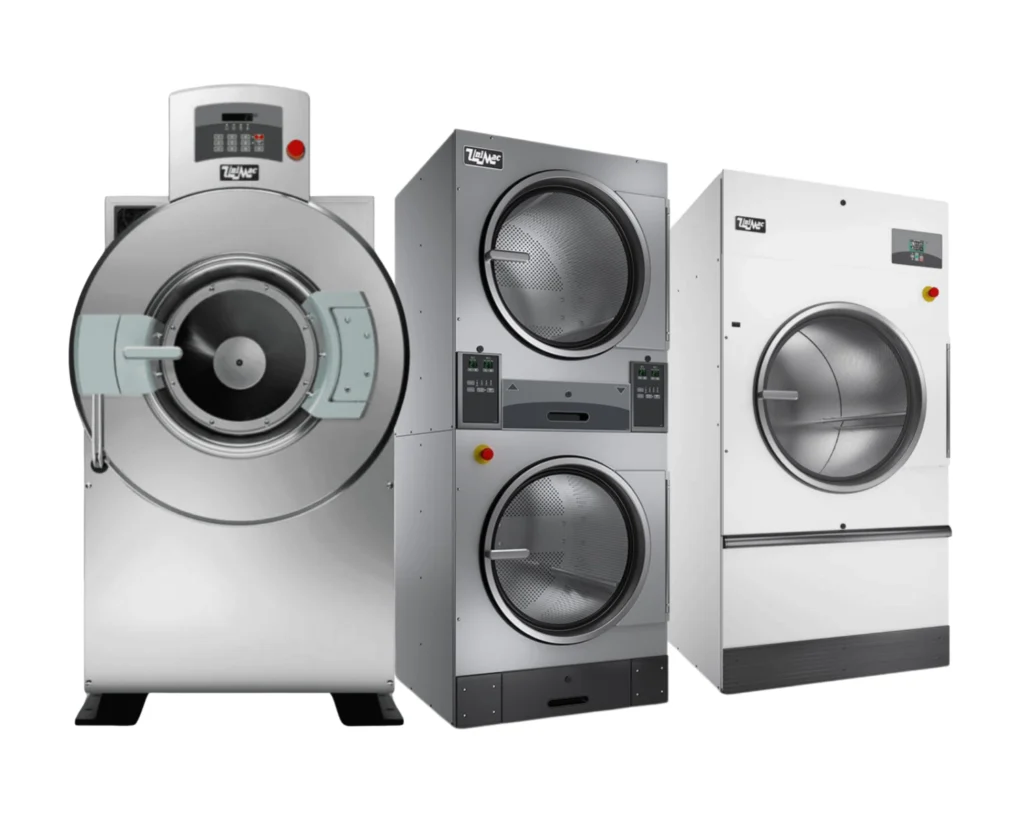
The right OPL setup depends on towel count, soil level, operating hours, available space, utilities, and turnaround goals. However, a multi-lane or high-volume location may need more capacity, faster extraction, or a dryer strategy that supports constant towel circulation.
Right-sizing matters because undersized equipment creates bottlenecks. Towels pile up, employees reuse towels too long, and managers lose control during peak periods. On the other hand, a well-planned system keeps clean towels available without crowding the laundry area or creating unnecessary complexity.
This is where a commercial laundry equipment partner can help. Southeastern Laundry Equipment provides commercial laundry equipment and solutions for OPL operations, including capacity-based planning and workflow optimization. Instead of looking at a washer or dryer in isolation, a better planning process starts with how towels move through the car wash each day.
Need a better way to keep clean car wash towels moving?
Southeastern Laundry Equipment can help you review your towel volume, laundry layout, and OPL workflow so your team has the right towels ready when traffic picks up.
Explore On-Premise Laundry SolutionsSpeed matters in the car wash industry, but speed only helps when the finish still meets expectations. Clean car wash towels support both goals. Because they absorb more effectively, employees can dry glass, mirrors, and body panels in fewer passes. Also, towels staged close to the finishing area reduce unnecessary walking and searching.
A faster process often comes from small operational wins. For example, a towel cart near the exit lane, a clearly marked return bin, and a washer-extractor cycle that removes more moisture can shorten the path from use to reuse.
Customer reviews rarely mention laundry equipment by name. However, they often mention the visible results a good towel process helps create: clean windows, fewer streaks, friendly staff, quick service, and a vehicle that looks worth the price.
A customer who leaves with streaky glass may think the wash package failed. However, a customer who sees a team member grab a clean, neatly folded towel may see care and professionalism. In a membership-based model, that consistency is especially valuable.
A good towel process should be easy to repeat. It should not depend on one experienced employee knowing what to do. Instead, it should be visible, trainable, and practical for daily operations.
Start by mapping the towel path. Where are clean towels stored? Where do dirty towels go? How often are loads started? Who checks finished towels before they return to service? Once these steps are clear, managers can remove bottlenecks and reduce cross-contamination.
Next, set simple standards. Towels that touch wheels should not touch paint. Towels with rough edges, stains, or embedded debris should be removed from finish work. Additionally, clean towels should be stored above floor level and away from chemical overspray.
Finally, match the laundry process to the site’s traffic. A quiet weekday and a sunny Saturday do not need the same towel rhythm.
The equipment behind the process should match the towel program. Commercial washers, dryers, and related systems need to handle repeated loads, wet towels, chemical residue, and daily use. In addition, maintenance support matters because towel delays can quickly affect the customer-facing side of the business.
Southeastern Laundry Equipment provides commercial laundry repair, scheduled maintenance, service agreements, and equipment support across the Southeast and Texas. For car wash operators, that matters because an OPL system is most valuable when it stays dependable.
Even good equipment can underperform in a poor layout. If dirty towels cross through clean storage areas, contamination becomes more likely. If employees walk too far for fresh towels, finishing slows down. If the laundry room has poor ventilation, drainage, or storage, the process becomes harder to manage.
A better layout separates dirty, washing, drying, folding, and clean storage zones as much as the space allows. Also, the clean towel staging point should be close enough to the team that fresh towels are easy to grab without creating clutter. This helps the operation stay organized during peak demand.
Southeastern Laundry Equipment’s on-premise laundry planning approach includes space, utility, workflow, and long-term processing considerations. For a car wash, those details can turn the laundry room into an active part of towel turnover.
lean car wash towels improve the customer experience because they affect the parts of the wash customers notice most. They support clearer glass, smoother drying, safer handling around paint, and a more polished final impression. More importantly, they help employees do the job right without wasting time looking for usable towels or wiping the same areas again.
For car wash operators, the goal is not to make laundry complicated. The goal is to create a steady OPL workflow that keeps the right towels ready at the right time. When that happens, employees can keep cars moving, customers leave with a cleaner, more consistent finish, and the wash experience feels more reliable from one visit to the next.
Southeastern Laundry Equipment helps commercial facilities plan, support, and maintain on-premise laundry systems that fit real operating needs. If clean towels are becoming a bottleneck, or if your car wash is growing and needs a more reliable towel process, it may be time to look at towel volume, workflow, equipment, and service support together.
Ready to improve your car wash towel workflow?
Talk with Southeastern Laundry Equipment about commercial laundry equipment, service support, and OPL planning for your car wash operation.
Contact Southeastern Laundry EquipmentClean car wash towels help create the final impression customers see when they drive away. If towels are soft, absorbent, and free of residue, they can help reduce streaks on glass, remove leftover moisture, and leave paint looking cleaner. When towels are dirty, gritty, or overloaded with chemicals, they can slow employees down and affect the finished look of the vehicle.
Clean car wash towels absorb water and lift away light residue instead of spreading it across glass, mirrors, or paint. Streaks often happen when towels hold too much detergent, wax, road film, or moisture. A consistent on-premise laundry workflow helps keep towels properly washed, rinsed, dried, and ready for the next vehicle.
The best way to keep towels clean during busy hours is to create a simple towel rotation system. Used towels should go into clearly marked bins, heavily soiled towels should be separated from glass and paint towels, and fresh towels should be staged close to the finishing area. With the right OPL setup, your team can process towels throughout the day instead of waiting until towel supply becomes a problem.
Dirty or contaminated towels can hold grit, dust, oils, and chemical residue. If those towels are used on painted surfaces, they may leave marks, dull the finish, or increase the risk of fine scratches. That is why car washes should separate towels by use area and remove worn or contaminated towels from finishing work.
A car wash should wash towels as often as needed to keep clean car wash towels available throughout the workday. The right schedule depends on traffic volume, weather, wash packages, towel inventory, and soil level. Many car washes benefit from processing towels in smaller batches throughout the day so employees always have fresh towels ready during peak times.
An OPL laundry system gives car wash operators more control over towel quality, timing, and workflow. Instead of waiting for towels to pile up, staff can wash, dry, fold, and restock towels based on real-time demand. This helps support faster service, cleaner finishes, and a more consistent customer experience.
Commercial washers and dryers designed for on-premise laundry can help car washes keep towels moving through the cycle more efficiently. The right setup depends on towel volume, available space, utility access, and how quickly towels need to return to service. Southeastern Laundry Equipment can help car wash operators review these details and plan an OPL workflow that fits daily operations.
Southeastern Laundry Equipment helps commercial facilities plan, install, service, and maintain on-premise laundry systems. For car washes, that support can include reviewing towel volume, laundry room layout, equipment needs, and service requirements. The goal is to help your team keep clean car wash towels available when customers are moving through the wash.