
Commercial laundry maintenance plans protect the behind-the-scenes work your customers, guests, residents, patients, and staff depend on every day. Most people do not think about laundry equipment when everything is running well. They only notice when clean towels are missing, linens are delayed, uniforms are not ready, or a machine has an out-of-order sign during a busy shift.
That is why service after installation matters so much. A laundry room may sit in the back of a hotel, gym, senior living community, healthcare facility, or laundromat, but its impact is felt throughout the business. Housekeeping teams need steady linen flow. Residents need dependable access to clean laundry. Members expect towels to be ready. Customers expect machines to work when they arrive.
A good maintenance plan helps your team stay ahead of those problems instead of waiting for a breakdown to set the schedule. With planned inspections, routine service, repair support, and access to parts, businesses can keep laundry operations more predictable. For companies across the Southeast, Southeastern Laundry Equipment provides service-focused support built around keeping commercial laundry equipment working when it is needed most.
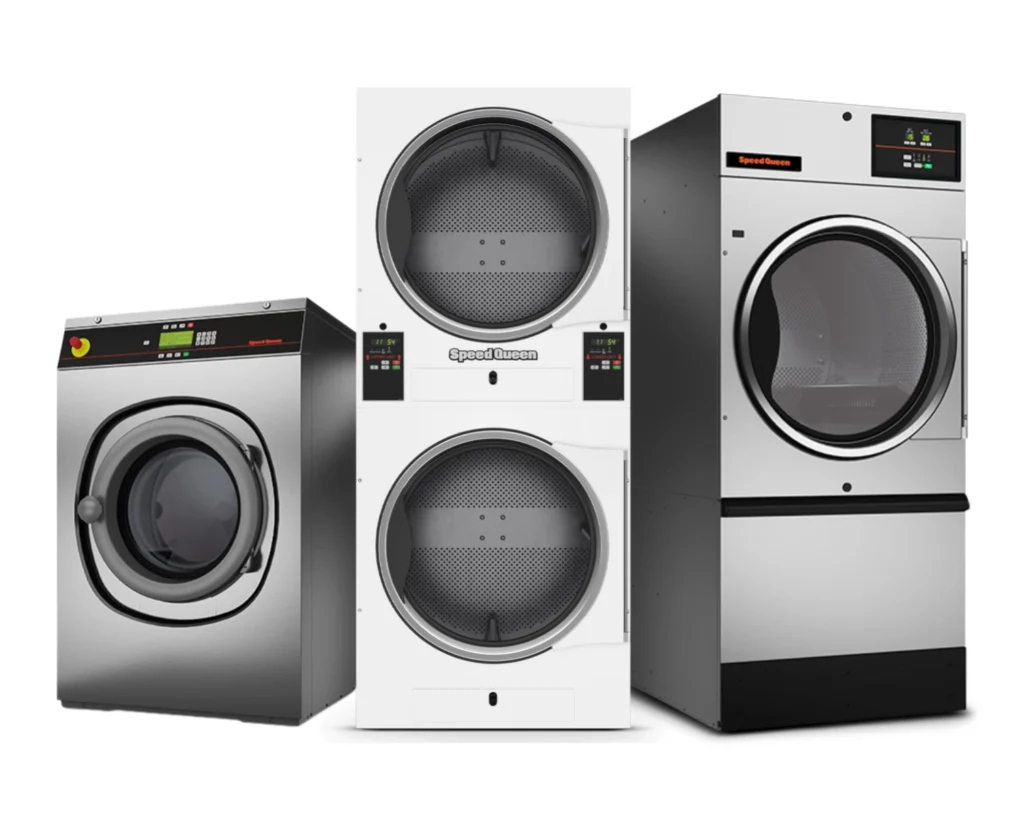
A successful installation is only the starting point. Commercial washers and dryers are built for heavy use, but they still work in tough conditions day after day. They handle moisture, heat, chemicals, lint, vibration, heavy loads, and repeated cycles. Over time, those conditions can wear on belts, hoses, drain systems, controls, vents, bearings, and other parts that keep the laundry room moving.
The problem is that early warning signs are easy to overlook during a busy week. A dryer may take a little longer than usual. A washer may leave loads wetter than expected. Staff may hear a new vibration but keep using the machine because there is laundry waiting. None of these issues may feel urgent at first, but they can quietly slow down production and put more pressure on the rest of the operation.
Commercial laundry maintenance plans give facility managers a more organized way to deal with those risks. Instead of relying on someone to notice a problem at the worst possible time, scheduled service creates regular opportunities to inspect equipment, clean key areas, check performance, and make recommendations before a small issue becomes a major interruption.
For businesses that depend on steady laundry output, that planning matters. Maintenance is not just about protecting equipment. It also protects room readiness, resident comfort, staff productivity, customer satisfaction, and the daily routines that depend on clean laundry being available.
A strong service plan should make the laundry room easier to manage, not more complicated. While every facility has different equipment, volume, staffing, and peak-use times, the best commercial laundry maintenance plans usually focus on three practical goals: preventing avoidable problems, keeping useful service records, and making repair support easier to access when something does go wrong.
Preventive maintenance is where a service plan starts to pay off in everyday operations. During scheduled visits, a technician can inspect washers, dryers, controls, drain systems, hoses, belts, lint areas, vents, bearings, and other components that take on regular wear. They can also look for signs that staff may not catch during a normal workday, such as poor airflow, slow fill times, drainage problems, leaks, unusual vibration, or cycle behavior that seems slightly off.
This routine attention is important because laundry equipment rarely fails at a convenient time. Breakdowns tend to happen when machines are already under pressure, such as during a hotel turnover, a busy laundromat weekend, or a heavy linen day at a care facility. Planned maintenance gives your team a better chance to address problems before they turn into production delays.
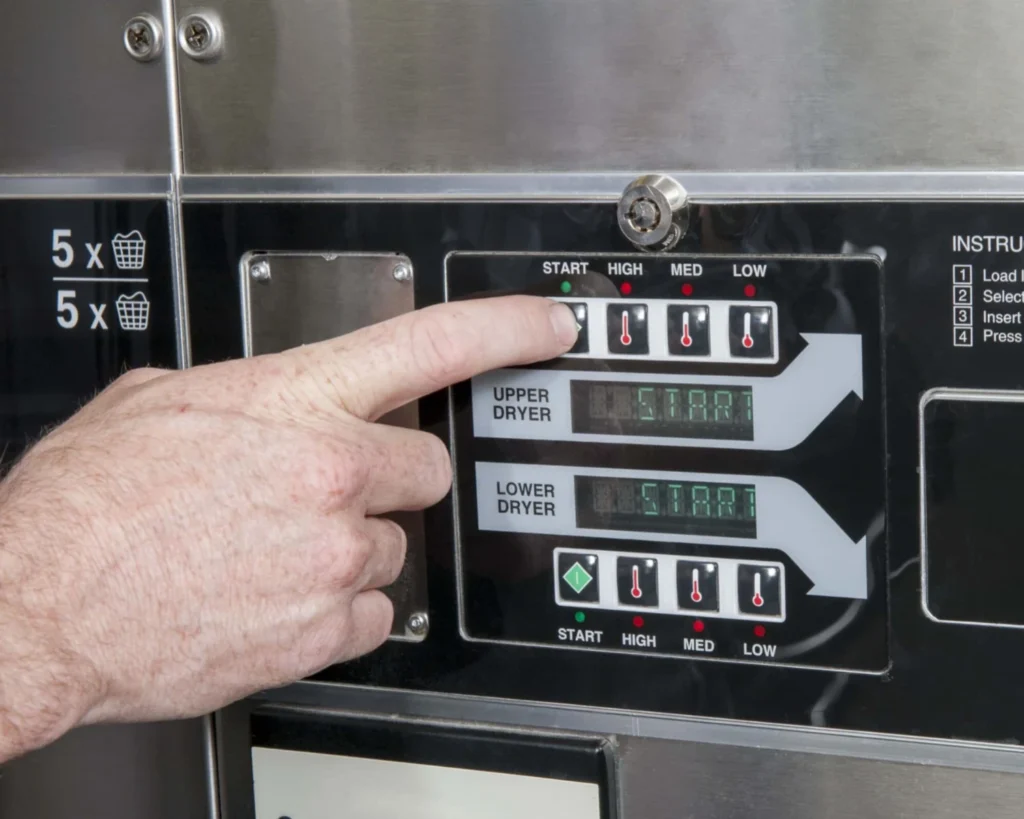
Good maintenance also creates a useful record. When a technician documents what was inspected, repaired, cleaned, adjusted, or recommended, your team can make better decisions over time. For example, repeated calls on the same machine may point to a deeper issue. Meanwhile, machines with consistent service histories may be easier to budget for and manage.
A clear service record also helps when multiple managers or staff members oversee the same laundry room. Instead of relying on memory, your team can review what has happened and what needs attention next.
Even with consistent care, equipment can still fail. Consequently, commercial laundry maintenance plans should include a clear process for emergency commercial laundry repair. Your team should know who to contact, what information to provide, and how quickly support can begin.
Southeastern Laundry Equipment’s commercial laundry repair and equipment services are designed for businesses that need responsive help with washers, dryers, and complete laundry systems. That kind of structure is especially valuable when downtime affects guest service, resident satisfaction, patient care, or daily revenue.
Need a clearer plan for laundry equipment service?
Southeastern Laundry Equipment can help you review your current laundry setup and discuss commercial laundry maintenance plans built around uptime, repairs, and ongoing support.
Request a Service PlanWhen laundry equipment fails, the repair bill is only one part of the problem. Downtime can change the pace of the entire day. Staff may need to rearrange tasks, wait on loads, move laundry to another machine, or explain delays to customers, residents, guests, or department managers. In a business where laundry supports daily service, even one down machine can create pressure quickly.
Hotels are a good example. During a high-occupancy weekend, housekeeping teams rely on steady linen flow to keep rooms turning on schedule. If a washer or dryer stops working during that window, the issue can move beyond the laundry room. Clean sheets, towels, robes, and staff uniforms may not be ready when they are needed, which can slow room readiness and affect the guest experience.
Gyms, spas, salons, and athletic facilities deal with a different kind of pressure. Their laundry needs may seem smaller than a hotel’s, but towels, robes, and treatment linens are often used throughout the day. When laundry falls behind, staff may have to ration supplies, delay restocking, or adjust service routines. Members and clients may not know exactly what happened, but they will notice when the facility feels less prepared.
Healthcare and senior living facilities carry even higher expectations because laundry supports comfort, hygiene, and daily care routines. Linens, towels, apparel, and cleaning textiles need to be available consistently, and laundry areas often have more formal handling expectations than other commercial settings. When equipment problems interrupt that process, the impact can reach nursing teams, environmental services, residents, patients, and administrators.
Laundromats and shared laundry rooms feel downtime in a more visible way. Customers and residents see the out-of-order sign immediately. In a laundromat, one unavailable machine can affect wait times and customer confidence during peak evening or weekend traffic. In apartment communities, condos, and student housing, delayed repairs can create complaints and add more work for property managers who are already balancing maintenance requests.
That is why emergency commercial laundry repair should be part of the service conversation from the beginning. Fast support is not just about convenience. It helps protect the experience your business or property is expected to provide every day.
Two things usually determine how quickly a laundry room gets back on track: the technician’s experience and access to the right part. A diagnosis is helpful, but if the repair has to wait several days for a common component, the business is still left working around a down machine. That delay can create extra labor, slower turnaround, frustrated customers, and more pressure on the rest of the equipment.
When comparing commercial laundry maintenance plans, parts availability deserves a serious look. A service provider should understand your equipment brands, carry or source common repair parts efficiently, and send technicians who are used to working in high-volume laundry environments. It also helps to know how service requests are handled, how updates are communicated, and what happens when an urgent issue comes in during a busy operating window.
Southeastern Laundry Equipment notes that its repair service dispatches trucks with 1,200 unique replacement parts for commercial and coin-operated washers and dryers. In addition, its service request page highlights on-call parts and service for major brands, including UniMac®, Dexter, and Braun. For busy facilities, that combination of equipment knowledge and parts access can help shorten the path from problem to resolution.
Technician response time is also important. However, speed should not come at the expense of accuracy. A quick visit that misses the root cause can lead to another breakdown soon after. Ideally, your service partner should provide both responsive scheduling and careful diagnostics.
Have a machine down or showing signs of trouble?
Get help from a service team that understands commercial washers, dryers, parts, and the pressure downtime puts on your business.
Schedule Commercial Laundry Repair
Commercial laundry maintenance plans work best when they reflect the way your business actually uses its equipment. A hotel, laundromat, gym, and senior living facility may all need clean laundry, but their load patterns, peak hours, and service priorities can be very different.
| Business Type | Common Laundry Pressure | Service Priority |
|---|---|---|
| Hotels and resorts | High linen volume, tight room-turn schedules, and seasonal demand. | Reduce downtime and protect housekeeping workflow. |
| Gyms and athletic facilities | Towels, uniforms, and cleaning textiles used throughout the day. | Maintain steady washer and dryer performance during peak hours. |
| Healthcare and senior living | Daily linen needs tied to care, comfort, and hygiene procedures. | Support reliability, documentation, and consistent equipment performance. |
| Laundromats | Customer-facing equipment with peak weekend and evening usage. | Keep machines available and protect revenue-producing capacity. |
| Multi-housing laundry rooms | Resident satisfaction, shared equipment demand, and property maintenance requests. | Reduce complaints and simplify service coordination. |
For hotels, laundry performance directly affects room readiness. A small delay in washing or drying can ripple into housekeeping schedules, especially when occupancy is high or checkout volume is heavy. Preventive service should pay close attention to throughput, dryer efficiency, drain performance, and washer extraction so linens keep moving and housekeeping teams are not left waiting on the laundry room.
Gyms, spas, salons, and athletic facilities often run smaller loads, but they may run them all day. Towels, robes, cleaning cloths, and treatment linens need to be washed, dried, folded, and restocked between busy periods. Routine maintenance helps keep lint, airflow, water levels, and machine performance under control so staff are not scrambling to catch up during member or client-facing hours.
Healthcare and senior living facilities need dependable laundry routines because linens, apparel, towels, and cleaning textiles support daily care. A maintenance plan can also give managers more consistent documentation, which is helpful when several departments rely on the same laundry operation. With scheduled service and clear notes, teams can track recurring issues, plan repairs more confidently, and avoid letting small equipment problems turn into care-related disruptions.
In laundromats and shared laundry rooms, equipment problems are immediately visible. Customers and residents do not need a detailed explanation. They simply see that a machine is unavailable. Over time, repeated downtime can affect trust in the location, especially during peak hours when people expect to get in, do laundry, and leave without a hassle. A strong service plan helps owners and property teams respond faster, plan around busy periods, and keep the laundry room working the way users expect.
Before choosing a plan, it helps to look beyond the price and ask how the service will actually work on a busy day. A maintenance plan should be easy for your staff to understand, clear about what is included, and practical for the way your laundry room operates.
A few questions are especially useful during that conversation:
These questions give your team a clearer picture of what support will look like after the agreement is in place. They also help you avoid surprises when a machine is down, staff are waiting, and the laundry room needs attention quickly.
In addition, ask how the provider supports facilities like yours. For example, a hotel may need service scheduling that avoids housekeeping bottlenecks. A laundromat may need urgent support before weekend traffic. A senior living facility may need clear communication with maintenance directors and administrators. The right plan should fit the operating reality of the business.
Energy and water performance may also matter. ENERGY STAR reports that certified commercial clothes washers are, on average, more efficient and use less water than standard models. However, even efficient equipment needs routine service to maintain dependable performance. Maintenance, training, and proper operation all work together.
Southeastern Laundry Equipment is a practical fit for businesses that want a service partner, not just a one-time equipment contact. The company supports commercial laundry repair, maintenance, equipment service, parts, and service requests across a range of laundry environments. Because its team works with laundromats, multi-housing properties, on-premise laundry facilities, hospitality operations, and other commercial settings, the conversation can stay focused on how your laundry room actually operates.
Its service agreements are built around predictable support, including options that cover service, labor, and parts for one fixed monthly cost. That structure can help managers plan maintenance expenses more clearly and reduce the stress that comes with unexpected repairs. Just as importantly, priority support can help minimize operational downtime when a machine affects daily service.
For businesses comparing commercial laundry maintenance plans, that kind of support can be valuable. It gives managers a single path for ongoing service, repair requests, parts coordination, and expert recommendations. Instead of starting over every time something breaks, your team can work with people who understand the equipment, the facility, and the importance of uptime.
If your laundry room already supports a busy operation, Southeastern can help review your service needs and identify a plan that fits your equipment, volume, and business type.
Commercial laundry maintenance plans are not only about keeping machines in good condition. They are about protecting the daily work that depends on those machines. Clean linens, dry towels, available uniforms, resident convenience, and customer confidence all rely on a laundry room that performs consistently.
Ongoing service should be part of the plan from the beginning because it gives your team a more reliable way to manage equipment over time. Regular inspections, timely repairs, stocked parts, trained technicians, and clear communication can reduce the risk of disruptive downtime. They also make laundry problems easier to handle when they do happen, because your staff already knows who to call and what to expect.
Whether you operate a hotel, gym, laundromat, healthcare facility, senior living community, or shared residential laundry room, a service-oriented maintenance plan can help protect your schedule, budget, and reputation. To discuss a service plan for your facility, connect with Southeastern Laundry Equipment and start with a maintenance conversation built around uptime.
Ready to protect your laundry operation with ongoing service?
Talk with Southeastern Laundry Equipment about commercial laundry maintenance plans, emergency repair support, and service options for your facility.
Talk With a Service SpecialistCommercial laundry maintenance plans are ongoing service programs designed to help keep washers, dryers, and related laundry equipment running reliably. These plans may include routine inspections, preventive maintenance, repair support, parts coordination, and service recommendations. For businesses that depend on clean linens, towels, uniforms, or customer laundry, a maintenance plan helps reduce surprise downtime and keeps daily operations more predictable.
Commercial laundry maintenance plans are important because laundry equipment often supports the daily flow of a business. Hotels need clean linens, gyms need towels, senior living communities need dependable laundry routines, and laundromats need working machines for customers. Without regular service, small equipment issues can turn into delays, repair costs, customer complaints, and lost productivity.
The right service schedule depends on the type of business, machine usage, equipment age, and laundry volume. A laundromat or hotel may need more frequent maintenance than a smaller facility with lighter laundry demands. Southeastern Laundry can help businesses review their equipment, usage patterns, and service needs to determine a practical maintenance schedule.
A strong commercial laundry maintenance plan should include preventive inspections, cleaning of key components, checks for wear and performance issues, repair recommendations, and access to qualified service technicians. It should also make it clear how urgent repair requests are handled. The goal is to keep equipment dependable while giving your team a clear process when service is needed.
Yes. Commercial laundry maintenance plans can help reduce downtime by catching small problems before they become larger failures. During routine service, technicians may notice issues such as poor airflow, slow drainage, worn parts, unusual vibration, or longer drying times. Addressing those concerns early can help protect laundry schedules and reduce interruptions during busy operating hours.
Commercial laundry maintenance plans are useful for any business that depends on laundry equipment to serve customers, guests, residents, or staff. This includes hotels, resorts, laundromats, gyms, spas, healthcare facilities, senior living communities, apartment communities, and student housing properties. If laundry delays would affect your daily operation, ongoing service should be part of the plan.
Southeastern Laundry supports commercial laundry maintenance plans with service-focused help for businesses that rely on commercial washers, dryers, and laundry systems. Their team can help with maintenance planning, repair support, parts needs, and service requests based on the way your facility operates. For businesses across the Southeast, that ongoing support can make laundry equipment easier to manage over time.
Preventive maintenance is planned service designed to keep equipment working properly and catch problems early. Emergency laundry repair happens when a machine is already down or creating an urgent issue. A good service plan should consider both. Preventive maintenance helps reduce avoidable breakdowns, while emergency repair support helps your business respond quickly when unexpected problems happen.