
A commercial laundry equipment maintenance service plan helps facilities stay ahead of problems before they disrupt the people who rely on the laundry room every day. For properties with on-premise laundry, that matters more than it might seem at first. When equipment is down, the issue rarely stays in the laundry room. It can slow housekeeping, frustrate residents, affect room turnover, and create extra work for staff who are already juggling other priorities.
That is why maintenance works best when it is treated as an ongoing service rather than a last-minute reaction. A good plan creates structure around inspections, cleaning, performance checks, and documentation, so small issues are less likely to turn into bigger interruptions. Instead of waiting for a machine to stop working on a busy day, your team has a better chance of catching wear, buildup, or declining performance early.
Whether you manage multifamily housing, hospitality, student housing, healthcare, or another laundry-dependent property, reliable equipment supports the overall experience people have with your facility. Clean, working machines are often expected, not praised, which is exactly why consistent service matters. When laundry equipment runs as it should, operations feel smoother, complaints are fewer, and staff can focus on the rest of the job instead of reacting to preventable breakdowns.
A commercial laundry equipment maintenance service plan is an ongoing agreement built around keeping washers and dryers in dependable working condition. In practice, that usually means scheduled inspections, preventive cleaning, performance checks, service documentation, and support when parts begin to wear or systems stop running as they should. The goal is not just to respond to breakdowns. It is to reduce how often those breakdowns happen in the first place.
That shift is important because emergency repair and preventive service are not the same thing. Emergency repair solves an immediate problem after something has already gone wrong. Preventive maintenance, by contrast, is about paying attention to the warning signs earlier, when the issue is still manageable. A loose hose, a worn belt, a clogged filter, or inconsistent cycle performance may not seem urgent on day one. Left alone, though, those smaller issues can become the kind of service calls that interrupt laundry availability and put pressure on staff.
For on-premise laundry operations, consistency is usually what matters most. Residents, guests, staff, and facility managers are not thinking about the mechanics inside the equipment. They are thinking about whether the machines are available, whether cycles are finishing properly, and whether laundry operations can keep moving without delays. A maintenance service plan supports that day-to-day reliability. It helps create a system for keeping equipment in shape, rather than depending on luck or waiting until a machine is already out of service.
In that sense, a service plan is not just about equipment care. It is part of how a property protects uptime, supports workflow, and manages the laundry room more professionally over time.
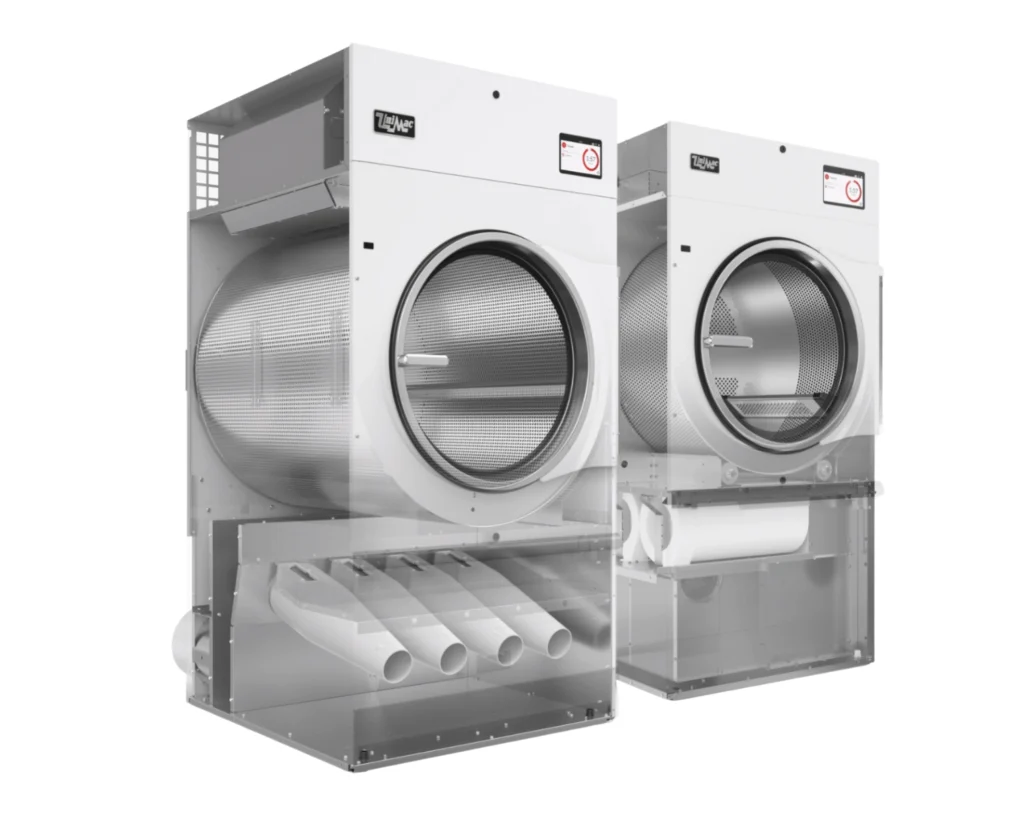
Most service programs are built around recurring preventive tasks, machine performance reviews, and timely repair support. While the exact details can vary by provider and equipment type, a strong commercial laundry maintenance plan usually includes the following core elements.
Routine inspections are the foundation of a good laundry equipment service plan. During these visits, technicians check the condition of key components, look for early signs of wear, and identify issues that may affect performance.
This may include reviewing belts, hoses, seals, drains, connections, controls, and other working parts. Just as importantly, inspections help catch minor issues before they develop into larger failures. For example, a worn belt or a loose connection may seem small today. Nevertheless, left alone, it can lead to downtime later.
Southeastern Laundry Equipment highlights scheduled maintenance agreements as part of its service offering, including a 77-point inspection of washers and dryers that provides a health report on equipment with technicians positioned across Georgia, Florida, Alabama, Tennessee, and the Carolinas to support service needs.
Cleaning is another essential part of preventive maintenance for commercial washers. Over time, detergent residue, lint, debris, moisture, and soil can collect in and around the machine. If that buildup is ignored, it can affect cleanliness, odor control, drainage, and overall performance.
A maintenance service plan often includes attention to the drum, gasket areas, dispensers, and other machine surfaces that need regular care. Additionally, these cleaning steps can help reduce conditions that lead to mildew, residue buildup, or inefficient operation. Regular lint and surface cleaning also supports safer laundry room operation, especially in dryer areas where buildup can become a fire concern.
Although cleaning sounds simple, it supports bigger goals. Clean equipment is easier to inspect, easier to maintain, and more likely to perform as expected.
Belts and hoses are easy to overlook. However, they are critical to day-to-day machine operation. In a commercial washer and dryer maintenance program, technicians commonly inspect belts for wear, cracking, and tension issues. Likewise, hoses are checked for leaks, weak points, blockages, and signs of deterioration.
This matters because belt failure can stop machine operation quickly. A damaged hose can also create water flow problems or lead to leaks that affect nearby equipment and flooring. Therefore, catching these issues early is one of the simplest ways to avoid preventable downtime.
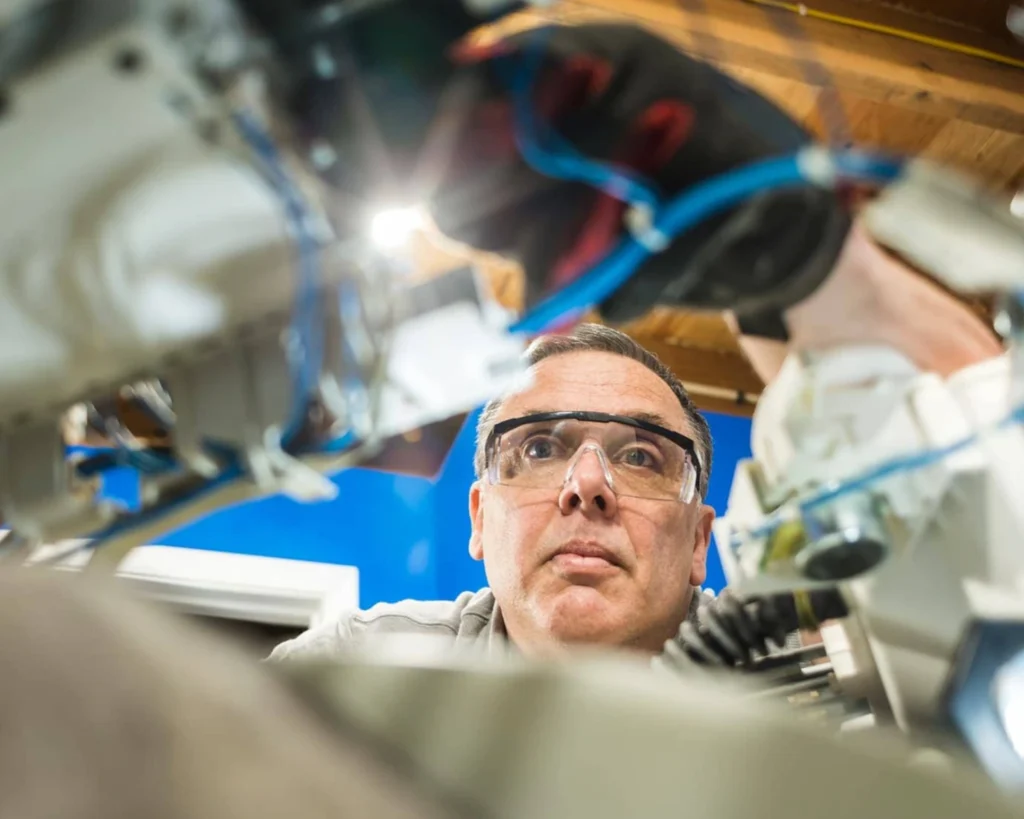
Water flow plays a direct role in wash quality and machine efficiency. As a result, inlet filters deserve regular attention in any scheduled laundry equipment service program.
When filters collect debris or become restricted, machines may not fill properly or may work harder than necessary to complete cycles. Over time, that can create performance issues and increase strain on the system. By cleaning and checking inlet filters during routine service visits, technicians help maintain proper water intake and more consistent operation.
A true service plan does more than inspect machines. It also verifies performance. After an adjustment or repair, technicians should test the equipment to confirm that the machine is running correctly.
That may include checking cycle performance, drainage, spin function, heating, control response, or payment-system operation where applicable. Testing helps ensure that the repair solved the real problem instead of only addressing the symptom.
This is one reason ongoing service is so valuable. Because the equipment is reviewed repeatedly over time, technicians can spot patterns, compare performance from one visit to the next, and make better recommendations based on actual operating history.
Calibration is often overlooked in discussions about service, yet it is a practical part of maintaining reliable laundry performance. When equipment is calibrated correctly, it is better positioned to operate with the right water levels, timing, and cycle consistency.
Consequently, calibration supports both machine performance and operational efficiency. For facilities focused on long-term utility performance, it also helps to review guidance on water efficiency in commercial laundry settings. It can also help reduce unnecessary strain on the equipment. In busy properties, that kind of fine-tuning makes a difference because even small inefficiencies can add up across repeated daily use.
The table below shows how a commercial laundry equipment maintenance service plan supports both equipment condition and day-to-day operations.
Emergency service will always have a place. Machines can fail unexpectedly, and fast response matters. Still, relying on emergency calls alone creates a cycle of disruption.
First, the issue is discovered only after operations are affected. Next, the repair has to be diagnosed under pressure. Then, staff must adjust around unavailable equipment. In some settings, that can ripple across schedules, labor, and customer experience.
By contrast, a commercial laundry repair service plan creates structure. Problems are more likely to be found during inspections. Maintenance tasks happen on a schedule. Equipment history is easier to review. As a result, service becomes more organized and less reactive.
That does not mean every repair can be avoided. Instead, it means many avoidable disruptions can be reduced through regular oversight.
Want a clearer picture of your laundry room’s service needs?
A maintenance review can help you spot recurring issues, reduce avoidable downtime, and build a more consistent service plan for your property.
Schedule a Service ConsultationFacilities that keep laundry equipment on site usually do so for control, convenience, turnaround time, and operational consistency. Therefore, maintenance has to support those same priorities.
A well-managed service plan helps on-premise laundry operations in several ways.
First, it can reduce downtime. Preventive checks often catch wear before a machine goes out of service. Second, it can improve budgeting. While emergency repairs are unpredictable, scheduled service brings more visibility to maintenance needs. Third, it can extend equipment life. Machines that receive regular care are generally in a better position to perform well over time.
In addition, service planning can support staff efficiency. When equipment is reliable, teams spend less time troubleshooting avoidable issues and more time staying on task. That is especially important in high-demand environments where laundry throughput affects other departments.
Some properties know they need a stronger laundry equipment service plan because the signs are obvious. Machines are going down too often, the same problems keep coming back, and staff are spending too much time reacting to complaints instead of staying ahead of maintenance. In other cases, the warning signs are quieter and easier to overlook.
For example, you may notice that service records are inconsistent, certain machines never seem to perform quite as well as the others, or minor issues keep getting patched without a clear long-term fix. You may also find that maintenance only happens after residents, guests, or team members start pointing out problems. None of those issues automatically mean your equipment is failing. However, they often point to a service approach that is too reactive.
That is an important distinction. Sometimes the real problem is not the machine itself. It is the lack of a consistent plan for monitoring condition, tracking recurring issues, and handling preventive service on a schedule. When that structure is missing, even good equipment can become harder to manage. A stronger maintenance plan helps bring order back to the process and gives your team a better handle on what is happening across the laundry room.
A service plan is only as useful as the team behind it. Because of that, it helps to work with a provider that understands the pace and pressure of commercial laundry environments. Experience matters, but so does consistency. You want a company that offers scheduled preventive maintenance, clear documentation, responsive support, and technicians who work with commercial laundry equipment regularly.
Coverage matters too, especially when you need timely service across a specific region. A provider with established support in your area is usually better positioned to respond when issues come up and more familiar with the day-to-day needs of the properties it serves. That kind of regional presence can make ongoing service feel more reliable and less fragmented.
Southeastern Laundry Equipment presents its service offering around scheduled maintenance agreements, repair support, and a parts-and-service operation built to support commercial laundry users across the Southeast. The company says its technicians are strategically located throughout Georgia, Florida, Alabama, Tennessee, and the Carolinas, and it emphasizes long-term support throughout the life of the equipment.
That service-first approach is part of what makes a maintenance partner valuable. The conversation stays focused on uptime, planning, and practical support, not just on what happens after a machine breaks.
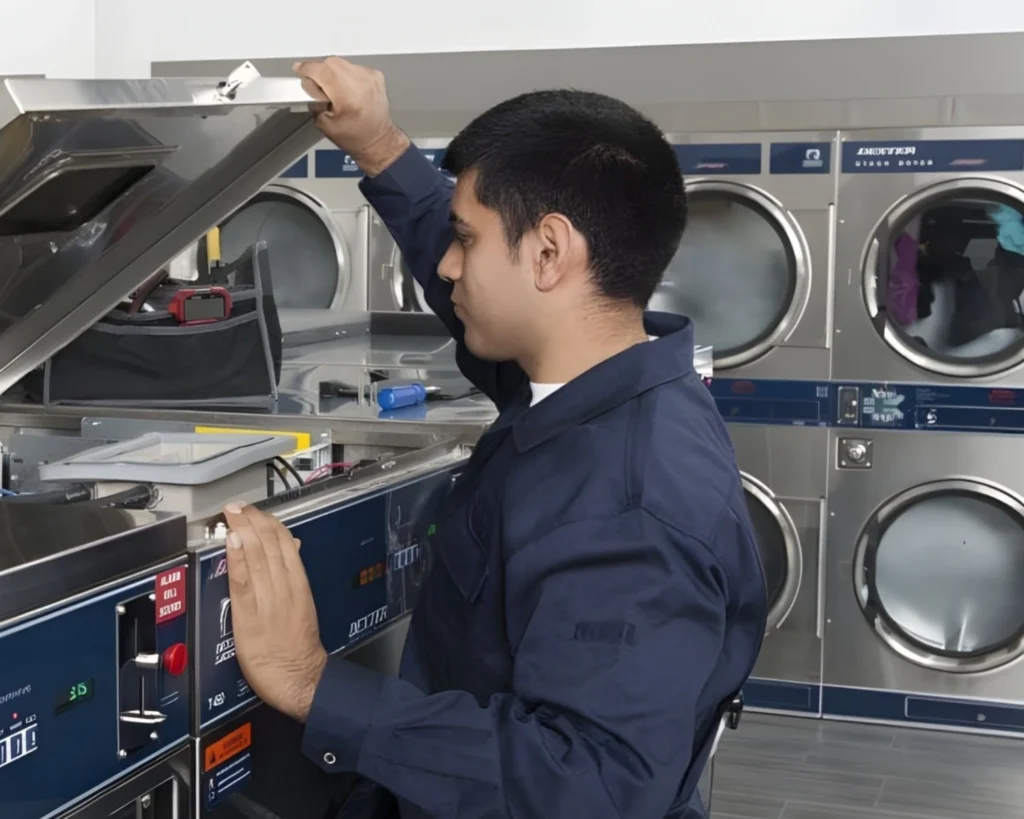
A good commercial laundry equipment maintenance service plan should become more useful over time, not less.
At the beginning, the biggest value may come from inspections and immediate corrections. After that, the benefit often shifts toward consistency. Machines are reviewed regularly. Service history becomes easier to follow. Patterns become clearer. Decisions become more informed.
Eventually, the plan can help your property move from uncertainty to predictability. That is important because stable laundry performance supports resident experience, guest turnover, sanitation routines, and internal workflow. In other words, service planning helps protect more than equipment.
When people think about maintenance, they often picture emergency repair. In reality, the better approach is usually much less dramatic. It happens through routine inspections, regular cleaning, performance checks, documentation, and small service decisions made before a larger disruption takes hold. That is the real value of a commercial laundry equipment maintenance service plan. It helps facilities move away from constant reaction and toward a more stable, manageable way of supporting on-premise laundry.
For properties that depend on washers and dryers every day, that kind of consistency matters. Reliable equipment supports resident satisfaction, smoother staff workflow, cleaner operations, and fewer unpleasant surprises. It also gives property teams more visibility into what their machines need over time, which makes service decisions easier and more strategic.
If your laundry room is being managed one repair call at a time, it may be time to take a closer look at what a structured service plan could improve. Southeastern Laundry Equipment works with properties across the Southeast to support commercial laundry equipment with scheduled maintenance, repair service, and ongoing technical support. If you want a clearer picture of what your equipment needs today and how to keep it performing over time, the next step is simple: visit the contact page or request service online to start the conversation.
Ready to build a more proactive laundry service plan?
Southeastern Laundry Equipment supports properties across the Southeast with scheduled maintenance, repair service, and long-term laundry equipment support.
Request Commercial Laundry ServiceA commercial laundry equipment maintenance service plan is an ongoing schedule of inspections, cleaning, performance checks, and service visits designed to keep commercial washers and dryers running reliably. Instead of waiting for equipment to fail, the plan focuses on catching smaller issues early so properties can reduce downtime and keep laundry operations more consistent.
A typical commercial laundry equipment maintenance service plan includes routine inspections, drum and gasket cleaning, belt and hose checks, inlet filter cleaning, repair testing, calibration, and service documentation. The exact scope can vary by property and equipment type, but the main goal is the same: keep machines operating safely and efficiently over time.
A commercial laundry equipment maintenance service plan helps properties prevent avoidable breakdowns, improve equipment reliability, and support a better experience for residents, guests, or staff. It also gives managers a more organized way to handle service instead of relying only on emergency repairs when machines go down.
Service frequency depends on machine usage, property type, and laundry volume. A busy multifamily, hospitality, or healthcare property may need more frequent service than a smaller location with lighter demand. Southeastern Laundry can help evaluate your equipment usage and recommend a maintenance schedule that makes sense for your property.
Yes. One of the main benefits of a commercial laundry equipment maintenance service plan is reducing unexpected downtime. Regular inspections and preventive care make it easier to spot worn parts, buildup, or performance issues before they lead to a machine being taken out of service.
In many cases, yes. Routine maintenance helps commercial washers and dryers stay in better operating condition over time. While no machine lasts forever, a consistent service plan can support longer equipment life by reducing unnecessary strain and addressing issues before they become more serious.
Common signs include recurring service calls, machines going down more often than expected, inconsistent cycle performance, incomplete maintenance records, and frequent complaints from users. If your team is constantly reacting to laundry issues, it may be time for a more structured approach to preventive service.
For most properties, yes. Waiting until a machine fails usually creates more disruption and makes service harder to plan around. A commercial laundry equipment maintenance service plan gives your property a more proactive strategy, which can help reduce interruptions and keep laundry operations running more smoothly.
Yes. Southeastern Laundry supports properties with scheduled maintenance, repair service, and ongoing technical support for commercial laundry equipment. If your property wants a more proactive service approach, Southeastern Laundry can help you understand what kind of maintenance plan fits your equipment and usage levels.
The easiest next step is to contact Southeastern Laundry through the website and request a service consultation. That gives your team a chance to discuss your current equipment, service concerns, and what a practical commercial laundry equipment maintenance service plan could look like for your property.