
Customer loyalty drives laundromat profits more than most owners realize. While equipment, location, and pricing matter, long-term success depends on repeat customers who return week after week.
Laundromats already enjoy one of the highest small business survival rates. Surviving is different from maximizing profit. The real difference between a store that plateaus and one that grows steadily often comes down to retention. When customers come back consistently, revenue stabilizes. When they bring friends or family, revenue expands.
In other words, loyalty is not just a feel-good concept. It is a measurable profit strategy.
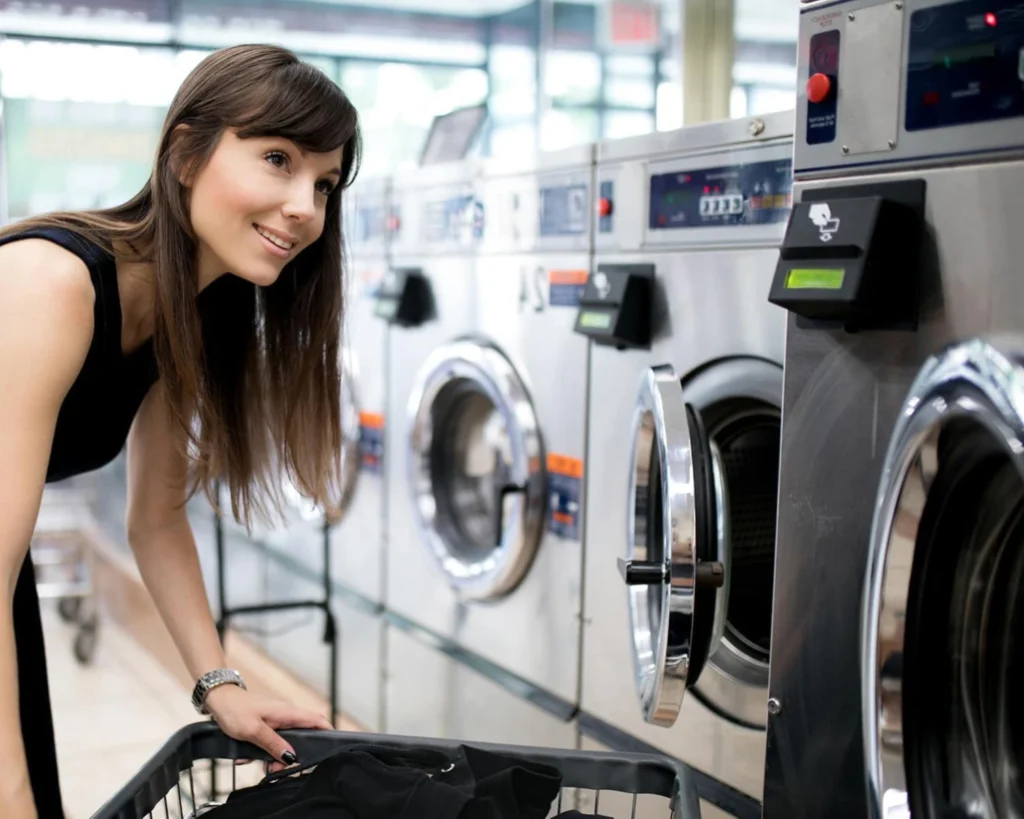
Laundromats have a strong track record. According to industry data shared by the Coin Laundry Association, the majority of laundromats remain open beyond five years. That statistic alone shows the industry’s resilience.
High survival rates sound impressive on paper. But staying open and building a healthy profit margin are two different challenges. A store might keep its doors open for years and still deal with inconsistent revenue, rising maintenance costs, or customers who leave the moment a competitor offers a small discount. That is usually where loyalty becomes the real differentiator.
When customer loyalty drives laundromat profits, three things happen: Revenue becomes more predictable, marketing costs decrease, and word-of-mouth referrals increase.
For example, consider a customer who washes once per week and spends $20 per visit. That customer generates roughly $1,040 per year. Now multiply that by 100 regular customers. Suddenly, loyalty represents six figures in stable annual income.
If you have owned a laundromat for any length of time, you have probably seen this play out in real life. There is always that one customer who comes in at the same time every week, uses the same bank of machines, and chats briefly with staff before starting their load. They are not just another transaction. They are predictable revenue. When that kind of customer disappears, you feel it almost immediately.
Losing even ten weekly customers may not feel dramatic at first, yet the long-term impact adds up quickly.
Retention is not optional. It is financial protection. Research published by Harvard Business Review confirms that even small increases in customer retention can significantly boost profitability.
Most business owners understand that attracting new customers costs more than keeping existing ones. In fact, Multiple business studies have shown that increasing customer retention rates can significantly improve profitability.
While laundromats do not always rely on heavy advertising, acquiring new customers still carries real costs. Introductory discounts eat into margins. Local advertising requires ongoing spend. Social media promotions demand time and attention. Even grand reopening events or referral incentives require planning, coordination, and budget. None of these are inherently bad investments, but they add up quickly, especially when they must be repeated to replace customers who drift away.
By contrast, retaining a customer often requires smaller, service-oriented improvements that compound over time.
Instead of relying on constant promotions, many successful operators focus on practical upgrades that quietly improve the customer experience. Clean restrooms influence how professional the store feels. Reliable WiFi gives customers something productive to do while they wait. Consistent machine uptime reduces irritation, and friendly, responsive staff can turn a small issue into a non-issue. None of these changes are flashy. Yet together, they shape how customers feel about coming back.
These upgrades are operational decisions rather than marketing expenses. However, over time, they reduce churn dramatically.
That is why customer loyalty drives laundromat profits more reliably than constant discounting.
Want to strengthen customer retention in your laundromat?
Our team can help you evaluate equipment reliability, payment systems, and service upgrades that directly impact long-term customer loyalty and recurring revenue.
Schedule a Retention Strategy ReviewCustomer lifetime value is simple math. The longer someone continues using your store, the more they spend.
Fortunately, increasing that value does not always require massive renovations. Often, practical service improvements make the biggest impact.
Customers spend up to two hours inside a laundromat. Therefore, the environment matters.
A consistently clean facility signals professionalism. It shows customers that management cares about their experience. Over time, that trust builds loyalty.
Free WiFi is no longer a luxury. It is expected. When customers can work, stream, or browse while waiting, they are less likely to try a competitor.
Comfortable seating encourages customers to stay rather than leave mid-cycle. That reduces machine misuse and improves overall store flow.
Nothing damages loyalty faster than repeated out-of-order signs.
Routine maintenance and proactive service checks prevent breakdowns. Over time, customers begin to associate your store with reliability.
At Southeastern Laundry Equipment, service support focuses on long-term performance and uptime. Because equipment reliability directly affects retention, preventative maintenance becomes part of a loyalty strategy rather than just an operational task.
A loyalty program does not have to be complicated to be effective.
For example, a free wash after ten visits can keep customers from experimenting with competitors. The reward feels achievable, and the incentive keeps customers spending consistently.
Today’s customers expect flexibility. Some prefer credit cards, others use mobile wallets, and many appreciate app-based payment systems that store balances and track history. When a laundromat accommodates these preferences, it removes friction from the experience. When it does not, the inconvenience becomes memorable, and not in a good way.
These features reduce friction. More importantly, they make customers feel connected to your business.
Therefore, customer loyalty drives laundromat profits when technology supports retention rather than complicates it.
Coin-only laundromats are becoming less common. Although coins still work, consumer behavior has shifted.
Today’s customers expect flexibility in how they pay. Some prefer credit cards, others rely on mobile wallets, and many appreciate app-based systems that store balances and track usage automatically. When a laundromat supports these options, the payment process feels effortless. When it does not, the inconvenience becomes part of the customer’s memory, and that memory often influences where they go next time.
Offering multiple payment options is not about trends. It is about removing barriers.
Imagine a new customer walks in without quarters. If your competitor accepts cards and you do not, the decision is instant. You lose that customer before the first load begins.
However, when flexible payment systems are in place, you future-proof your operation. Additionally, digital systems reduce the labor associated with coin collection and reconciliation.
From a profit perspective, convenience increases frequency. Frequency increases revenue.
That is precisely how customer loyalty drives laundromat profits over time.
Below is a simplified comparison showing the long-term financial difference between high churn and strong retention.
| Scenario | Weekly Customers | Avg Spend | Annual Revenue | 5-Year Revenue |
|---|---|---|---|---|
| Low Retention | 80 | $20 | $83,200 | $416,000 |
| High Retention | 110 | $20 | $114,400 | $572,000 |
The difference over five years exceeds $150,000.
Importantly, that growth does not require raising prices. Instead, it depends on keeping customers engaged and satisfied.
Curious how retention impacts your numbers?
We can walk through your store’s layout, equipment mix, and payment setup to identify practical ways to increase customer lifetime value and stabilize revenue.
Talk With a Laundry SpecialistPredictable cash flow is one of the most overlooked benefits of retention. However, it is also one of the most powerful. And if you have ever tried to forecast revenue without a reliable base of repeat customers, you already know how stressful that can be.
When customer loyalty drives laundromat profits, income stops feeling random. Instead, it becomes steady and forecastable. Weekly regulars create a revenue floor. That floor allows owners to plan maintenance, staffing, upgrades, and marketing with confidence.
For example, if you know that 120 households consistently wash every week, you can project baseline monthly revenue with surprising accuracy. That level of predictability makes expansion decisions far less risky.
By contrast, high turnover forces constant marketing and promotional spending. Revenue spikes and dips unpredictably. Over time, that instability creates stress and reactive decision-making.
Loyalty is not just about repeat visits. It is about operational clarity.
In urban markets especially, laundromats often compete within a tight radius. Customers can easily walk or drive to another location. Because of that proximity, switching costs are low.
Nevertheless, loyalty increases switching resistance.
When a customer feels comfortable, trusts your equipment, and appreciates your service, they are less likely to experiment. Even if a competitor offers a short-term discount, the perceived risk of a poor experience outweighs the savings.
Additionally, familiar environments create emotional comfort. Customers know which machines they prefer. They know where to sit. They understand how payment works. That familiarity builds routine.
Routine builds retention because familiarity reduces mental effort. When customers know where to park, which machines they prefer, and how payment works, they stop evaluating alternatives. The experience becomes automatic, and that automatic behavior is powerful in a local service business.
That is why customer loyalty drives laundromat profits by protecting your revenue from nearby competition.
Maintenance is rarely marketed as a loyalty tool. However, it absolutely is one.
Consider two scenarios:
Which store earns repeat visits?
Operational reliability communicates professionalism. Furthermore, it prevents frustration. A single bad experience may not cost you a customer. However, repeated inconvenience often will.
Preventative maintenance, therefore, directly supports a long-term retention strategy. Scheduled inspections, timely part replacements, and responsive service calls keep operations smooth.
Southeastern Laundry Equipment emphasizes ongoing service support because uptime protects revenue. When machines remain dependable, customers feel confident returning week after week.
In that way, service infrastructure quietly supports the core principle that customer loyalty drives laundromat profits.
Convenience is not just practical; it shapes how customers feel about your business. When transactions are smooth and systems work without friction, people relax. They do not think about the mechanics of doing laundry. They simply move through the process. That emotional ease becomes associated with your location, which makes returning the natural choice.
When customers use digital payments or mobile apps, they experience reduced friction. There are no coins to count. There is no rush to find change. Instead, transactions feel seamless.
Over time, that ease becomes habit-forming.
Digital systems also create subtle psychological investment. When a customer has stored payment information, accumulated loyalty points, or tracked transaction history, leaving your laundromat no longer feels neutral. It feels like giving something up. That sense of stored value and familiarity quietly increases stickiness and makes returning the easier choice.
In addition, modern payment integration provides operational insights. Owners can analyze peak times, average transaction values, and repeat visit patterns. With that information, service adjustments become data-driven rather than guesswork.
Modern systems are not just upgrades. They are strategic tools that reinforce how customer loyalty drives laundromat profits.
Many laundromat owners focus on daily or weekly totals. While those numbers matter, long-term thinking changes strategy.
If a single household generates $1,000 per year and remains loyal for seven years, that represents $7,000 in revenue. Multiply that across dozens or hundreds of customers, and the financial picture becomes clear.
Now consider this:
If improved service and convenience extend the average customer relationship by just one additional year, the revenue increase is substantial.
Small improvements compound over time in ways that are easy to underestimate. A cleaner restroom can make the entire store feel more cared for. Better lighting subtly increases perceived safety. A faster service response builds trust even when something goes wrong. On their own, these changes seem minor. In combination, they protect thousands of dollars in lifetime value.
That is why loyalty strategy should be proactive rather than reactive.
Every laundromat gains new visitors periodically. The key question is whether those visitors return.
First impressions matter more than most owners realize. Clear signage and transparent pricing prevent confusion the moment someone walks in. Payment systems should feel intuitive rather than complicated. A visible staff presence reassures customers that help is available if needed. Above all, visible cleanliness sets the tone. When those elements align, first-time visitors feel comfortable enough to return.
When first impressions feel organized and professional, trust forms quickly. Additionally, visible operational efficiency signals competence.
Because of that, service-focused planning from day one influences long-term outcomes.
If store layout, equipment configuration, or payment systems feel confusing, customers may not return. However, when systems feel intuitive, repeat visits increase naturally.
Customer loyalty drives laundromat profits most effectively when the first visit feels effortless.
Promotions can create short bursts of traffic. However, consistency builds long-term success.
A steady cleaning schedule, routine equipment inspections, and reliable customer communication all contribute to long-term consistency.
These operational habits may seem basic. Yet they create predictability for customers. Predictability builds trust. Trust builds loyalty.
Over time, loyal customers become advocates. They recommend your store to neighbors. They bring family members. They defend your business against minor complaints.
That organic promotion reduces advertising needs. Consequently, profit margins improve.
When owners adopt a service-first mindset, they shift from chasing new customers to nurturing existing ones. That shift often produces stronger financial performance.
Loyalty does not happen by accident. It develops gradually through consistent service, reliable operations, and small daily decisions that signal professionalism. Customers rarely announce when they have decided to stay loyal. Instead, they return quietly, week after week, because nothing about the experience gives them a reason to leave.
While equipment matters, the support behind that equipment matters even more. Fast response times, technical guidance, and preventative maintenance planning help store owners maintain smooth operations.
Southeastern Laundry Equipment focuses on service relationships rather than one-time transactions. From planning to installation and ongoing support, the goal is to help laundromat owners create dependable, customer-friendly environments.
Because when machines stay operational and payment systems run smoothly, customers return.
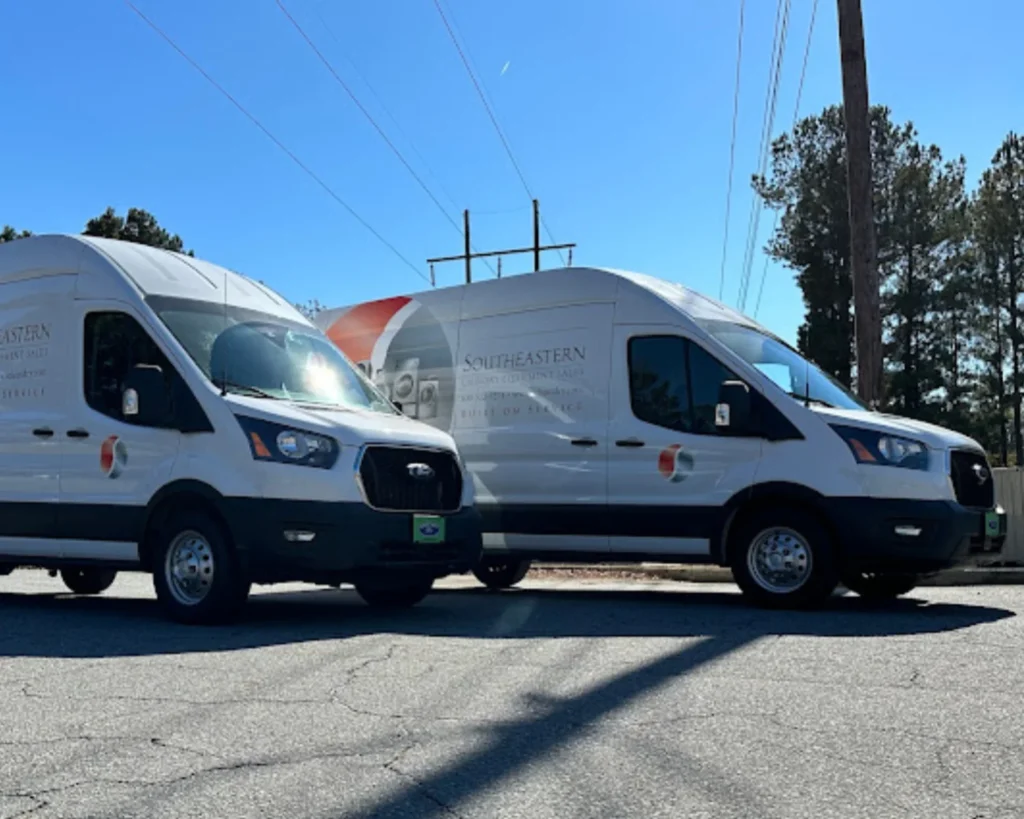
In many urban areas, laundromats exist within blocks of each other. Pricing often remains similar. Square footage can be comparable.
Therefore, experience becomes the deciding factor.
A store that feels safe, clean, modern, and convenient will naturally outperform one that feels outdated or neglected.
Loyal customers defend their chosen laundromat. They recommend it. They overlook small price differences. They return during busy seasons.
That emotional connection translates directly into revenue stability.
That is why customer loyalty drives laundromat profits more reliably than short-term promotions or aggressive discounting.
To build sustainable growth, focus on three pillars:
Each pillar reinforces the others.
For example, when modern payment systems work seamlessly, customers complete transactions easily. When machines operate efficiently, wait times decrease. When the facility remains clean, customers feel comfortable staying longer.
Together, these factors create a predictable customer base.
Over time, that predictability becomes your strongest financial asset.
Customer loyalty drives laundromat profits because it turns weekly transactions into long-term revenue streams.
While new customers will always matter, consistent retention builds stability. Additionally, small service improvements often deliver greater returns than large marketing campaigns.
By focusing on customer experience, modern convenience, and dependable operations, laundromat owners position themselves for steady growth beyond the five-year milestone.
If you are ready to strengthen your laundromat’s retention strategy with service-driven support and reliable solutions, visit:
Ready to build long-term customer loyalty?
Southeastern Laundry Equipment works with laundromat owners to improve reliability, modernize payment systems, and create customer experiences that drive repeat business. Let’s talk about your goals.
Start the ConversationBecause in the end, profitable laundromats are not built on transactions alone. They are built on trust, consistency, and loyalty.
Customer loyalty drives laundromat profits by increasing customer lifetime value and reducing churn. When customers return weekly, revenue becomes predictable and marketing costs decrease. Instead of constantly replacing lost customers, owners build stable, recurring income. Over time, even small improvements in retention can add tens of thousands of dollars to long-term revenue.
Attracting new customers often requires advertising, promotions, and discounts, which reduce margins. Retaining existing customers typically costs less and produces higher long-term returns. Research from business publications like Harvard Business Review consistently shows that improving retention rates increases overall profitability. In a laundromat setting, keeping regular weekly customers is far more valuable than relying on occasional new visitors.
Customers respond to consistency and convenience. Clean facilities, reliable machines, modern payment systems, and responsive service all contribute to repeat visits. Small details such as well-lit interiors, comfortable seating, and easy-to-use payment technology can significantly improve retention. Southeastern Laundry Equipment works with owners to evaluate service reliability and payment integration because those operational factors directly influence customer loyalty and long-term profit stability.
Yes. Flexible payment options such as credit cards and app-based systems reduce friction and make the experience easier for customers. When transactions feel seamless, customers are more likely to return. Digital systems can also support loyalty tracking and provide operational insights. Because customer loyalty drives laundromat profits, removing payment barriers becomes a strategic decision rather than just a convenience upgrade.
A single customer who spends $20 per week can generate over $1,000 per year. If that customer remains loyal for several years, their lifetime value increases significantly. Multiply that across dozens or hundreds of customers, and the impact becomes substantial. This is why many operators focus on retention strategy instead of constant discounting.
Southeastern Laundry Equipment supports laundromat owners with service-focused solutions designed to improve reliability and customer experience. From preventative maintenance planning to modern payment integration, the goal is to create dependable operations that encourage repeat business. Because customer loyalty drives laundromat profits, strengthening service infrastructure often becomes the most practical path to long-term growth.