
Firefighters rely on their turnout gear to perform in extreme conditions. However, what often gets overlooked is how much the fire station laundry design impacts the safety, lifespan, and performance of that gear. A well-planned, on-premise laundry room does more than clean. It reduces contamination risk, supports faster turnaround, and helps departments stay compliant with industry standards.
Rather than focusing only on individual machines, this guide looks at the full laundry setup. From washer specs to room layout, the goal is simple: protect firefighters by protecting their gear.
Designing a laundry room for a fire station is not the same as designing one for a commercial laundromat or apartment building. Firefighter PPE is exposed to carcinogens, biohazards, and hydrocarbons that can linger long after a call.
Because of this, the laundry room becomes part of the department’s health and safety strategy. When designed correctly, it helps prevent cross-contamination, shortens downtime between calls, and extends the life of expensive turnout gear. When designed poorly, it can quietly undermine all three.
Choosing the Right Capacity and Drum Design
Turnout gear is bulky and heavy, especially when wet. Washers and extractors must be sized to handle full loads without overloading. Undersized machines increase mechanical stress and reduce cleaning effectiveness.
Key considerations include:
Because fire gear has specific wash requirements, the machine must adapt to the gear, not the other way around.
G-Force and Temperature Control
One of the most important aspects of fire station laundry design is controlling G-forces during extraction. Excessive force can damage moisture barriers and thermal liners. Likewise, water temperature must stay within manufacturer and NFPA guidelines.
Washers designed for on-premise laundry in fire stations typically allow:
This level of control protects the integrity of the gear while still delivering a thorough clean.
Drying Is Not an Afterthought
As a result, drying turnout gear improperly can be just as damaging as washing it incorrectly. In fact, standard dryers often run too hot and too fast, which can shrink, delaminate, or weaken protective materials.
Dedicated gear dryers are designed to:
As a result, gear is ready faster and lasts longer.
How Many Gear Dryers Does a Fire Station Need?
The number of dryers depends on call volume, staffing levels, and how many sets of gear are cleaned after each incident. However, a common planning guideline is one dryer for every washer, plus additional capacity if the station runs multiple shifts.
Here is a simple planning example:
| Station Size | Washers | Gear Dryers | Notes |
|---|---|---|---|
| Small (10–15 firefighters) | 1–2 | 2 | Allows overlap between shifts |
| Medium (15–30 firefighters) | 2–3 | 3–4 | Supports higher call volume |
| Large (30+ firefighters) | 3–5 | 5+ | Minimizes downtime after major incidents |
Planning dryer capacity upfront prevents bottlenecks later.
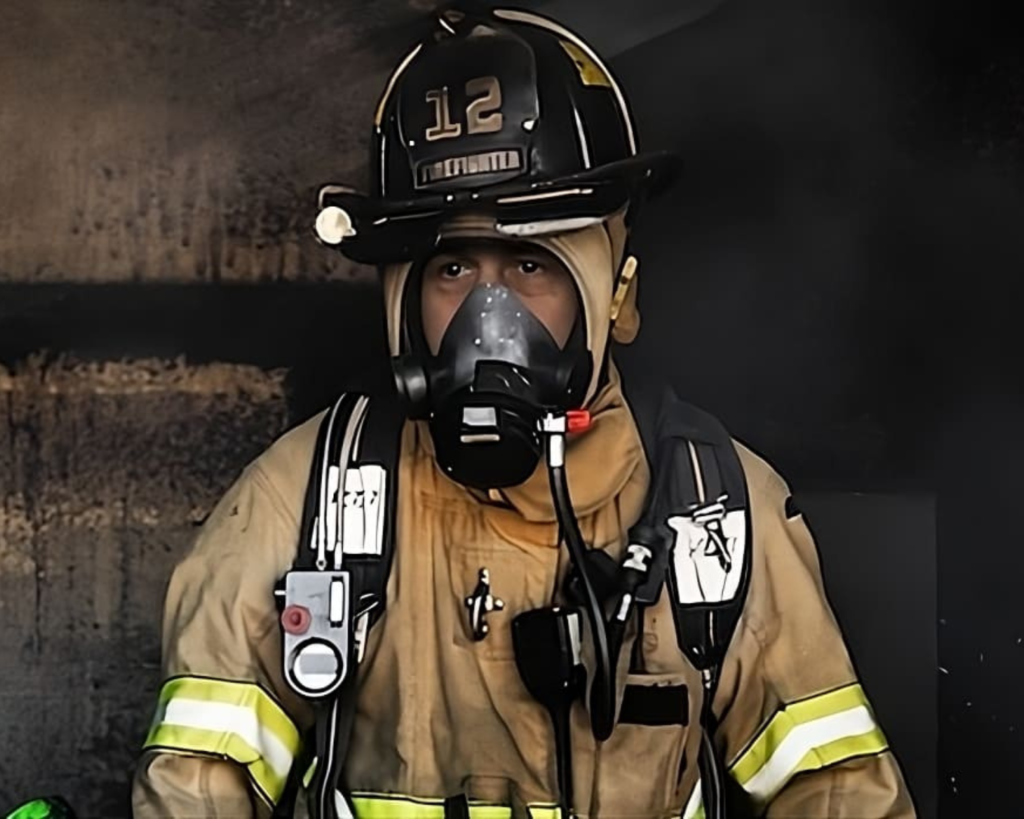
As a result, a thoughtful fire station laundry design separates contaminated gear from clean gear at every stage. In doing so, it reduces the chance that carcinogens are reintroduced after washing.
Best practice layouts include:
Whenever possible, gear should move in one direction only, from dirty to clean.
Laundry rooms dealing with fire gear require more than standard ventilation. Proper airflow helps manage moisture and reduces airborne contaminants. Floor drains, sealed surfaces, and washable walls also make routine cleaning easier.
Small design choices here can make a big difference over time.
Using the Right Chemistry
For this reason, firefighter turnout gear requires specialized detergents designed to remove hydrocarbons and biohazards without damaging protective layers. By comparison, household or generic commercial detergents are not appropriate.
A proper setup includes:
The goal is effective decontamination without compromising performance.
Programming Consistent Wash Cycles
Consistency matters. When machines are programmed with approved cycles, every load is washed the same way, regardless of who is on shift. This reduces errors and improves accountability.
Standard cycles typically control:
Over time, this consistency supports both safety and compliance.
Treating the Laundry Room as an Afterthought
In many cases, one of the most common mistakes is squeezing laundry into leftover space. As a result, poor layout leads to workflow issues, safety concerns, and future renovation costs.
Instead, laundry should be considered early in station design or renovation planning.
Using Multi-Purpose Machines
Another frequent error is sharing machines between turnout gear and other station laundry. This increases cross-contamination risk and undermines the entire cleaning process.
Dedicated equipment for PPE is a safer, more professional approach.
Underestimating Growth and Call Volume
Over time, stations evolve. As staffing increases, call volumes rise, and gear technology changes. Because of this, designing with no room for expansion often leads to premature upgrades.
By contrast, planning for future needs helps protect the initial investment.
Ultimately, an on-premise laundry room is not just an operational convenience. Instead, it is an investment in firefighter health, readiness, and morale. As a result, departments that take a holistic approach often see fewer gear issues, faster turnaround times, and greater overall confidence in their decontamination process.
Companies like Southeastern Laundry Equipment focus on helping fire departments think through these details, from layout planning to equipment configuration, without pushing one-size-fits-all solutions. As a result, that kind of guidance can make the difference between a laundry room that simply functions and one that truly supports the mission.
Building an effective fire station laundry room requires more than choosing a washer and dryer. It requires thoughtful fire station laundry design that considers workflow, safety, contamination control, and long-term use.
By focusing on proper washer specs, dedicated gear dryers, smart layouts, and consistent cleaning processes, fire departments can create on-premise laundry spaces that protect both gear and firefighters. For chiefs, facility managers, and municipalities, that makes the laundry room a strategic asset rather than a maintenance concern.
When done right, the result is simple: cleaner gear, healthier firefighters, and a station that is better prepared for every call.
Fire station laundry design describes how teams plan, equip, and lay out on-premise laundry rooms to safely clean firefighter turnout gear. It matters because proper design helps reduce cross-contamination, protects the integrity of PPE, and supports firefighter health by limiting exposure to carcinogens.
Design the fire station laundry room with a clear separation between dirty and clean zones. Contaminated gear should move in one direction only, from intake to washing to drying and storage. Proper ventilation, washable surfaces, and floor drainage are also important parts of effective fire station laundry design.
In practice, washers used in fire station laundry design handle bulky turnout gear and give operators precise control over water temperature, mechanical action, and extraction force. At the same time, machines must support specialized wash cycles to clean gear thoroughly without damaging moisture barriers or thermal liners.
Dedicated gear dryers use controlled heat and airflow that protect turnout gear from excessive temperatures. Unlike standard dryers, these dryers dry gear efficiently without shrinking, delaminating, or weakening protective materials, helping extend gear life and improve readiness.
In practice, Southeastern Laundry works with fire departments to evaluate space, workflow, and equipment needs for on-premise laundry rooms. As a result, their experience helps departments design laundry areas that support gear protection, operational efficiency, and long-term use without relying on one-size-fits-all solutions.