
A well-designed guest laundry room can be a quiet asset for any hotel, and hotel guest laundry design plays a bigger role in that success than many operators realize. When it works, guests appreciate the convenience, staff deal with fewer complaints, and operations run smoothly in the background. When it doesn’t, the same space can quickly become a source of frustration, negative reviews, and unexpected maintenance costs.
That’s why this area of hotel operations deserves more attention than it often gets. It’s not just about placing a few machines in an empty room. It’s about planning for usability, durability, accessibility, and long-term upkeep, all while keeping the guest experience front and center.
As a result, this guide walks through the practical considerations that matter most, helping hotels avoid common mistakes and design an on-premise guest laundry that’s easy to use and easy to maintain.
Guest expectations have changed. Longer stays, extended business travel, family vacations, and budget-conscious travelers have made on-site laundry a valuable amenity rather than an afterthought.
A poorly designed laundry room can lead to:
Thoughtful planning solves these problems before they start, reducing operational headaches while improving the overall guest experience.
Before selecting equipment or payment systems, the physical space itself needs careful planning.
Guest laundry rooms should be:
As a result, a laundry room hidden in a service corridor or basement is far more likely to generate questions at the front desk.
Avoid cramming machines into the smallest possible footprint. A functional layout should allow:
When guests feel rushed or cramped, even high-quality machines can feel frustrating to use.
In practice, one of the most common mistakes in hotel guest laundry design is underestimating usage. As a result, guest machines often run for extended hours and are used by people unfamiliar with proper loading or detergent amounts.
Commercial-grade equipment is built for:
As a result, durability directly affects guest satisfaction. When machines are frequently out of service, a convenience can quickly turn into a complaint.
It’s not enough to count rooms and divide by a fixed number. Usage patterns vary depending on:
Planning for peak demand helps ensure capacity matches real-world use. Otherwise, too few machines lead to wait times and frustration. At the same time, too many machines waste space and resources.
In many cases, the most effective setup combines:
Payment confusion is one of the fastest ways to generate guest complaints.
Guests increasingly expect:
Older systems that rely solely on coins can create unnecessary frustration, especially for international travelers or guests without cash.
Avoid complicated pricing structures. Guests should be able to tell at a glance:
Simple, transparent pricing supports a smoother guest experience and reduces questions at the front desk.
Even the best-designed laundry room can fail if guests don’t know how to use it.
Effective signage should clearly explain:
Use simple language and clear visuals. Remember that many guests may not speak English as their first language.
Avoid putting all instructions on one wall. Instead:
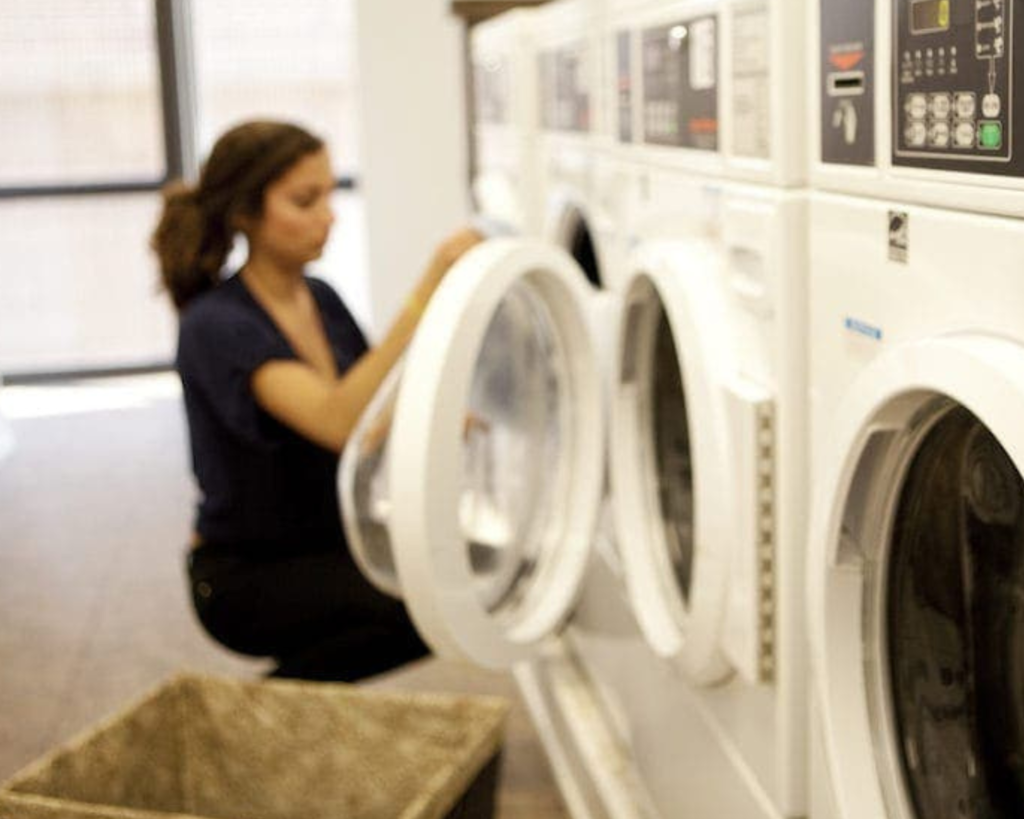
Accessibility is not optional. A well-planned hotel guest laundry should be usable by as many guests as possible.
Key considerations include:
Accessible design improves usability for everyone, not just guests with mobility challenges.
In practice, machine downtime is one of the most common pain points in guest laundry rooms.
Maintenance-friendly machines typically feature:
In turn, these features help reduce time out of service and simplify upkeep for maintenance teams.
Good laundry room planning includes:
Over time, preventive design choices can save significant time and cost over the life of the laundry room.
In practice, maintenance isn’t just about fixing problems. Instead, it’s about making routine care simple and predictable.
As a result, design considerations that support maintenance include:
As a result, hotels that plan for maintenance upfront typically experience fewer service interruptions and lower long-term costs.
Even experienced operators can fall into these traps:
Avoiding these mistakes can dramatically improve both guest satisfaction and operational efficiency.
The table below outlines key design elements and their impact on both guests and operations.
| Design Element | Guest Impact | Operational Impact |
|---|---|---|
| Commercial-grade machines | Faster cycles, fewer breakdowns | Reduced maintenance calls |
| Contactless payment | Convenience, ease of use | Less staff involvement |
| Clear signage | Fewer errors, less confusion | Fewer front desk questions |
| Proper ventilation | Comfortable environment | Longer equipment lifespan |
| Accessible layout | Inclusive guest experience | Compliance and usability |
When designed thoughtfully, a guest laundry room becomes part of the overall hospitality experience rather than a forgotten utility space.
Hotels that invest time in hotel guest laundry design often see:
Ultimately, the key is taking a holistic view, where equipment, layout, usability, and maintenance all work together.
Designing an effective guest laundry room requires more than picking machines. It requires understanding real-world hotel usage, space constraints, and long-term operational needs.
As a result, companies that specialize in on-premise laundry solutions bring valuable insight into:
Southeaster Laundry works closely with hospitality operators to help them design guest laundry rooms that function smoothly day after day, supporting both guests and staff without unnecessary complexity.
A hotel guest laundry should never feel like an afterthought. When planned carefully, it becomes a reliable amenity that quietly adds value to the guest experience while remaining easy to manage behind the scenes.
By focusing on smart hotel guest laundry design, hotels can avoid common pitfalls, reduce downtime, and create a space guests actually appreciate using.
If you’re planning a new guest laundry room or looking to improve an existing one, then taking the time to explore proven on-premise laundry solutions can be a valuable first step toward a smoother, more guest-friendly operation.
Hotel guest laundry design refers to how an on-site guest laundry room is planned, laid out, and equipped for ease of use, durability, accessibility, and long-term maintenance. It includes decisions around machine placement, capacity, payment systems, signage, ventilation, and maintenance access to support both guests and hotel operations.
The right number of machines depends on factors such as length of stay, guest demographics, and peak usage periods. Hotel guest laundry design should account for real-world demand rather than relying on a simple room count formula, balancing capacity to avoid both wait times and wasted space.
An easy-to-use guest laundry room typically includes clear signage, simple payment options, intuitive machine controls, proper lighting, and enough space to move comfortably. These features are all key considerations in effective hotel guest laundry design.
For many hotels, on-premise guest laundry rooms offer greater control, convenience, and faster turnaround for guests. With proper hotel guest laundry design, an on-site laundry can operate efficiently without adding unnecessary workload for staff.
Southeastern Laundry works with hospitality operators to support hotel guest laundry design through equipment selection, space planning, and long-term operational considerations. Their experience with on-premise laundry solutions helps hotels create guest laundry rooms that are reliable, practical, and easy to manage.