
At first glance, skipping routine service on commercial laundry equipment can feel like an easy way to save money. Yet when operators overlook commercial laundry maintenance costs, the impact often goes unnoticed at first. Machines may still run and loads may still get done, but deferred service quietly builds expenses over time in places many facilities do not expect.
Commercial laundry maintenance costs are not limited to service invoices. They show up in higher utility bills, unexpected downtime, rushed repairs, shortened equipment lifespan, and frustrated customers or residents. When these hidden costs add up, the savings from skipping maintenance disappear quickly.
For facilities that rely on on-premise laundry, service consistency is not optional. It is directly tied to operational efficiency, predictable budgeting, and the experience of the people who depend on the machines every day. Understanding where these costs come from is the first step toward controlling them.
One of the earliest signs of deferred maintenance appears on utility statements. Machines that are not serviced regularly tend to operate less efficiently. Lint buildup, worn components, improper water levels, and uncalibrated controls all force equipment to work harder than necessary.
Washers may use more water to compensate for reduced performance. Dryers may take longer to complete cycles due to restricted airflow or failing sensors. Over time, these inefficiencies quietly inflate operating costs month after month.
Because utility increases often happen gradually, they are easy to overlook. Many operators assume higher bills are caused by rate changes or seasonal usage, when in reality poor machine condition plays a significant role. Routine service helps keep machines operating within designed efficiency ranges, reducing unnecessary consumption.
When evaluating commercial laundry maintenance costs, utilities should always be part of the conversation.
Unexpected downtime is one of the most disruptive consequences of skipped maintenance. A single machine going down can create bottlenecks, delays, and schedule disruptions across an entire operation. In high-use environments, downtime often spreads frustration quickly.
For staff, it means workarounds, overtime, and shifting loads between machines. For customers or residents, it means longer waits, unfinished loads, and lost trust. These disruptions carry a real cost, even if they are not always reflected on a balance sheet.
Emergency repairs also tend to cost more than planned service. Rush service, expedited parts, and extended labor time all drive up expenses. What could have been addressed during a routine inspection often becomes a larger, more expensive issue once a failure occurs.
Consistent service reduces surprise breakdowns and keeps operations moving without interruption.
Manufacturers build commercial laundry equipment for durability, but operators must provide regular care to achieve its full lifespan. When operators ignore small issues, components such as bearings, belts, seals, valves, and motors wear down faster.
For example, an unbalanced washer can place extra strain on suspension components. A clogged vent can overheat a dryer and damage internal parts. These issues may not stop a machine immediately, but they accelerate wear in ways that shorten usable life.
When equipment fails earlier than expected, replacement or major rebuilds become necessary sooner. That expense often dwarfs the cost of routine service that could have prevented it.
Over time, skipping maintenance shifts spending from manageable, planned costs to large, disruptive capital expenses. This is one of the most overlooked aspects of commercial laundry maintenance costs.
Laundry operations directly support daily routines. Whether the environment is hospitality, healthcare, housing, or commercial services, people expect laundry to work when they need it.
When machines are frequently out of service or cycles run inconsistently, confidence drops. Complaints increase. Staff spend more time responding to issues instead of focusing on higher-value tasks.
In customer-facing environments, poor laundry reliability can damage reputation. In residential or workplace settings, it affects satisfaction and retention. Even when the core service is strong, unreliable laundry creates friction that reflects back on the operation as a whole.
Well-maintained equipment supports consistency, which directly supports positive experiences.
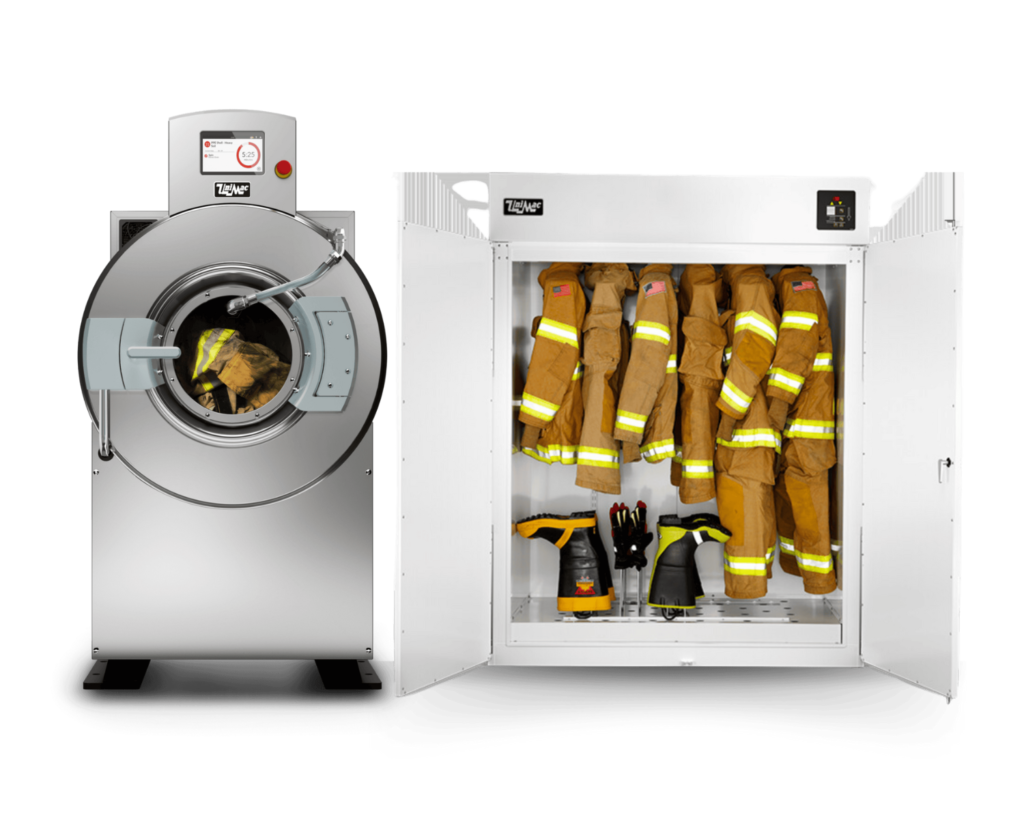
Predictable budgeting depends on predictable operations. When maintenance is reactive instead of planned, costs become harder to forecast. Emergency repairs arrive without warning. Downtime creates secondary expenses. Utility overuse adds variable monthly costs.
Routine service helps smooth these fluctuations. Scheduled inspections, adjustments, and part replacements turn unexpected spikes into manageable line items. This predictability allows operators to plan more effectively and avoid financial surprises.
Understanding commercial laundry maintenance costs as part of a long-term strategy, rather than a short-term expense, is key to maintaining control over operating budgets.
Preventive maintenance is not just about avoiding breakdowns. It supports efficiency at every level of operation.
Properly serviced machines:
When machines operate as intended, the entire laundry process becomes more predictable. Loads move through on schedule. Bottlenecks are reduced. Staff spend less time troubleshooting and more time completing tasks efficiently.
These improvements compound over time, creating measurable operational gains.
Comparing the costs side by side clearly shows the difference between skipping service and maintaining a routine plan.
| Cost Area | Deferred Maintenance | Planned Maintenance |
|---|---|---|
| Utility usage | Gradually increases | Kept within normal ranges |
| Downtime | Frequent and unpredictable | Reduced and manageable |
| Repair costs | Higher emergency expenses | Lower, scheduled service |
| Equipment lifespan | Shortened | Extended |
| Budgeting | Reactive and inconsistent | Predictable and stable |
| Customer satisfaction | Declines over time | Remains consistent |
This comparison highlights how maintenance decisions affect far more than the machines themselves.
Effective maintenance requires more than good intentions. It depends on knowledgeable technicians, timely service, and an understanding of how equipment operates in real-world conditions.
A reliable service partner helps identify early warning signs, perform necessary adjustments, and keep machines running efficiently. This support allows operators to stay ahead of issues instead of reacting to them.
Southeastern Laundry supports on-premise laundry operations with service programs designed to reduce downtime, control operating costs, and extend equipment life. Their focus on preventive care helps operators manage commercial laundry maintenance costs more effectively while keeping daily operations steady.
The goal is not to complicate maintenance. The goal is to keep maintenance consistent, reliable, and aligned with how operators actually use the laundry.
It is easy to view maintenance as an expense. In reality, it is a cost-control tool. Every inspection, adjustment, and routine service visit helps prevent larger, more expensive problems later.
Over time, the savings appear in multiple areas:
When operators consider these factors together, maintenance clearly demonstrates its value.
The true cost of skipping service is not found in a single repair bill. It shows up gradually, across utilities, operations, budgets, and customer experience. Operators often underestimate these costs because indirect expenses spread them across multiple areas over time.
By the time problems become obvious, the financial impact is already significant.
Taking a proactive approach to service helps protect equipment, control expenses, and maintain consistent performance. For operations that depend on reliable laundry, it is one of the most effective ways to safeguard long-term success.
When operators manage commercial laundry maintenance costs with intention and consistency, they keep operations running smoothly, maintain predictable budgets, and deliver a noticeably better laundry experience.
Commercial laundry maintenance costs include routine inspections, preventive service, minor adjustments, and repairs needed to keep equipment operating efficiently. These costs also reflect the impact of maintenance on utilities, uptime, and overall performance.
When operators plan for maintenance consistently, they avoid sudden repair expenses and unexpected downtime. This approach makes commercial laundry maintenance costs more predictable and easier to manage over time.
Skipping routine service allows small issues to grow into larger mechanical problems. These issues often lead to higher utility usage, emergency repairs, and shortened equipment lifespan, all of which drive costs higher.
Service frequency depends on usage volume, equipment type, and operating environment. High-use operations typically benefit from regular inspections and scheduled maintenance to keep performance consistent and costs under control.
Southeastern Laundry provides preventive maintenance programs, responsive service, and technical expertise that help operators reduce downtime, extend equipment life, and manage commercial laundry maintenance costs more effectively.