
A laundromat can appear profitable at first glance, but a deeper look at the numbers tells a more complete story. Before moving forward with an investment, it’s essential to evaluate laundromat financial performance and understand the factors that influence long-term viability. A careful review of financial history, operating costs, revenue systems, and future forecasting gives buyers a clearer picture of whether a laundromat is positioned for sustained success.
A clear evaluation begins with two to three years of financial statements. Consistent revenue, steady margins, and well-maintained records help reveal how the business truly operates. Look for predictable month-to-month activity, seasonal patterns that reflect typical local demand, and clear documentation of expenses. These details show whether demand is stable and the laundromat has been managed with sound financial practices.
Operating expenses can significantly influence profitability, and they extend well beyond rent and utilities. Utility expenses—such as water, electricity, and gas—can make up a significant portion of operating costs, depending on the equipment mix and customer volume. Add in routine maintenance, repair needs, supplies, and any labor costs, and it becomes easier to see how operating budgets can fluctuate. To evaluate laundromat financial performance accurately, each ongoing cost should be examined to understand its impact on margins. Many operators rely on Southeastern Laundry for preventative maintenance and service support that helps keep equipment running reliably.
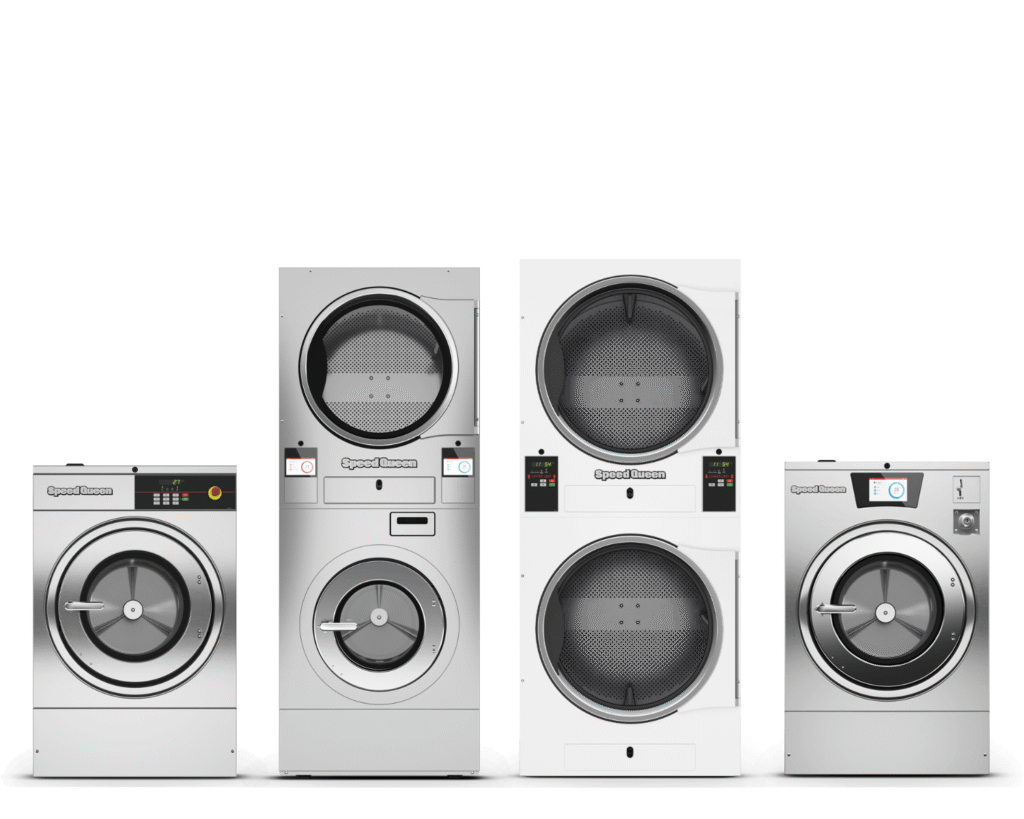
The payment system affects financial accuracy and customer experience. Coin-only setups may work well for some stores but require manual handling and offer limited reporting. Card and mobile payment systems often offer more detailed reporting capabilities, depending on the platform used, and they support more accurate revenue tracking. Hybrid systems give customers flexibility and and commonly offer owners a better insight into revenue patterns. Because revenue accuracy is central to evaluating any laundromat, buyers must include the payment method in the review process.
Historical financials provide valuable insight, but forward-looking planning is equally important. Buyers should consider how rising utility costs, maintenance cycles, equipment age, and changing customer patterns may affect future performance. A cash-flow forecast evaluates financial performance beyond current results and estimates how the business may respond to change. This type of projection supports stronger decisions during the purchase process.
Some indicators suggest a laundromat may require deeper review before purchase. Irregular revenue trends, unexpected increases in utility expenses, frequent machine repairs, disorganized financial documentation, or a noticeable change in customer activity—outside of normal seasonal patterns—may signal areas that need closer review. Identifying these issues early helps buyers identify areas that may need attention before moving forward.
A laundromat purchase can be a viable option when supported by solid financial review and a clear understanding of operational needs. Evaluating financial history, costs, payments, forecasts, and red flags helps buyers move forward with clearer understanding. For ongoing equipment support and dependable on-premise laundry performance, Southeastern Laundry provides the service expertise and maintenance solutions operators rely on. Contact our team for assistance with equipment care, service planning, or maintenance options tailored to your operation.
Evaluating financial performance helps buyers understand true profitability, spot inconsistencies, and identify whether revenue, expenses, and customer demand are stable enough to support long-term success.
Buyers should review two to three years of financial statements, utility bills, maintenance records, payment system reports, and any available service logs. These details reveal trends that help validate the business’s health.
Utility expenses, maintenance needs, supplies, and labor all impact the bottom line. Because these costs can fluctuate with usage and equipment condition, they should be reviewed closely to understand their influence on margins.
Coin, card, and mobile payment systems each offer different reporting capabilities. Systems with stronger tracking features can provide clearer revenue data, helping buyers make more informed financial evaluations.
Southeastern Laundry offers maintenance insights, service history guidance, and equipment performance expertise that help buyers better understand ongoing operational needs while they evaluate laundromat financial performance.