
Calibration plays a key role in keeping commercial laundries efficient. When machines run out of alignment, water, energy, and chemicals are wasted. Addressing these issues early not only improves reliability and safety but also helps operators reduce laundry operating costs while supporting long-term sustainability.
When machines run outside their intended settings, expenses rise quickly. Uncalibrated washers may use too much water or detergent, while dryers risk overheating and wasting energy. These issues not only inflate utility bills but also cause extra wear on equipment. Regular calibration helps facilities avoid waste, protect assets, and reduce costs in the long run.
Water and energy consumption are two of the largest expenses in laundry operations. In many operations, calibration helps lower water and energy use—sometimes by double-digit percentages. For high-volume facilities, that’s a measurable monthly saving that adds up year after year. More importantly, consistent calibration keeps utilities predictable—making it easier for managers to plan budgets and reduce laundry operating costs effectively.
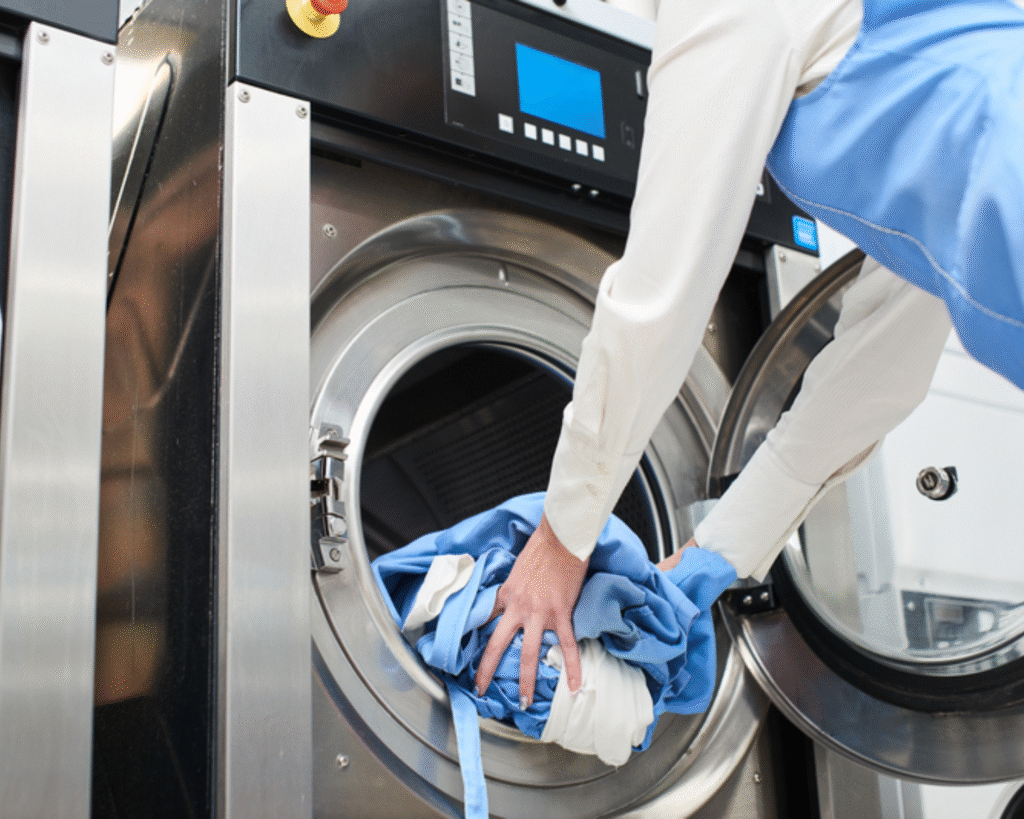
Machines pushed beyond proper calibration work harder than necessary. Over time, this extra strain accelerates wear on belts, bearings, and heating elements. Preventive calibration helps reduce breakdowns, minimizes repair calls, and extends the equipment’s life. Instead of reacting to emergencies, operators can focus on consistent performance—another way calibration supports more predictable expenses.
Eco-conscious operations are increasingly valuable to both tenants and customers. As part of a broader efficiency strategy, calibration helps cut waste, improve chemical use, and maintain safe energy levels. This proactive approach supports sustainability efforts and helps reduce operating costs in a way that contributes to long-term environmental responsibility.
The right upgrades are only as good as the service behind them. That’s why property managers and operators look for partners who provide not just equipment but also maintenance expertise and ongoing support. Southeastern Laundry has worked with facilities across the Southeast for decades, helping businesses manage expenses through dependable service, reliable equipment care, and support that keeps machines operating at peak efficiency.
Proper calibration ensures that washers and dryers use the right amount of water, energy, and chemicals. This minimizes waste, lowers utility bills, and prevents unnecessary wear on equipment—all of which help reduce costs over time.
Most experts recommend checking calibration every 3 to 6 months, depending on machine usage and workload. Regular adjustments help maintain peak efficiency and further reduce laundry costs.
Yes. Preventive maintenance—like routine calibration, inspections, and timely repairs—extends equipment life, cuts down on breakdowns, and improves overall performance, which directly helps reduce costs.
Water and energy usage are typically the two largest expenses. When machines are misaligned, they often overuse both. Regular calibration and efficiency checks can significantly reduce laundry operating costs by cutting these utilities.
Absolutely. In fact, partnering with a reliable service provider ensures your equipment stays in top shape, reducing downtime and expensive emergency repairs. As a result, it’s a smart way to reduce operating costs without compromising performance.