
Opening a laundromat can be a solid investment. It offers recurring revenue, minimal staffing needs, and steady demand. But for those just getting started, one overlooked detail can derail the entire operation. If you’re planning to start a laundromat business, avoiding these common mistakes can save you thousands—and set you up for long-term success.
Water, gas, and electrical needs are much higher in a laundromat than in typical commercial spaces. First-time owners often underestimate the infrastructure required to support multiple washers and dryers running simultaneously.
How to avoid it:
Before signing a lease or beginning a buildout, have a licensed technician assess the property’s utility capacity. Work with partners who understand commercial laundry demands and can help you plan appropriately for equipment load, drainage, and airflow.
Location matters—and not just for foot traffic. Some owners focus on visibility but overlook critical factors like parking, neighborhood demographics, or competition in the area.
How to avoid it:
When you start a laundromat business, research local population density, rental housing rates, and existing laundry facilities nearby. Look for areas with a high percentage of renters and limited in-unit laundry access. Easy parking, safety, and proximity to essentials like grocery stores or bus lines are also key.
Brand-new equipment doesn’t stay that way for long without care. Unfortunately, many first-time laundromat owners delay service calls or only respond to breakdowns—which ultimately leads to more downtime and higher repair bills.
How to avoid it:
Build a preventative maintenance schedule into your operating plan. Regularly cleaning lint filters, inspecting belts, and checking sensors can extend the life of your equipment. Partnering with a service-focused provider like Southeastern Laundry helps keep your machines running efficiently and reduces surprise outages.
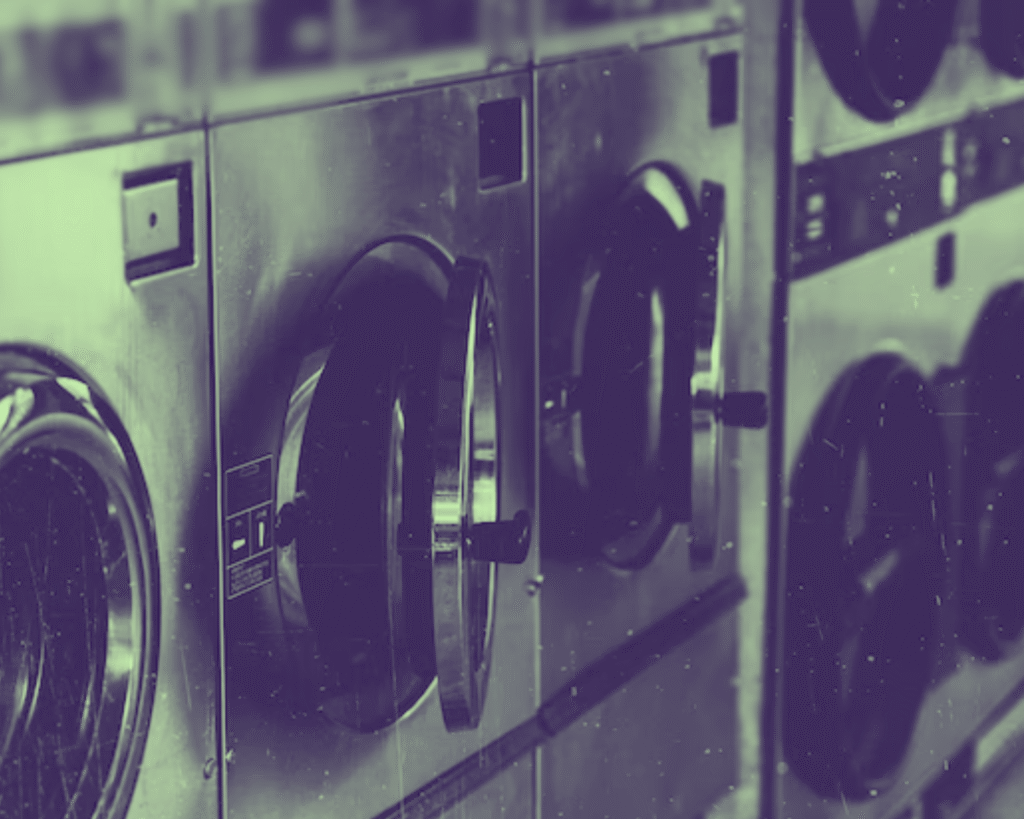
Laundromats that feel dim, cramped, or outdated often struggle with retention. Even with quality machines, customers won’t return if the environment is uncomfortable or inconvenient.
How to avoid it:
Invest in clean, well-lit spaces. Add seating, folding tables, vending machines, and clear signage. Offer Wi-Fi or install digital payment options to create a more modern experience. Small upgrades go a long way in keeping customers coming back.
Many new owners assume customers will show up once the doors open. However, in a competitive market, that’s rarely the case. Without a clear marketing plan, even well-run laundromats can go unnoticed.
How to avoid it:
Plan your outreach before opening day. Create a Google Business Profile, promote locally through flyers or community boards, and build a simple website. Highlight features like energy-efficient machines or 24/7 availability. Social media can also help you connect with the local community and showcase promotions.
When you start a laundromat business, it’s easy to focus on equipment and overlook the bigger picture. But success isn’t just about machines—it’s about location, service, customer experience, and consistency.
For this reason, working with experienced partners makes all the difference. In fact, Southeastern Laundry supports laundromat owners across the Southeast with reliable service, expert insights, and equipment planning that fits your business model.
Whether you’re opening your first location or expanding your operation, smart decisions early on can help you avoid costly mistakes later.
Startup costs can range from $200,000 to $500,000 or more, depending on location, size, and equipment choices. Leasing equipment instead of purchasing can help lower upfront expenses and preserve capital.
No. While experience helps, many successful owners begin without it. The key is to work with knowledgeable partners who can guide you through equipment selection, utility planning, and day-to-day operations.
Look for high-renter areas with limited in-unit laundry. Key factors include parking availability, foot traffic, neighborhood safety, and proximity to essentials like grocery stores or public transit.
You’ll typically need a mix of commercial washers and dryers in various load sizes. Focus on energy-efficient models that reduce water, gas, and electricity use—while still delivering performance customers expect.
Preventative maintenance is essential. Regularly service machines, clean vents, and inspect components. Partnering with a service-oriented provider like Southeastern Laundry ensures fewer breakdowns and smoother daily operations.
Yes. A solid business plan helps you secure funding, clarify your target market, and project cash flow. It should include your startup budget, marketing strategy, and operational plan.
Connect with Southeastern Laundry for guidance, service, and support that helps you launch—and grow—with confidence.